
Childhood is a collection of experiences that shape who we become. Participating in youth activities provides more than a way to pass time.
These experiences help children form friendships, learn skills, and create memories that last well into adulthood.

The Social Impact of Group Activities
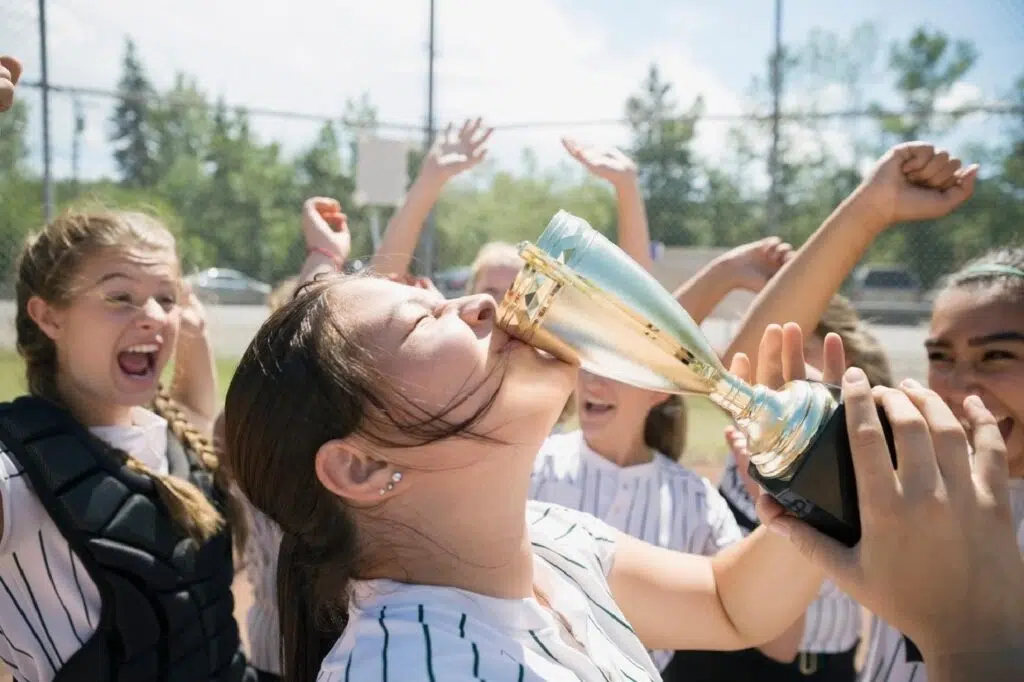
Team sports, clubs, and community programs give children the chance to work with others, learning cooperation, empathy, and leadership. Activities like soccer, dance, or choir teach the value of teamwork and foster meaningful connections.
Children who engage in group activities often develop stronger social skills, which carry over into school, work, and personal relationships later in life.
Sharing victories and setbacks with peers builds trust and lasting bonds.
Skill Development Through Play
Youth activities offer opportunities to develop both hard and soft skills. Sports improve physical fitness, coordination, and discipline.
Arts programs, including music, painting, or theatre, encourage creativity and problem-solving. Even seemingly simple activities, such as camping or scouting, teach planning, responsibility, and adaptability.
Skills gained in these environments help children succeed academically, socially, and emotionally while creating memories tied to accomplishment and personal growth.
The Role of Celebrations and Competitions
Special events, tournaments, and recitals add excitement and create lasting impressions. Performing in front of an audience or participating in a regional competition gives children a sense of pride and accomplishment.
Cheer competitions, for instance, involve practice, teamwork, and attention to detail, culminating in a memorable performance.
Uniforms, such as cheer competition uniforms, become symbols of these experiences, representing the effort, dedication, and camaraderie shared with teammates. Children often look back on these milestones as formative moments that define their early years.
Family Involvement and Shared Experiences
Parents and guardians play a key role in building memories alongside children. Attending games, recitals, or exhibitions encourages support and shared enjoyment.
Family involvement strengthens bonds and creates shared stories that remain vivid for years.
Photographing events, recording performances, and celebrating achievements contribute to a sense of family cohesion while emphasizing the importance of involvement and encouragement.
Long-Term Emotional Benefits
The benefits of youth activities extend beyond childhood. Positive early experiences contribute to higher self-esteem, resilience, and the ability to form healthy relationships in adulthood.
Children who participate in diverse activities often report a stronger sense of identity and purpose.
These experiences also provide a reservoir of joyful memories that can be revisited and cherished over a lifetime, enhancing emotional well-being and family connections.
Creating Meaningful Experiences
Fostering opportunities for youth participation requires consistent effort from parents, educators, and community leaders. Encouraging children to try new activities, supporting their interests, and celebrating accomplishments helps build confidence and memories that endure.
Prioritizing both structured programs and informal play allows children to explore, learn, and connect, providing a foundation for meaningful experiences that shape lifelong habits and relationships. Youth activities offer more than entertainment.
They cultivate skills, friendships, and family connections while creating joyful memories that last a lifetime.
Encouraging children to engage, participate, and explore ensures these formative experiences leave a positive and enduring impact. To learn more, look over the accompanying infographic below.
