
As a parent, your own physical and emotional well-being is intrinsically linked to that of your children’s levels of contentment and happiness.
In addition to hoping and wanting your child to live a healthy, happy, and fulfilling life, instilling a sense of curiosity and wonder will naturally also be a priority.
With this in mind, here is how to raise a naturally curious child who wants to learn.
Start with Focusing on Their Specific Interests
Even though your children may be attending the best possible school in the area, it still stands to reason that, regardless of the size of each class, each pupil is taught each of the main school subjects with the same degree of aplomb and focus on each.

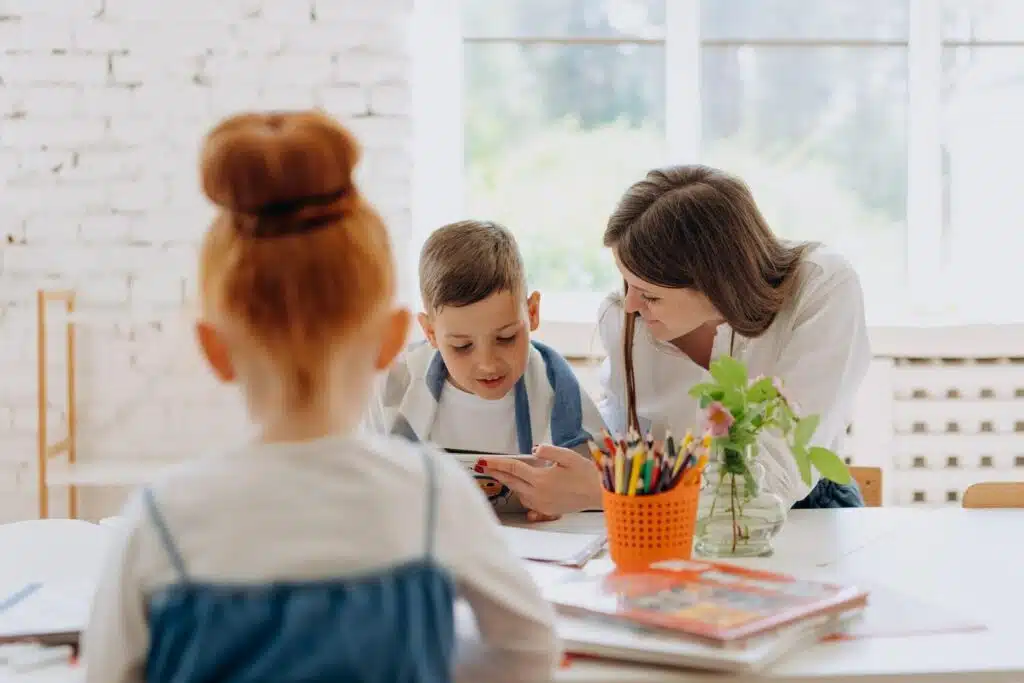
At home, ascertain as soon as possible your child’s interests and indeed, those subjects in which they take a greater interest in than others.
Encouraging them to explore further into these areas, for example, Medieval England or the Dinosaurs, to name two at random, will excite them far more than asking someone who hates math to learn more.
Encourage Reading
In a world full of computer games and social media, it is still a hard fact that reading real books still has such a valued and important place in modern society.
Reputable and established pre-schools, such as East Village Early Childhood Education, make the encouragement of reading an absolute priority.
From as early an age as possible, you should work to encourage your children to read and let them choose the types of books they feel most drawn to.
Aside from igniting a passion for learning about the world and the different periods in history, reading will also afford your child the following advantages:
- Improved writing skills
- A stronger memory
- Improved focus and concentration
- A sense of morality and ethics
- An ability to solve problems and look for clues
- Bonding time between yourself and your child
Make Learning Fun
Although this next suggestion may seem a little trite, the truth is that, especially for children, but for people of any age, it is far easier to learn if you are interested and engaged in the subject.
Not only will turning learning into a game mean your child will be more dedicated and focused on the matter at hand, but this will also encourage a certain amount of competitiveness, which will also be useful as they grow and learn into puberty and also adulthood.
Show Your Children How to be Organized
Finally, a simple yet wonderfully productive way of helping your children stay on top of their homework and be engaged in their current area of study is to help them become more organized.
Even if your child is in an early grade at school, showing them how to best keep their notebooks, schoolwork, and textbooks in good condition and how to organize their backpack so they know where everything is will prevent them from becoming frustrated and overwhelmed.