
Your lawn is a living organism and needs proper maintenance as it faces the changes in seasons.
Having a lush and healthy yard is a great feeling, but you have to remember that it requires hard work on your part.
To achieve optimal health for your lawn, you need to imply preventive maintenance and know some principles on growing your plants properly.
There are different ways on how to take care of your lawn for every season.
Here are some tips to help you balance your lawn’s health.
Determine What’s Making Your Lawn Unhealthy
Determining if your lawn is unhealthy can be challenging unless you know how to deal with the problems.
You should be able to spot weeds, thinning spots, blue tints, pests, compacted soil, disease, and dryness, which all require different techniques in treating the problem.
If you’re wondering how to get rid of weeds in your lawn, you could use herbicides, pull them manually, or smother them with mulch. Thinning spots in your lawn can be addressed by adding fertilizer or aerating the soil to allow better water absorption and root growth.
Lawn Maintenance During Winter
Contrary to appearance, your grass is not dead during the winter season.
Turning brown doesn’t mean it’s dead. Instead, it needs your attention to let it survive towards spring.
To take care of your lawn during winter, you need to:
- Cut the grass shorter: If you keep your grass tall during winter, burrowing creatures will take advantage of it and make it their den.
- Keep your yard clean: Leaving debris in your yard during the winter season will create piles of dead grass when spring arrives. The waste will affect nutrients and water penetration and create mold and fungus.
- Perform maintenance tasks on your equipment: You should take care of your lawnmowers, trimmers, weed whackers by cleaning them and applying necessary lubricants to prevent rust corrosion.
Bring Life Back to Your Lawn in the Spring
Springtime can be challenging when preparing your lawns for the upcoming summer.
This is especially true for new lawn installation because the soil needs to be properly prepared to ensure healthy grass growth. Additionally, new lawns require regular watering and attention to establish deep roots before the summer heat arrives.
Follow these steps for spring lawn care:
- Clean up winter mess: Even if you consistently clean your yard during winter, there may still be some leftover debris after the season. Make sure you clear it and dispose of it properly.
- Conduct a soil test: You must know your soil’s health after winter. Determine the soil’s pH levels so you know the proper nutrients to supply.
- Trim and mow: Trimming and mowing your grass initiates growth in your yard. You need to dethatch your lawn, as it can promote better health for your yard.
- Provide lawn fertilizer: Fertilizers have nutrients that your soil needs. It is ideal to give your lawn some fertilizer to rejuvenate it after the winter season.
The right gear makes all the difference when it comes to keeping turf looking immaculate throughout changing seasons. People who want to maintain their yard, but are too busy like to invest in robot lawn mower technology that does the tedious daily trimming automatically and quietly.
Modern devices adjust schedules based on current growth rates, preventing grass from becoming overgrown or stressed.
Delegating routine maintenance frees up weekend time while keeping the entire landscape looking consistently well-kept.
Lawn Protection for Summer
Your yard has plenty of benefits if it is healthy, especially during the summer.
Perform these steps to keep your grass from turning brown in the sun’s heat:
- Water properly: Your lawn needs a significant amount of water. You should water your whole lawn all at once to prevent dehydrating your grass and plants. Watering in the morning is essential as it allows the water to penetrate down to the roots, keeping the grass hydrated and cool when the sun comes up.
- Look for insects: Summertime is the season when insects go out and hunt for their food. You can use fertilizers with herbicides that are effective in your region.
Protect Your Lawn During the Fall Season
Autumn is another season where you will work hard because of dead thatch and leaves that pile up and block the sunlight.
Protect your lawn by following these tips:
- Remove thatch: Use a rake or power rake to stop thatch from preventing sunlight and moisture from reaching the soil.
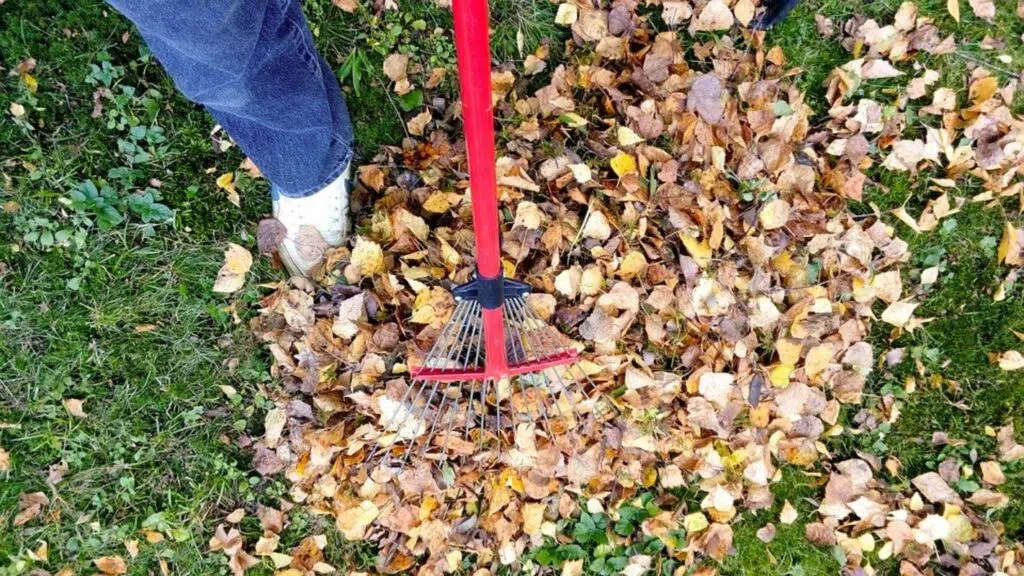
- Clear out leaves: Remove leaves immediately as they fall to keep your lawn breathing and growing.
- Spread seed: Seeding your yard is best during early autumn, and you should use your locally-formulated seeds in your region.
- Give fertilizers: Providing fertilizers for your lawn will keep it healthy and able to withstand the cold winter.
Keeping your lawn healthy through the changing weather is hard work, and you may seek consultation from professional gardeners such as lawn.com.au.
Maintaining your property health requires a better understanding of maintenance methods, and it is rewarding to see how beautiful your yard can be when you take care of it.