
For the average gardener, the season is just too short. When the garden seems to be at its best, the weather fluctuates, and the frost takes it all away.
But some methods can stretch the life of your garden and grow food or flowers beyond the usual spring and summer seasons.
By planting special seeds that do well with cooler weather or strange growing conditions, harvesting sooner into fall or beginning sooner in spring is possible.
We will find out how using some lesser varieties and some planning and tweaking can work for you in having new growth when most gardens are winding down or just beginning.

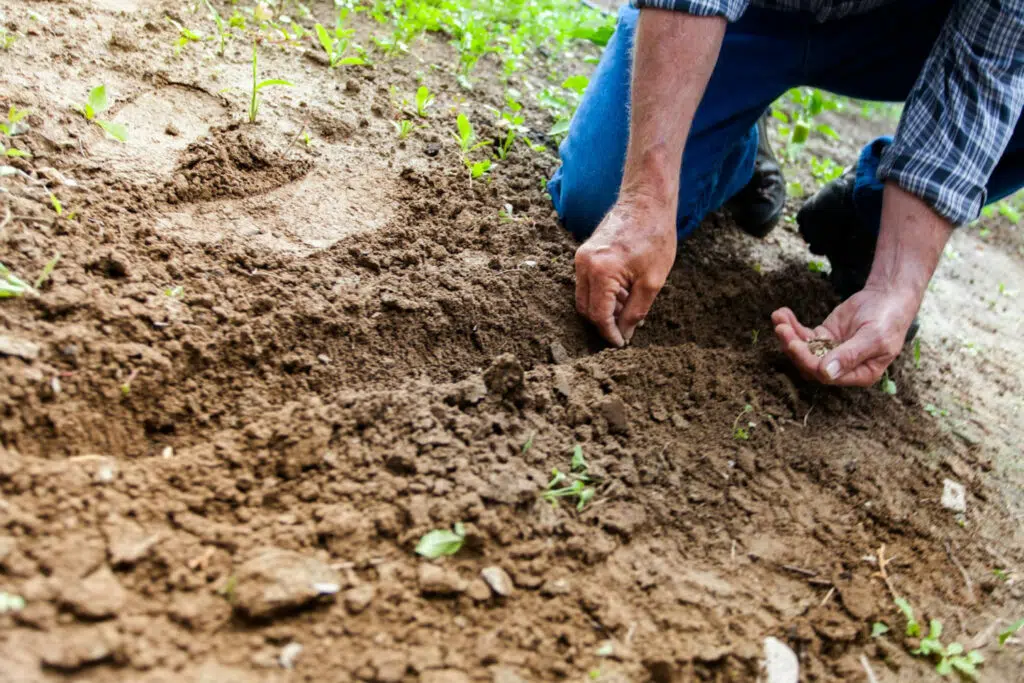
Role of using some lesser varieties and some planning and tweaking
1. Choosing Rare Seeds for Early Spring Growth
Stretching your growing season begins with understanding what seeds perform well in cold temperatures.
Many heritage and specialty seed varieties from https://natureandnurtureseeds.com/collections/rare-seeds have a greater tolerance for frost and cold soil temperatures than your typical garden plant. These seeds often come from regions with harsh or variable climates, and the plants have adapted to make the most of shorter growing seasons.
Choosing these types enables gardeners to plant earlier in the season, even when daytime temperatures are variable and nights are still cold.
Some of these unusual plants germinate rapidly despite cold soil, while others are perennials that return year after year with minimal effort.
When planting seeds early, it’s also vital to consider your soil’s readiness and moisture levels. Cold-tolerant seeds also prefer good drainage and light to moderate water, so knowledge of your local conditions can guide choices.
Row covers, cold frames, or low hoop tunnels can also provide incidental protection that benefits these plants in getting established.
When chosen with an eye to their natural hardiness, unusual seeds allow for earlier planting and more potent beginnings to your garden each year.
2. Taking Advantage of Slow-Maturing Varieties for Late Harvests
Because those odd seeds will allow you to start planting earlier, so they offer opportunities to harvest later than is typically possible. A number of the lesser-known vegetable and herb varieties grow slowly by their very nature so that you can have a constant harvest late into fall, even early winter.
These plants have robust root systems and resilient leaves that can withstand cooler temperatures without wilting or dying immediately.
Certain heirloom types of carrots, beets, or hardy greens have been cultivated in cooler climates for centuries and are well adapted to use in gardens that want extended productivity.
The key is to understand each plant’s maturity date and align it with your region’s frosts.
Seeding them at the correct timing—most often mid to late summer—can result in their establishment before the temperature drops. When other harvests begin to fade, these oddball varieties are at their best, adding color and flavor to the garden when everything else looks barren.
By building for long-season producers, you can move your garden from one stage to the next without a drop in production.
3. Creating Microclimates to Support Rare Seed Growth
Unusual seeds may have special growth requirements that do not entirely match your weather, but the challenge can be converted into a benefit by creating microclimates.
A microclimate is a miniature region of your garden in which conditions are subtly different from those in the area around it.
They can be warmer, sunnier, more protected, or differently sunlit. By locating and using these spaces with intention, gardeners can create favorable conditions for plants that otherwise would not survive.
A wall facing south, for instance, may hold heat and bounce the sun’s light, allowing sun-loving odd seeds to germinate in early spring or late autumn. Raised beds will heat more rapidly than soil, giving warm-rooted seeds an earlier head start.
Concurrently, areas receiving partial shade can protect against bolt-prone greens that will bolt in full sun.
Even slight changes like these can be a massive difference to plants otherwise considered finicky or cold-sensitive.
By paying attention to the subtle variations in your garden layout, you can grow plants from climates far beyond your own, pushing the boundaries of what is possible in a given season.
4. Starting Rare Seeds Indoors for a Head Start
Seeding indoors is a common form of season extension, but it’s especially valuable in the case of uncommon seeds.
The seeds are then improved by benefitting from controlled indoor conditions at the early development phase, in which you more consistently have management of light, temperature, and moisture than at the whims of the outdoors.
Some rarer varieties have specific germination needs—like a period of cold stratification or hours of daylight exposure—that are simpler to manage indoors.
Giving seeds a head start indoors guarantees they are already healthy and robust when planted outside in your garden.
This gives them weeks of additional growing time and gives rare plants a chance to get healthier and more productive than they might have been. You can also plant several cycles of some crops by using the same indoor arrangement, planting fresh seeds as soon as one crop goes outdoors.
A plain windowsill, grow light, or unheated greenhouse can all be used for this purpose, mainly when space is at a premium. As your experience with unusual seeds grows, so does your skill at caring for them through each stage of the season.
Prolonging the season with fresh seed is not just a case of maximizing gains or accelerating timetables—it’s about planting an ever greater sense of closeness to the earth’s possibility.
By nurturing more unknown, sensitive plants, you think about your garden not so much about a static calendar date but as something fluid and adaptive that responds to your decisions and attention; each new variety is a new beat, vision, and payoff.
Unusual seeds bring you into membership in customs from distant lands and cultures, connecting you to survival and coping traditions.
As your garden grows, it more accurately reflects the ups and downs of the season, and your connection to the growth cycle is enriched.