
A well-designed and adequately sized driveway extension offers numerous benefits beyond simply accommodating more cars.

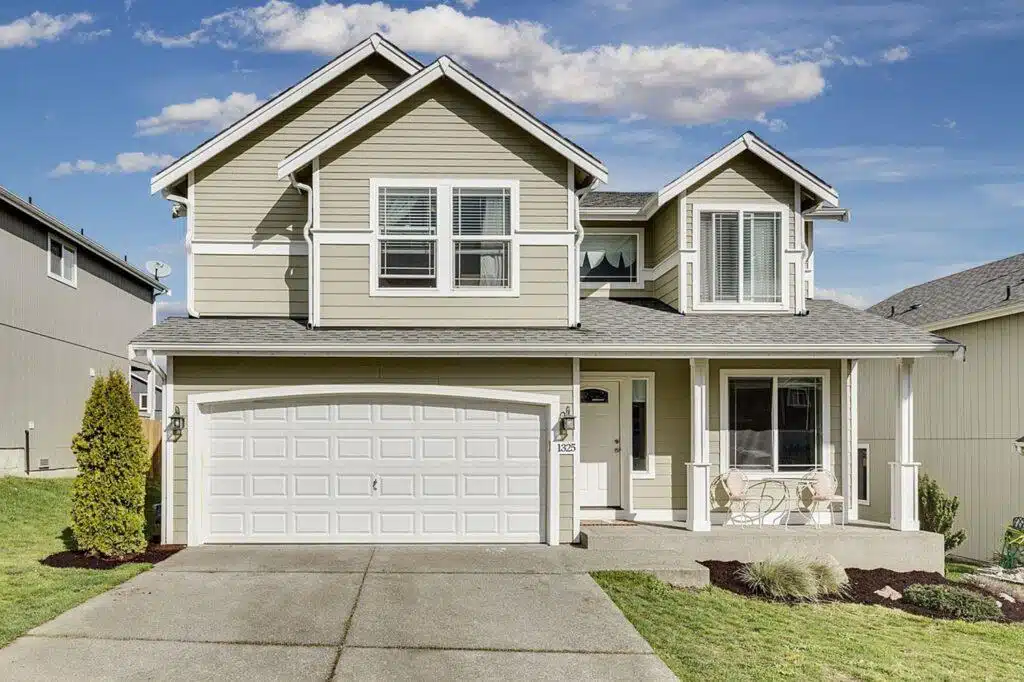
It provides convenience, improves accessibility, and increases the value of your property.
This article explores the step-by-step process of extending your driveway to meet your growing parking needs.
The Complete Process of Extending Your Driveway

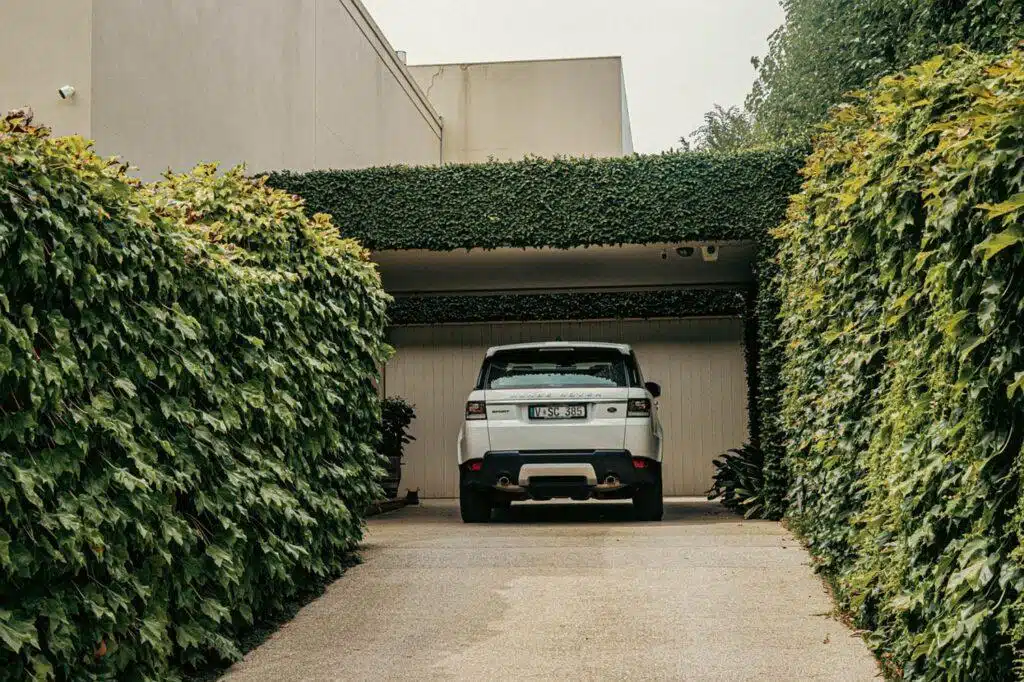
Assessing Your Parking Needs
Assess the current space and determine the additional parking space required to plan the dimensions of the extended driveway and ensure it meets your parking needs.
To calculate how much parking space you need, consider the number and size of vehicles you own. A vehicle typically requires a parking area of approximately 8.5 to 9 feet wide and 18 feet long.
Allow additional space for maneuvering and opening doors comfortably. For example, if you have two vehicles, you would need a total parking space of 20 feet by 40 feet.
Understanding Local Regulations and Permits
Research zoning codes, building regulations, setback requirements, and any specific guidelines related to driveway expansions in your area. Compliance with these regulations ensures a smooth and hassle-free process, avoiding potential legal issues.
Choosing the Extension Material
One of the crucial decisions when extending your driveway is selecting the right material. Concrete is a popular choice due to its durability, longevity, and versatility.
If you’re wondering how much concrete do I need, calculate the volume based on the dimensions and thickness of the driveway slab. Typically, driveways have a recommended thickness of 4 to 6 inches. Multiply the driveway extension’s length, width, and thickness to find the required concrete volume.
Paving and Surface Options
Once you have chosen the material for your driveway extension, it’s time to consider the specific paving and surface options. For concrete driveways, you can choose from various finishes, such as brushed, stamped, or exposed aggregate, to achieve the desired look.
Excavation and Site Preparation
Before laying the foundation, the designated area needs to be excavated to ensure a level surface for the new driveway. This involves removing any existing vegetation, rocks, or debris. Additionally, it may be necessary to address any grading or slope issues to create a stable base for the extension.
Drainage Considerations
Proper drainage is essential to prevent water accumulation and potential damage to your driveway extension. During the planning and design phase, consider the natural slope of your property and the direction of water flow. Incorporate effective drainage solutions, such as installing channels or French drains. They help divert water away from the driveway and prevent erosion or pooling.
Marking and Striping the Parking Space
One of the crucial steps in extending your driveway is marking the boundary to ensure a clear and defined area for the extension. Accurate marking helps guide the construction process.
Using stakes and string or marking paint, mark the outer edges of the intended extension. Double-check the measurements and alignment to ensure they match your design plans.
Adding a Subbase and Compaction
To create a stable and durable foundation for your driveway extension, it’s necessary to add a subbase layer and compact it properly. The sub-base acts as a support layer, distributing the weight of vehicles and preventing the concrete from settling or shifting.
After excavating the area for the extension, spread a layer of mixed coarse and fine aggregate evenly over the excavated space. Use a compactor or plate tamper to compact the subbase, ensuring it is firm and level.
Pouring the Concrete
Begin by constructing temporary forms along the edges of the extension.
Prepare the concrete mixture according to the manufacturer’s instructions. Pour the concrete into the forms, ensuring an even distribution across the extension area.
Use a screed board to level the surface of the concrete. Move the screed back and forth in a sawing motion, resting it on the top edges of the forms. This process helps remove excess concrete and achieve a consistent thickness.
Sealing and Maintenance Tips
Consider applying a concrete sealer to protect and prolong the life of your driveway. Sealing the surface further protects against stains, moisture penetration, and wear and tear.
Follow the manufacturer’s instructions for applying the concrete sealer. Use a roller or sprayer to distribute the sealer evenly, ensuring full coverage. Allow the sealer to dry.
To keep your driveway extension in good condition, implement regular maintenance practices.
Sweep or rinse off debris regularly to prevent it from accumulating on the surface. Remove any weeds or vegetation that may grow between cracks or along the edges.
Avoid using harsh chemicals or deicing agents that damage the concrete surface. Instead, use non-corrosive deicers specifically designed for concrete.
Landscaping and Aesthetics
Thoughtful landscaping choices blend the extension with your existing landscape, creating an inviting and visually pleasing environment.
- Plantings: Choose suitable plants, shrubs, or trees that complement the surrounding environment and provide visual interest. Select low-maintenance options that thrive in your climate and require minimal care.
- Edging: Install decorative edging along the driveway extension to create clear boundaries and prevent soil erosion. Options such as brick, stone, or concrete edging add a touch of elegance and definition to the landscape.
- Pathway: Create a pathway or walkway adjacent to the driveway extension for enhanced accessibility and aesthetics. Opt for decorative concrete or pavers to complement the driveway surface.
Key Takeaways
Widening your driveway provides a practical solution to homeowners’ common parking issues. With a wider driveway, you no longer have to park on the street or spend valuable time maneuvering your vehicle within a cramped driveway.
Follow these steps to extend your driveway:
- Assess your parking needs and determine the required space for your vehicles.
- Understand local regulations and permits related to driveway extensions.
- Plan and design your driveway extension, considering dimensions and layout.
- Prepare the site through excavation and necessary site preparation.
- Choose the right materials, such as concrete, for your driveway extension.
- Explore paving and surface options to achieve the desired look.
- Ensure proper drainage to prevent water accumulation and potential damage.
- Mark the boundary of the extended driveway.
- Add a subbase layer and compact it effectively to establish a stable foundation.
- Pour the concrete evenly across the extension area, employing proper techniques.
- Implement sealing and maintenance practices to safeguard and prolong your driveway’s lifespan.
- Enhance the aesthetics of your driveway extension by incorporating lush greenery and designing a pathway.