
Selecting the right sails for your yacht is one of the most important decisions you’ll make as a sailor.
The sails you choose not only influence the overall performance of your yacht but also affect how comfortable and safe your sailing experience will be.
Whether you’re navigating through calm waters or preparing for a competitive race, having the right sails can make all the difference.

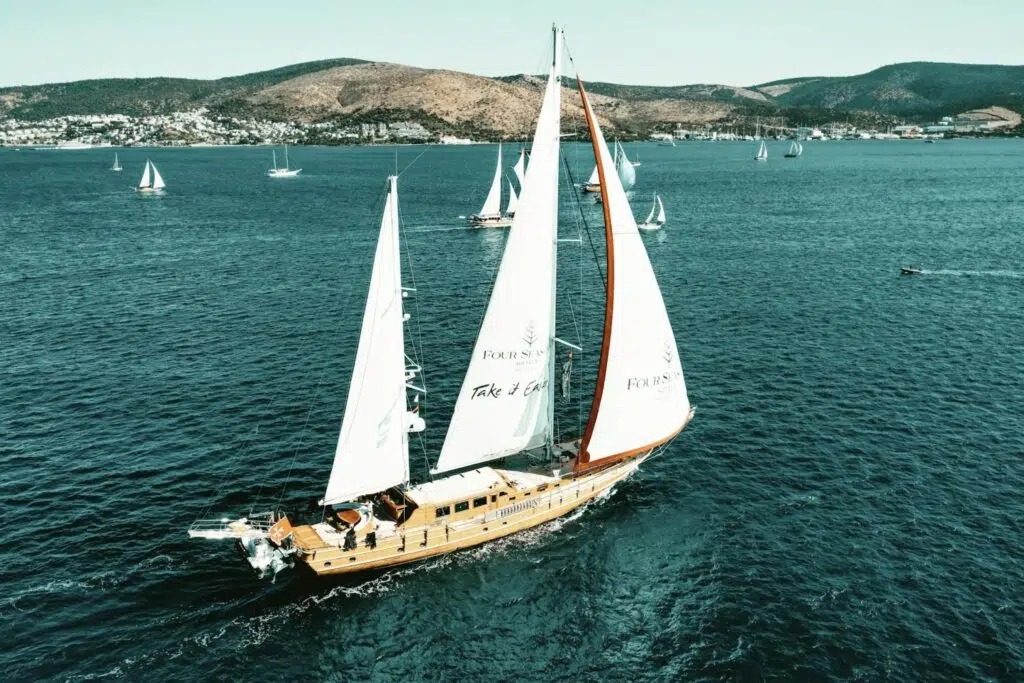
Here are key considerations that’ll help you choose the best sails for your yacht.
Types of Sails
The first step in choosing the right sails is understanding the various types of sails available and their uses. If you’re wondering what the two sails on a catamaran are, here’s an insight:
- Mainsail: The primary sail on most yachts, attached to the mast and boom. It is the largest sail and provides most of the propulsion.
- Jib: A smaller sail located in front of the mainsail. It helps balance the yacht and adds extra speed.
However, some catamarans also use other sails like a spinnaker or genoa for downwind sailing in lighter winds.
Type of Material
When it comes to choosing sails, materials matter as well. You can get reliable options from Far East Sails including:
- Dacron: A durable and cost-effective option, commonly used for cruising yachts. It’s resistant to UV damage and wear.
- Laminated fabrics: These are lighter and stronger materials used for high-performance sailing, such as Mylar and Kevlar.
- Carbon fiber: Used for racing yachts, carbon fiber sails are lightweight, strong, and provide excellent performance at high speeds.
Consider Size and Shape
The size and shape of your sails are essential in determining the overall performance and handling of your yacht. When selecting your sails, consider:
- Sail area: For cruising yachts, a larger sail area can provide more power, but you need to balance this with ease of handling. Racing yachts, however, often have larger sail areas for speed.
- Sail shape: The shape of the sail affects how well it captures wind and how it influences your yacht’s balance. A fuller sail shape provides more power but can be less efficient in heavy winds, while a flatter shape is better for control in high winds.
Environmental and Sailing Conditions
Choosing the right sails for your yacht also depends on the environmental and sailing conditions you expect to encounter.
For light winds, larger sails like genoas or spinnakers are ideal for maximizing speed. In contrast, in heavy winds, smaller, stronger sails will help maintain control and safety.
UV rays and high humidity can degrade sail materials over time. Dacron sails perform well in these conditions, but for longer trips or in harsh environments, high-tech materials such as carbon fiber might be a better option.
If you’re cruising in tropical waters or regions with constant winds, you may need sails that are more resistant to sun damage and saltwater corrosion.
Budget Maintenance
When selecting sails, budget plays a significant role in your decision-making process.
While high-performance sails may come with a higher price tag, they can offer better durability and efficiency, which may be worth the investment in the long run.
Consider the initial cost of the sails as well as the ongoing maintenance needs when making your decision.
Endnote
Choosing the right sails for your yacht should consider the above factors. If you want to get the best experience on the water, make sure you balance performance, budget, and maintenance.
Explore resources like fareastsails.com for further insights and options.