

A home with children can never be complete without cabinets. They are every parent’s home essential. Drawers, cabinets, and other storage areas help you keep your home from being a mess.
Cabinets are essential, but without precautionary measures, cabinets can be dangerous to our precious babies. Once they get to it, babies will have access to hazardous objects hidden inside the cabinets. Your child can also slam the cabinet doors and shut their little fingers, which might result in severe injuries.
As a parent, you would be worried. However, there are measures you can take to prevent these scenarios from happening. To avoid any unwanted accidents, we’ve listed below the best solutions to baby-proof your cabinet doors.
Lock those cabinets
You can easily purchase cabinets ready to assemble and add locks from your local hardware store to secure them. It’s best to prohibit your toddler from reaching items inside your high-quality and durable cabinets.
You can choose from this commonly used and tested child locks:
- Magnetic Locks
Magnetic locks are the best way to secure your drawers and cabinets. You can get ones that don’t require drilling to ensure that your cabinets or drawers won’t be damaged.
This type of lock works by attaching a latch from the inside of the cabinet. This will hold it shut until a magnetic key on the outside disengages the lock. To open your cabinets, you can press the key with one hand and pull with your other hand.
If you often open and close a particular cabinet, you can flip a switch inside to disable the locking mechanism.
This type of lock is secure enough that your baby won’t get their tiny fingers from getting pinched at all. Just make sure that the key is out of your children’s reach.
- Adhesive Mount
Another solution that doesn’t require any tool is an adhesive mount cabinet lock. This type of clasp is easy to install and can be effortlessly removed if you no longer need them.
Adhesive mounts are also cheap. It’s best to opt for brands that have good reviews since many brands don’t stick well. To ensure that your adhesive will grip on the cabinets, clean the surface area first, either with water or rubbing alcohol.
Adhesive locks require two anchor points on the surface of your cabinets. A strap connects both anchors and prevents the cabinetry from being pulled open by your toddler.
- Pull Cord Locks
This kind of cabinet lock only works for cabinets with two round knobs placed side-by-side.
To use it, place the cord around the two knobs then press the button up or down to tighten or release the lock. This type of lock won’t loosen, so your toddler won’t be able to open your cabinets.
Just be extra careful with loose or long strings because they pose a potential choking hazard. Find a high-quality cord lock that doesn’t leave long strands to eradicate your worries.
Add Foam Bumpers
Children have it in their nature to slam cabinet doors. This would often result in injured fingers and a trip to the ER. You can prevent accidents by adding or creating a foam bumper on your cabinet’s doors.
You can purchase foam bumpers made from cork or foam pads online. If you’re more into DIYs, you can make your own by cutting and stilling one side of a hollow pool noodle. Once finished, the slit can be wrapped around the cabinet door.
Adding a foam bumper also protects your cabinets from wear and tear. It can extend the life of your cabinetry, while at the same time, withstand a child’s slamming.
Add Cover To The Knobs

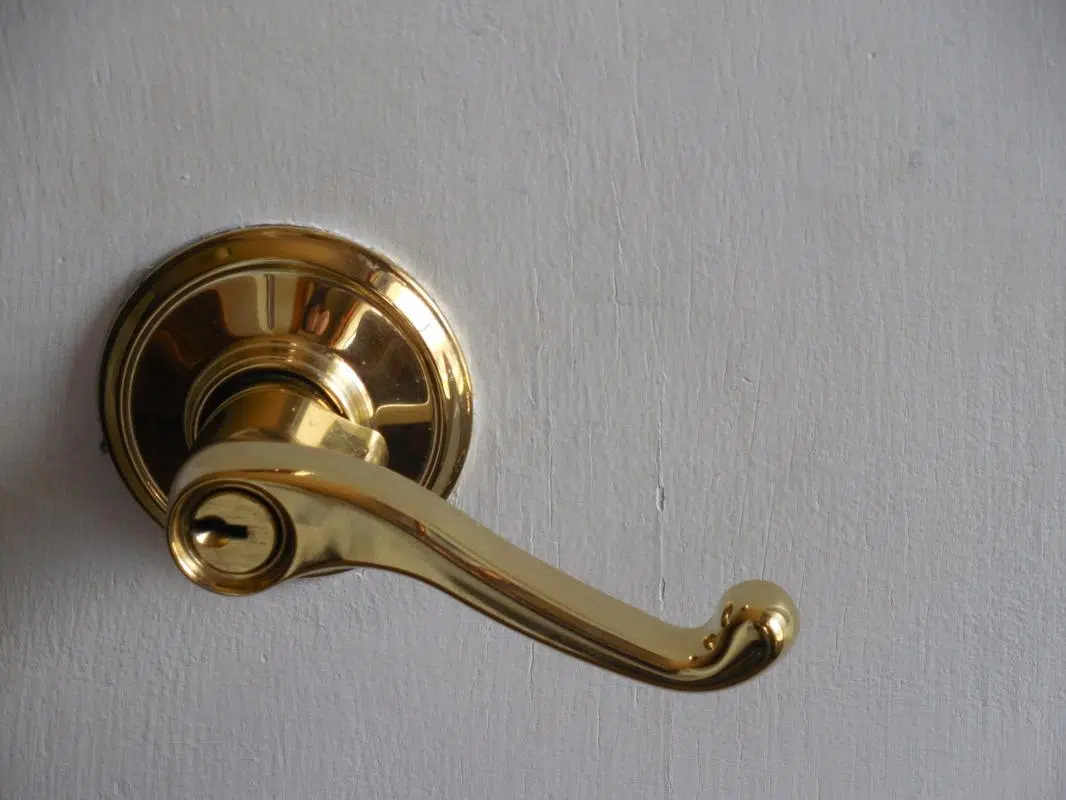
Knobs can bruise or give nasty bumps to your child. To prevent this, covering up your cabinet knobs with something soft is your best option. A tennis ball split on one end or soft fabrics secured with a rubber band will cover it just fine.
If you want to avoid this issue entirely, you can get cabinets that come with invisible hardware. Push latches and integrated handles are the most common ones that exist in the market.
A push latch is a mechanical device that needs to be pressed so that the cabinet door will spring open. Cabinets with integrated handles, on the other hand, have an inwardly beveled edge that lets your fingers slip around on one side to pull the door open.
Either way, this will ensure that your kid won’t have any unwanted bumps on the forehead when hanging out near the kitchen cabinets or bathroom drawers.
Anchor your dressers
Toddlers often climb over dressers, and this can result in tip-over accidents. Anchoring your dressers to the wall will prevent it from falling over your child.
You can anchor your dresser by screwing a bracket on the back and another one into the wall. A small cable will connect the two brackets, preventing the dresser from tipping over. You can also choose to anchor other pieces of furniture or appliances in the same way.
You should look for anchor kits with braided steel cables or nylon webbing. It’s recommended to use a wood screw that’s at least two inches long. These are the most durable options and will provide you with extra security.
Takeaway
Child-proofing is one way to keep your house safe. However, nothing beats a watchful eye. Parents should always supervise children in places filled with potential dangers. You’ll never know what kind of trouble a toddler can get into, so it’s best to keep a keen eye on them.