
Changing a diaper is sometimes harder than playing online slots real money Canada.
Even if it’s not your favorite aspect of being a parent, you will still have to do it. It’s one of the essential components of baby care.
Changing a diaper as soon as it becomes wet or soiled is also beneficial for your baby since it helps to reduce diaper rash and discomfort.
The following is a comprehensive guide for first-time parents that covers all aspects of changing a baby’s diaper.
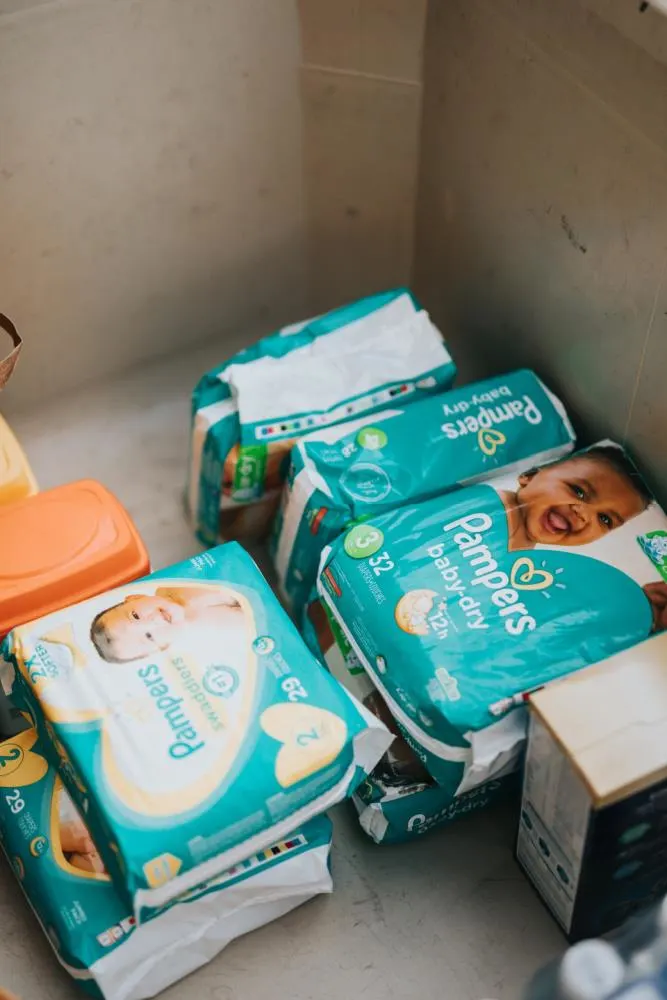
How to Change a Diaper
The fundamental steps in changing diapers don’t change regardless of whether you use regular or reusable diapers.
Put Your Baby Down on a Clean, Comfortable, and Safe Surface
Change tables, dressers with change pads, and cribs/beds (ideally covered with towels/waterproof pads) are all acceptable options.
Use a protective cloth to cover the surface if you aren’t at your own changing table to prevent any accidental spills.
Throughout the process of changing your baby, make sure you place your hand on your baby. This prevents them from rolling over and falling.
Remove the Diaper, and Wipe Your Baby Clean
After removing the diaper and assessing the situation, proceed with the fundamental instructions.
The same instructions apply to both boys and girls.
Wet Diaper: Make sure that the clean side of the diaper is now on the baby’s bottom. You can do this by tucking the soiled diaper beneath your baby and wiping it down.
Poop Diaper: The diaper should be used to wipe as much as possible, then rolled up and tucked under the baby’s body. You should lift the baby’s legs so that you may thoroughly clean your baby well. After that, elevate the baby’s legs and properly wipe their bottom.
Afterward, remove the dirty diaper and replace it with a new one before letting go of the baby’s legs.
After drying your baby with a towel, apply any diaper rash cream, and then the clean diaper.
Unless you’re using special baby diapers, you should fold the diaper down to expose the region to air and prevent it from becoming moist.
Make sure it’s securely fastened but not so firmly that it causes any discomfort.
Dispose the Diaper
Diapers may be rolled into a ball and fastened using the tab fasteners. Then toss it in the garbage, whether it be a plastic bag or a diaper pail.
Always remember to have a supply of plastic bags with you when you leave the house.
After inserting the soiled diaper inside the bag and closing the bag with a knot, you can dispose of it in the trash.
Before it’s time to do the wash, store the cloth diapers in a container with a lid or a plastic bag.
Dress Your Baby
Now that you’ve finished, you may go ahead and change the baby’s clothing and bedding as often as necessary.
Wash Your Hands
Don’t forget to wash your hands after changing your baby. You can also use hand sanitizer if you can’t get soap and water.

How to Spot a Wet Diaper
While a newborn’s grunts might serve as an indicator, you’re more likely to get a scent of poop immediately after your baby is done.
When using a disposable diaper, you will know your baby has peed because it will have a stripe on it that reacts to liquid and changes color.
When using a cloth diaper, you will know your baby has peed because it will be damp to the touch. If you’re still unsure, give the diaper a little tug or peek inside to see.
Changing a baby’s diaper does not require rousing him from his nap.
As long as your baby isn’t too wet or irritated, you don’t have to change it at night, especially if it’s going to disrupt their sleep.
Conclusion
Baby wipes are a popular choice for many individuals when it comes to cleaning the diaper region. However, the skin of a baby is extremely delicate.
You can prevent a baby’s skin from being irritated by washing their skin with warm water and a soft towel.
You can also purchase wipes that have already been wet with water before use.
Traditional baby wipes, particularly those that include alcohol, tend to irritate babies’ skin (2 months or younger).
Your changing table must have an inwardly-curving surface (with the sides higher than the middle).
In the case of a fall, this can help prevent your baby from sliding off the table and injuring themselves.