
With the sunny days of summer winding down and the days getting shorter, it’s easy to tell that we’ve hit the cool days of autumn.
School’s back in session, and before long, Halloween will be just the first of several holidays on the calendar.
For some people, these are all things to celebrate. Others, though, may be filled with a sense of dread that they can’t shake until spring.
This is how people with Seasonal Affective Disorder (SAD) experience fall. While people with Major Depressive Disorder can experience symptoms year-round, Seasonal Affective Disorder centers around the months of fall and winter.
Some people have both Major Depressive Disorder and Seasonal Affective Disorder, with their usual depressive symptoms worsening during the fall and winter months.
Less frequently, Seasonal Affective Disorder impacts people during the spring and summer months.
If you or someone you love suffers from Seasonal Affective Disorder, there is hope.
We’ll take a look at Seasonal Affective Disorder, its symptoms, and some of the ways it can be managed.

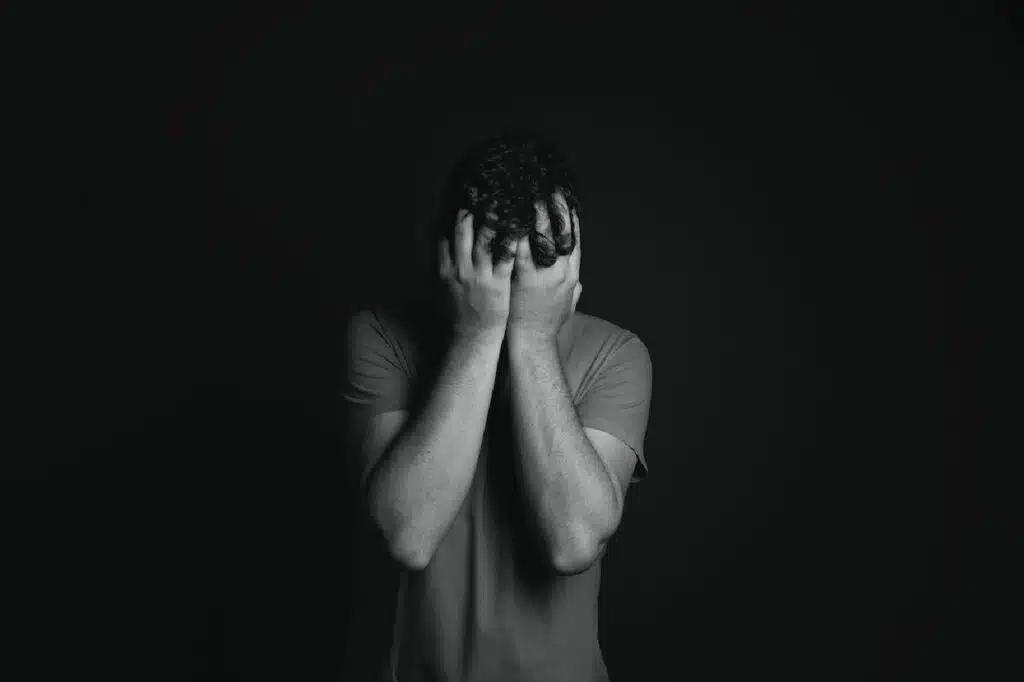
Before we get started, though, if you’re feeling suicidal or like harming yourself, seek medical attention immediately. If you need urgent care, Philadelphia has the resources to help.
What You Need to Know About Seasonal Affective Disorder
The first mistake many people make is to believe that Seasonal Affective Disorder is just feeling down or having “the blues.”
While everyone has bad days or tough periods in their life, those are often caused by a specific event (or events) that are temporary in nature.
A bad review at work, a breakup, or a health scare can all lead to depressive symptoms. If you need help with processing these kinds of events, urgent care services are available.
Seasonal Affective Disorder, however, doesn’t have clear-cut causes. It’s believed that shorter days and less sunlight are linked to changes in the brain, producing depressive effects.
Another possibility is that the body manufactures more melatonin (a sleep-related hormone) during the winter months.
This could lead to a greater degree of overall fatigue which can contribute to the problem. There is a lot that medical science doesn’t yet understand about Seasonal Affective Disorder.
What Are the Symptoms of Seasonal Affective Disorder?
The symptoms of Seasonal Affective Disorder tend to consistently worsen and improve around the same times each year.
Since many of the symptoms can resemble other mental health issues, you may want to seek urgent care if in doubt.
Some of the most common symptoms include:
- Loss of interest in hobbies or other previously enjoyable activities
- Fatigue and unshakeable tiredness
- Brain fog, or trouble focusing or thinking clearly
- Decreased interest in sex
- Daytime sleepiness or feeling like you need more sleep than usual
- Feeling withdrawn
- Increased anxiety, sensitivity, and irritability
- Feeling like there’s no hope and guilt that you can’t function normally
- Weight gain and increased appetite for sugar and carbs
Diagnosing Seasonal Affective Disorder
Only a licensed health professional can accurately diagnose Seasonal Affective Disorder. It can share symptoms with other kinds of disorders, so experts such as those in urgent care can provide the guidance you need.
Diagnosing Seasonal Affective Disorder involves:
- Physical Exam
A physical exam and in-depth questions about your overall health can help narrow down the problem. They could identify physical triggers for depression that would otherwise get missed
- Lab Tests
Sending a blood sample to the lab may help identify other physical causes that could be resulting in depressive symptoms
- Psychological Evaluation
You’ll be asked about how you’re experiencing your symptoms, and what kinds of thoughts, feelings, and behaviors you’ve been exhibiting
Nobody likes having their bodies and thoughts poked at, but it’s worth it to get to the bottom of the problem and get help.


Treatments for Seasonal Affective Disorder
Clinical treatments for Seasonal Affective Disorder may include:
- Sunlight or Light Therapy
Increasing the amount of sunlight or other full-spectrum light may help relieve some of the symptoms
- Psychotherapy
Therapy could help you improve how you view yourself and help you manage your symptoms
- Antidepressants
Prescription antidepressants may help you function better and feel more like yourself when experiencing Seasonal Affective Disorder
There’s Good News
While there are no cures for Seasonal Affective Disorder or Major Depressive Disorder, there are ways to manage your symptoms.
If you believe you’re suffering from either one and are considering harming yourself, contact urgent care right away.
If you have a loved one who is suffering from Seasonal Affective Disorder, the most important thing you can do is to not minimize it. It isn’t something that you can “snap out” of or “cheer up” from.
Trying to do so will probably just make your loved one feel worse about themselves for not being able to do so.
Be patient and supportive, and try to help them get the help they need.