
Running a successful restaurant isn’t just about great food—it’s about maintaining strict hygiene standards.
Health codes are in place to protect customers and ensure food safety. For restaurant owners, compliance isn’t optional; it’s a necessity that affects reputation and operations.
The right supplies play a crucial role in meeting these standards. From storing ingredients safely to cleaning workspaces effectively, having proper tools ensures you stay on the right side of regulations.
A reliable restaurant supply store can provide everything needed, from high-quality equipment to cleaning essentials.
This article will explore how choosing the right restaurant supplies not only helps meet health code requirements but also simplifies operations.
Whether you’re looking for storage solutions, cleaning supplies, or advanced kitchen equipment, understanding their importance can transform your business.

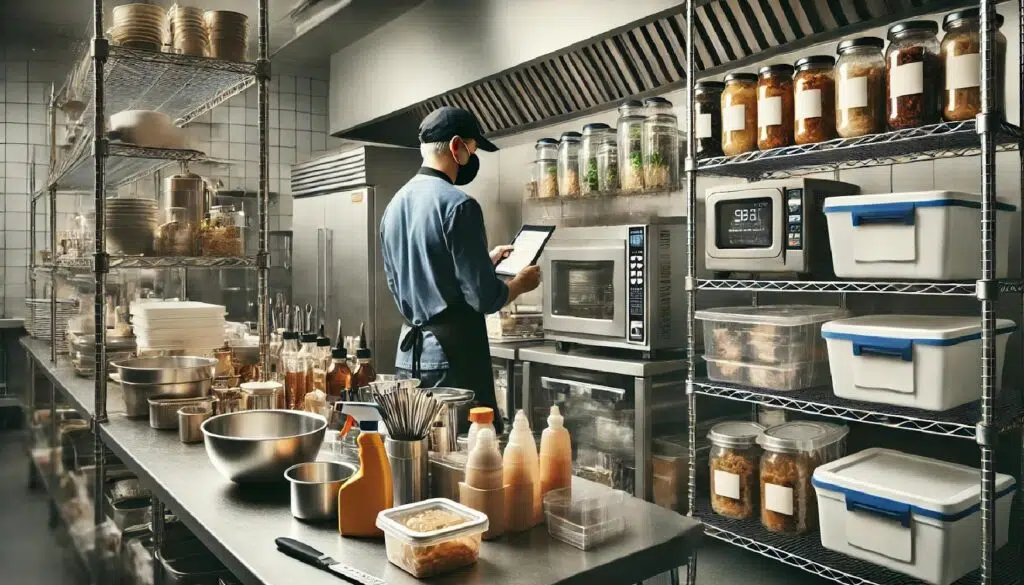
Read on to learn how to safeguard your restaurant while maintaining a clean and compliant environment.
Key Restaurant Supplies That Impact Health Compliance
Health compliance in a restaurant starts with having the right tools for food safety. Essential supplies like food thermometers, gloves, and cutting boards ensure food is prepared and handled safely.
Thermometers help maintain proper cooking and storage temperatures, reducing the risk of bacterial growth. Gloves and cutting boards prevent cross-contamination during food prep.
Using color-coded cutting boards, for example, ensures raw and cooked foods are kept separate, which is crucial for meeting health code standards.
Proper food storage and preparation equipment are equally important. Commercial-grade refrigerators and freezers from a trusted restaurant supply store help maintain optimal temperatures for perishable items.
Airtight containers and durable shelving systems keep ingredients fresh and organized while reducing contamination risks. Even smaller items like food labels play a critical role by ensuring proper date tracking and rotation of stock.
These supplies not only support compliance but also enhance operational efficiency, giving restaurants a competitive edge in food safety.
The Role of Proper Cleaning and Sanitization Supplies
Maintaining cleanliness in a restaurant is non-negotiable when it comes to health code compliance. Proper cleaning supplies, such as high-grade detergents, disinfectants, and sanitizers, are essential for ensuring that all surfaces remain free of harmful bacteria and viruses.
From countertops to cooking utensils, the right products help eliminate potential contaminants. Tools like microfiber cloths, mops, and scrubbing pads are also critical for thorough cleaning.
These supplies ensure that visible dirt and unseen pathogens are effectively removed, reducing the risk of health violations.
Equally important is the sanitization process, which goes beyond basic cleaning. Commercial dishwashers, sanitizing buckets, and chemical test strips are crucial in maintaining hygiene in kitchen operations. For example, test strips ensure that sanitizing solutions are at the correct strength and meet health code requirements.
Investing in high-quality cleaning equipment from a trusted restaurant supply store simplifies compliance while creating a safer environment for both staff and customers.
With these supplies, restaurants can maintain consistent hygiene standards effortlessly.
Commercial Kitchen Equipment and Its Role in Health Code Adherence
The right commercial kitchen equipment is a cornerstone of health code compliance.
Equipment such as commercial ovens, fryers, and grills are designed for durability and easy cleaning, ensuring food preparation remains safe and hygienic. For instance, stainless steel surfaces resist bacterial buildup and are simple to sanitize, meeting industry standards.
Properly maintained cooking equipment also ensures food is heated to the correct temperatures, reducing the risk of undercooked dishes, which is a common health code violation.
Refrigeration equipment plays an equally vital role in maintaining compliance. Commercial-grade refrigerators and freezers are specifically designed to keep food at safe temperatures, preventing spoilage and bacterial growth.
Many models come with built-in temperature monitoring systems, providing consistent control and alerts when temperatures fluctuate.
By sourcing reliable kitchen equipment from a reputable restaurant supply store, restaurant owners not only ensure compliance but also enhance the efficiency of their operations. Investing in compliant equipment is an investment in customer safety and long-term success.
Storage Solutions to Prevent Contamination
Effective storage solutions are critical for preventing food contamination and maintaining health code compliance.
Shelving units made of durable, easy-to-clean materials like stainless steel are essential for organizing kitchen spaces and keeping ingredients off the floor, as required by regulations. Proper storage containers with tight-sealing lids help maintain freshness while protecting food from pests and airborne contaminants.
Labeling systems are equally important; they ensure that all stored items are dated and rotated correctly, reducing the risk of using expired products.
Segregation is another key aspect of compliant storage. Raw meats, fresh produce, and ready-to-eat items must be stored separately to avoid cross-contamination. Color-coded storage bins or designated shelving areas can simplify this process.
Additionally, investing in proper cooling solutions, like walk-in refrigerators with designated sections, ensures that temperature-sensitive items are kept at safe levels.
These solutions, often available at a well-equipped restaurant supply store, make compliance easier while improving kitchen organization and efficiency.
Training Staff to Use Supplies Effectively
Even the best restaurant supplies are ineffective without proper staff training. Employees must understand how to use cleaning and sanitizing products, operate commercial kitchen equipment, and implement safe food handling practices.
For instance, staff should be trained to use thermometers to check food temperatures accurately or to mix cleaning chemicals correctly to meet health code standards.
Regular training sessions and clear operational guidelines ensure that everyone in the kitchen adheres to compliance protocols.
Beyond usage, staff must also be educated on maintaining and storing supplies correctly.
Cleaning tools, such as mops and cloths, should be sanitized and stored properly to avoid spreading contaminants. Similarly, employees must learn to identify signs of wear and tear in equipment and report issues promptly to prevent operational disruptions.
Training programs tailored to the restaurant’s specific needs, combined with reliable supplies from a trusted restaurant supply store, empower staff to maintain a clean, compliant environment every day.
Conclusion
In conclusion, the right restaurant supplies are essential not only for ensuring smooth operations but also for maintaining compliance with health codes.
From food safety tools like thermometers and storage solutions to cleaning and sanitization equipment, every item plays a vital role in preventing contamination and meeting regulations.
Investing in high-quality commercial kitchen equipment and proper storage systems is just the beginning—staff training is equally crucial to ensure all supplies are used effectively.
By sourcing supplies from a reliable restaurant supply store and prioritizing ongoing staff education, restaurant owners can create a safe, compliant environment that meets health standards and protects their business.