
A first dental visit for child can feel like a big event, but it does not have to be intimidating.
With a little preparation, parents can help children understand what will happen, feel more comfortable in the dental office, and begin building a positive relationship with dental care.

Start Preparing Before the Appointment
The easiest way to make a dental visit feel familiar is to introduce the idea gradually. Talk about the dentist in a positive, matter-of-fact way rather than making it sound like something scary or unusual.
Children often take emotional cues from their parents, so try to keep your own worries out of the conversation.
Practice simple things at home, such as opening wide and letting you count their teeth. Reading a children’s book about visiting the dentist or looking at pictures of a child-friendly dental office can also make the experience seem less unfamiliar.
The goal is not to rehearse every detail, but to remove some of the mystery.
When choosing a pediatric dentist, look for a practice experienced in working with young children and ask how the team handles dental anxiety in kids. A local practice such as manassas pediatric dentistry may also be worth considering when you want a dental team specifically accustomed to making children feel comfortable.
Choose the Right Time and Keep the Day Simple
Appointment timing can make a surprising difference. Children are generally more cooperative when they are rested and comfortable, so a morning appointment may work particularly well for younger kids.
The AAPD also recommends choosing a time when your child is normally alert rather than tired.
Before the visit, keep the routine as normal as possible. A light meal can help prevent hunger, and brushing beforehand leaves the mouth clean for the examination.
Avoid scheduling the appointment right around nap time or another part of the day when your child is usually cranky.
A simple preparation checklist can help:
- Explain that the dentist will look at and count the teeth.
- Practice opening the mouth for a few seconds at a time.
- Choose a well-rested appointment time.
- Complete paperwork before arriving when possible.
- Bring a familiar comfort item when the office allows it.
- Tell the dental team about anything that worries your child.
Know What to Expect During the First Visit
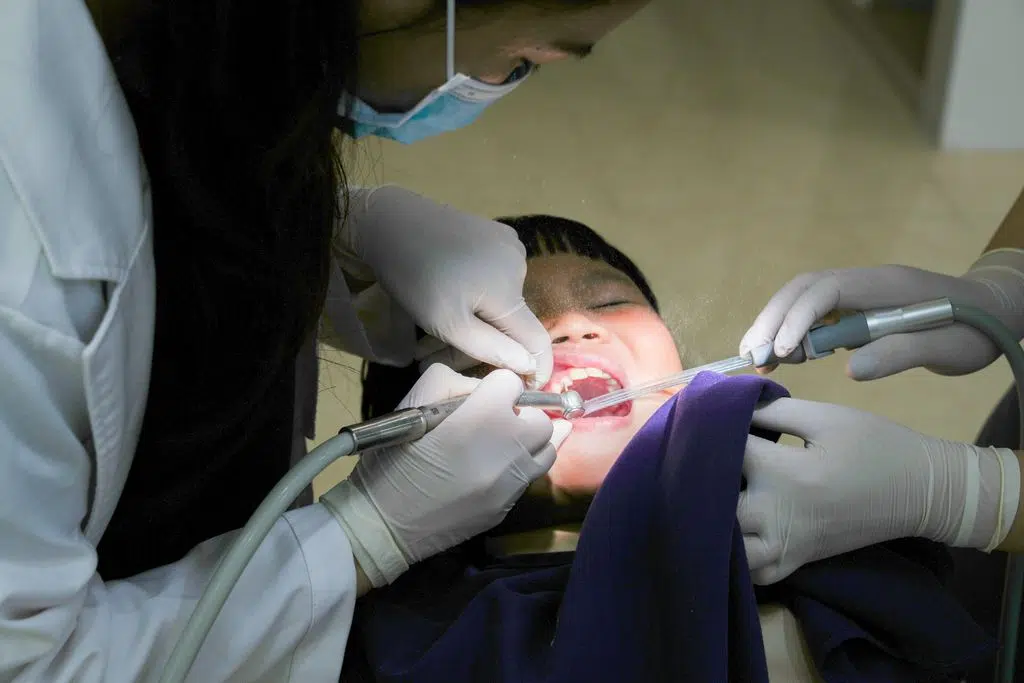
Knowing what happens can help parents stay relaxed, too. A child’s first checkup is generally focused on getting acquainted, examining the mouth, checking development, and giving parents guidance about oral care. Depending on the child’s age and cooperation, the dentist may examine the teeth while the child sits in the dental chair or on a parent’s lap.
| Stage | What may happen |
| Arrival | Your child meets the dental team and gets comfortable. |
| Examination | The dentist checks the teeth, gums, mouth, and development. |
| Prevention | The team discusses brushing, fluoride, diet, and cavity prevention. |
| Questions | Parents can ask about teething, habits, or any concerns. |
| Next steps | The dentist explains whether another visit or treatment is needed. |
Crying, squirming, or refusing to cooperate does not automatically mean the visit has gone badly. Young children are experiencing unfamiliar sights, sounds, and sensations, and pediatric dental teams are trained to work with different levels of cooperation.
Use Positive Language Without Making Promises
One common mistake is trying too hard to reassure a nervous child. Saying, “Don’t worry, it won’t hurt,” can accidentally introduce the idea that there is something painful to fear.
Instead, use simple, neutral language. Tell your child that the dentist will “look at your teeth” or “help keep your smile healthy.” Let the dental team explain unfamiliar instruments and procedures in an age-appropriate way.
Also avoid using the dentist as a punishment or offering elaborate rewards in exchange for behaving perfectly. A calm, positive attitude helps frame dental care as a normal part of growing up.
Build Confidence After the Appointment
The first visit does not need to be perfect to be successful. What matters most is that your child begins to see the dental office as a safe, predictable place.
Praise specific behaviors rather than whether your child “behaved.” You might say, “You did a great job opening your mouth,” or “You were brave when the dentist counted your teeth.” Keep the conversation positive afterward, even if your child cried or needed extra reassurance.
Starting dental care early is important, too. Professional organizations recommend the first visit after the first tooth appears and no later than the child’s first birthday, giving children an opportunity to become comfortable with dental care before problems develop.
Frequently Asked Questions
When should my child have their first dental visit?
The first dental visit should occur after the first tooth appears and no later than the child’s first birthday.
What if my child cries at the dentist?
Crying can be a normal response to a new environment. A pediatric dental team can usually adjust its approach and give the child time to become comfortable.
Should I stay with my child during the appointment?
For young children, parents may be able to stay nearby or hold the child during parts of the examination. The approach depends on the child’s age, comfort, and the dental practice.
What should I tell the dentist before the first visit?
Share your child’s medical and dental history, current concerns, previous dental experiences, and any habits such as thumb sucking or pacifier use.
Conclusion
Schedule the appointment at a time when your child is rested, talk about the visit positively, and choose a pediatric dentist who makes children feel welcome.
A calm first experience can lay the groundwork for comfortable dental visits for years to come.