
Belize stands by the Caribbean Sea as a nation in Central America with remarkable underwater ecosystems among multiple marine settings.
This region is known for its turquoise waters, thriving coral reefs, and vibrant marine biodiversity, making it a hotspot for both ecological study and sustainable travel.
Home to the second-largest barrier reef system in the world, Belize supports life in the ocean while balancing environmental protection with coastal tourism.
Recent marine conservation efforts in Belize have made an incredible recovery possible after improving its damaged marine areas.
If you’re looking to contribute, becoming an eco-friendly volunteer in Belize allows you to work directly with local marine programs—assisting in reef monitoring, coral nursery projects, and community outreach—all while exploring some of the most beautiful dive sites in the Caribbean.

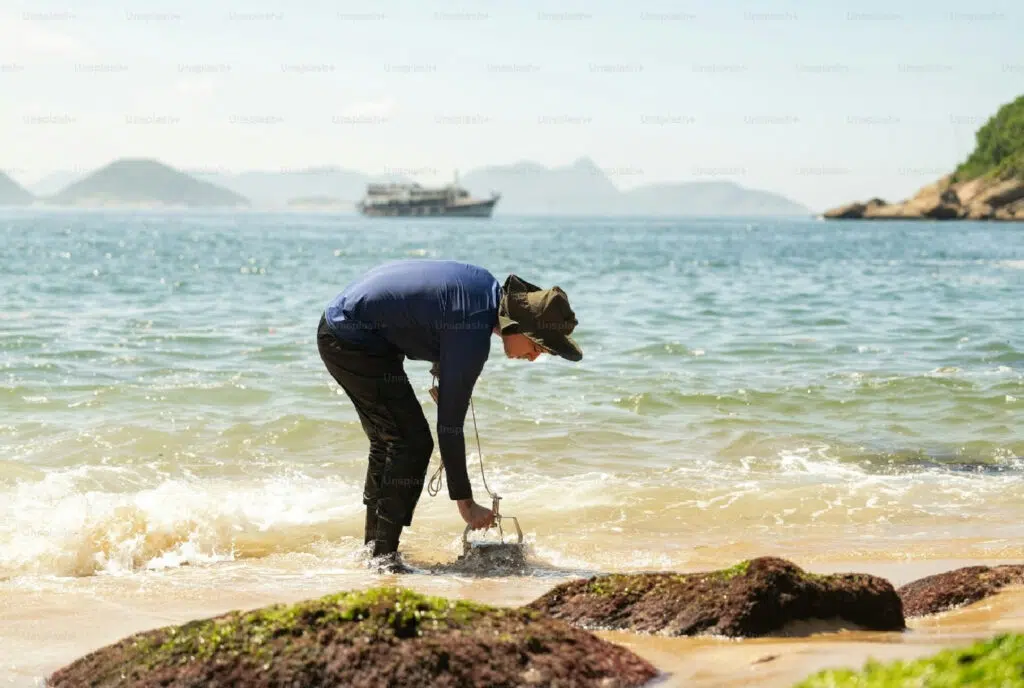
Belize shows how ocean defense works by creating protected marine zones while helping local populations sustain their activities, which makes it a leader in global environmental protection programs.
Marine Protected Areas: A Sanctuary for Marine Life
Creating Marine Protected Areas remains the Belize government’s main step to restore marine life. The protected areas of the Reserve and another conservation zone rule out all activities that remove things from the sea, even fishing.
MPAs let us preserve marine plants and animals and rebuild coral reefs, which enhances conservation zones that promote species reappearance.
Belize takes this approach through a Blue Bond agreement, which makes a legal promise to safeguard 30% of its ocean area. A working model shows how protecting ocean areas can succeed by creating a debt plan that pays for ocean preservation.
Conservation programs now help important species like parrotfish and groupers stay healthy, along with rebuilding coral habitats at certain protected sites.
Sustainable Practices and Community-Led Conservation
Belize moves past basic environmental laws to help safeguard marine life and support local environmental efforts. The country banned gillnets and trawlers because these fishing tools hurt important marine environments.
Through Fish Right Eat Right, the Belize government celebrates fishermen who protect aquatic life for the future.
Residents of the Placencia Peninsula and coastal areas actively lead all conservation programs and practices on their coastlines.
Teaching residents about conservation, plus giving them monitoring tools and enforcing fishing law protection, makes a complete approach system. The initiative changes residents into dedicated defenders of marine life through their support for nature preservation and eco-tourism work.
One shining example of local engagement is through programs that welcome eco-friendly volunteer in Belize.
Marine life conservation programs near Placencia teach people how to look after the reef through scientific monitoring and nursery protection while running outreach efforts.
Their participation brings essential help to professionals who defend marine life and creates profitable, sustainable travel experiences that benefit local communities.
Science, Climate Action, and Global Collaboration
Organizations gather data on species such as sharks, rays, and sea turtles to assess ecosystem health and guide policy.
This research is particularly important as Belize refines itself to confronting increasingly climate-change-related threats-coral bleaching, ocean acidification, and extreme weather events continue to wreak havoc upon our marine resources.
Belize is certainly building up resilience strategies. Through the Resilient Reefs Initiative, communities are putting together climate adaptation plans, including mangrove restoration and reef regeneration. These natural defenses buffer the coastline from storm surge while promoting biodiversity.
Collaboration with international NGOs strengthens the marine strategy of Belize.
Such partnerships provide Belizean partners with technical expertise, funding, and global awareness towards the conservation model in Belize.
Conclusion
Marine conservation in Belize is a fabulous story about an effective combination of policy, research, community involvement, and international cooperation.
The results are evident. The coral reefs are healing; the fish stocks, which were once depleted, are coming back; and the coastal communities are beginning to see sustainable alternatives.
As other populations in the world consider how to save their marine resources, Belize makes for a fascinating case of how serious and audacious conservation can indeed rejuvenate oceanic life.