
Key Takeaways
- Regular foot care prevents infections and complications.
- Proper footwear supports foot health and posture.
- Daily hygiene and inspections detect issues early.
- Foot exercises improve strength and balance.

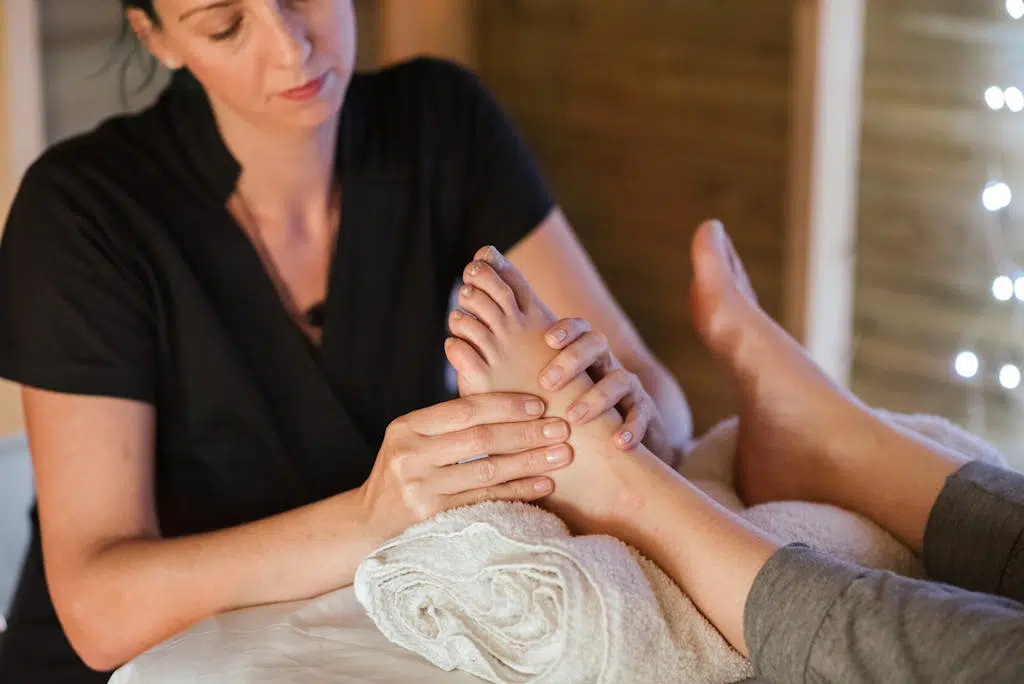
Healthy feet are an essential foundation for an active, pain-free lifestyle. Most people overlook the importance of daily foot care, but integrating simple steps into your routine can ward off discomfort, long-term issues, and even prevent serious complications. From selecting proper footwear to paying close attention to hygiene, each habit contributes significantly to lasting wellness. Simple prevention and routine awareness can help you avoid complications that might otherwise require treatment from a direct care foot doctor Poconos, keeping you active and mobile for years to come.
Your feet support your entire body, impact your posture, and play a vital role in balance and movement. Small changes—whether it’s regularly moisturizing or checking for injuries—make a significant difference in your daily comfort and overall health. According to major health authorities, people who practice good foot care are less likely to experience issues such as fungal infections, ingrown toenails, or chronic pain.
Daily Hygiene Practices
Cleaning your feet thoroughly every day helps remove bacteria and dirt, minimizing the risk of infections. Use warm water and gentle soap—never hot water, which can dry out the skin. After washing, drying the area between your toes is crucial; lingering moisture can become a breeding ground for fungi responsible for athlete’s foot and other skin problems. Avoid soaking your feet for long periods, as this strips them of natural oils and contributes to dry, cracked skin.
Regular Foot Inspections
Daily visual checks help catch small health concerns before they escalate. Look for blisters, cuts, swelling, or areas of redness. People with diabetes or circulatory issues need to be especially vigilant, as minor foot injuries can worsen quickly. Using a hand mirror or asking a family member to help with hard-to-see areas ensures that problems like pressure sores or infections are found early, when they’re easiest to treat. The American Diabetes Association recommends inspecting feet daily, emphasizing the importance of early intervention.
Choosing the Right Footwear
Wearing properly fitted, supportive shoes can prevent bunions, hammertoes, heel pain, and many chronic conditions. Shoes with ample arch and heel support distribute body weight evenly and help maintain proper posture. Avoid narrow or high-heeled shoes for prolonged periods, as they increase the likelihood of calluses and joint issues. Changing socks daily and choosing moisture-wicking fabrics also cuts the risk of bacterial and fungal infections.
Foot Exercises for Strength and Balance
Incorporating simple exercises helps reinforce the muscles that support your feet and ankles. Regular activities such as toe curls, ankle rotations, and picking up objects with your toes build strength and flexibility. Stretching both the feet and calves can prevent painful conditions like plantar fasciitis. If you have access to safe, soft surfaces, going barefoot for a few minutes daily improves muscle engagement and circulation, making your feet less prone to injury. Improving foot strength not only maintains balance, especially in older adults, but also reduces fall risk and improves overall movement.
Moisturizing and Skin Care
Healthy skin protects against infections and discomfort. After washing, apply a quality moisturizer to the tops and bottoms of your feet, but avoid the spaces between your toes. Using creams containing urea or lactic acid can help people with extra-dry or thickened skin. Gently exfoliate with a pumice stone once a week to remove rough spots and calluses. Don’t use sharp instruments or attempt to cut calluses yourself, as this can result in injury and introduce bacteria beneath the skin’s surface.
Nail Care and Prevention of Ingrown Toenails
Proper toenail-cutting technique prevents painful ingrown toenails and infections. Trim toenails straight across and file down sharp edges—not too short, as this increases the likelihood of the nail growing into surrounding skin. If you have trouble reaching or properly trimming your nails, especially if you have medical conditions like diabetes or poor vision, it’s safest to seek assistance from a podiatrist.
Protecting Feet from Extreme Temperatures
Feet are sensitive to both hot and cold. During summer, always wear shoes on hot surfaces like pavement or sand to prevent burns. In cold weather, wear warm, moisture-wicking socks and insulated footwear to avoid chilblains and frostbite. If your feet experience numbness or chronic circulation issues, take extra care, as you may not easily notice injuries from extreme temperatures.
When to Seek Professional Care
Chronic pain, swelling, persistent wounds, and signs of infection require prompt attention from a foot care specialist or physician. Early professional intervention can prevent complications, such as ulcers or serious illnesses. Individuals with diabetes, neuropathy, or circulatory challenges should have their feet evaluated regularly. Scheduling annual check-ups with a podiatrist ensures small issues don’t develop into larger health problems and keeps your feet in top condition.
Adopting a thoughtful, consistent foot care routine safeguards not only your mobility and comfort but also your overall health. Treating your feet with the care they deserve means fewer injuries, quicker recovery from minor issues, and a stronger sense of well-being as you age. With simple daily actions, your feet can carry you far for a lifetime.
Conclusion
Healthy feet are the foundation of an active, pain-free lifestyle, and consistent daily care is the key to maintaining them. By practicing good hygiene, wearing supportive footwear, performing strengthening exercises, and monitoring for early signs of issues, you can prevent infections, chronic pain, and other complications. Moisturizing, proper nail care, and protection from extreme temperatures further enhance foot health, while knowing when to seek professional guidance helps prevent minor concerns from becoming serious problems. Integrating these habits into your routine not only preserves mobility and balance but also contributes to overall well-being. With mindful attention and proactive care, your feet can support you comfortably and safely for a lifetime.