
Table of Contents
- Introduction
- What Are Full-Arch Dental Implants?
- Benefits of Full-Arch Dental Implants
- The Full-Arch Implant Procedure: Step-by-Step
- Post-Operative Care and Maintenance
- Potential Risks and Considerations
- Cost and Insurance Coverage
- Conclusion

Introduction
Dealing with extensive tooth loss impacts not only oral function but also self-confidence and overall quality of life. Full-arch dental implants are a modern, reliable solution that can help restore both your smile and your ability to eat, speak, and live comfortably. Whether you are just beginning to explore tooth replacement options or seeking an advanced, long-lasting alternative to traditional dentures, understanding the process and benefits of this treatment can help you make an informed decision. Discover how full arch dental implants Sarasota, FL, could be your path back to a confident, fully functional smile.
Compared to removable dentures, full-arch dental implants offer a stable and natural-looking solution. Implants are securely anchored in the jawbone, allowing you to bite and chew with confidence. This comprehensive guide explores the fundamentals of full-arch implant systems, their life-changing benefits, and what to expect if you are considering this transformative treatment.
What Are Full-Arch Dental Implants?
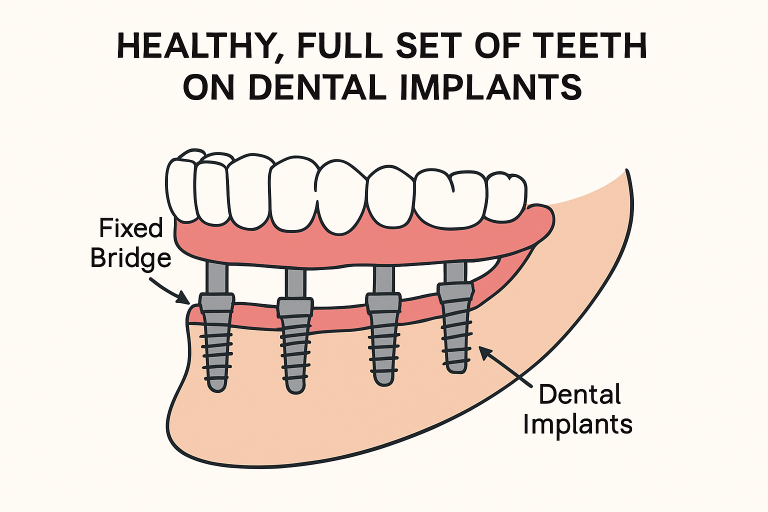
Full-arch dental implants, also known as full-mouth dental implants, involve replacing an entire row (arch) of missing or failing teeth with a fixed prosthesis that is supported by multiple dental implants. Typically, between 4 and 6 implants are strategically positioned within the jawbone. These implants then anchor a custom-made bridge or denture, offering stability and a natural appearance. According to the Mayo Clinic, dental implant surgery is a reliable procedure that effectively replaces tooth roots with metal posts and restores function and aesthetics. This method is an ideal option for patients who have lost most or all their teeth in a single arch, or who are tired of dealing with uncomfortable traditional dentures.
Benefits of Full-Arch Dental Implants
- Enhanced Stability: Dental implants are firmly fixed in the bone, eliminating the risk of slipping or shifting often associated with removable dentures.
- Improved Chewing & Speech: Most patients report that their ability to chew and speak noticeably improves after transitioning from dentures to fixed implants.
- Bone Preservation: Because implants stimulate the jawbone, they help maintain bone density and facial contours, preventing the sagging appearance associated with bone loss.
- Natural Aesthetics: Full-arch prosthetics are custom-designed to mimic the color, shape, and feel of natural teeth, delivering a beautiful, confident smile.
The Full-Arch Implant Procedure: Step-by-Step
- Consultation and Planning: The process starts with a thorough evaluation, including 3D imaging and digital scans. Your dentist will assess bone quality and determine the best placement for each implant while customizing your treatment plan.
- Surgical Implant Placement: Under local anesthesia or IV sedation, dental implants are surgically inserted into predetermined locations in your jawbone. Temporary prosthetic teeth may be placed the same day, allowing you to leave the office with a renewed smile.
- Healing and Osseointegration: The healing phase, typically lasting three to six months, allows your implants to fuse with the jawbone in a process called osseointegration, creating a strong and lasting foundation for your new teeth.
- Final Restoration: Once healing is complete, your dentist permanently attaches a custom-crafted prosthetic arch to the implants, restoring function and aesthetics.
Post-Operative Care and Maintenance
Success with full-arch dental implants depends on excellent post-operative care. Patients are advised to:
- Brush and floss regularly, just as with natural teeth, to remove plaque and debris from around the implants.
- Visit your dentist for routine cleanings and check-ups to address minor issues before they become serious.
- Follow dietary recommendations, especially in the first months, avoiding overly hard or sticky foods that could damage the restoration.
Potential Risks and Considerations
While the success rate of full-arch dental implants is high, they are not without potential risks. According to WebMD, possible complications include infection at the implant site, which is typically managed with antibiotics and good oral hygiene, and implant failure if osseointegration does not occur, which may require additional procedures. There’s also the potential for injury to surrounding structures, such as nerves or blood vessels, during placement. To minimize these risks, it’s essential to choose an experienced dental professional and carefully follow their post-implant care instructions.
Cost and Insurance Coverage
Full-arch dental implants require a significant investment, with average costs ranging from $20,000 to $35,000 or more per arch, depending on location, materials, and the complexity of your case. Some dental insurance plans offer partial coverage for implants, but many consider them an elective procedure. It’s essential to consult directly with both your provider and insurance company to clarify your benefits and create a plan that fits your financial situation.
Conclusion
Full-arch dental implants are a highly effective, natural-feeling, and long-lasting solution for individuals experiencing significant tooth loss or dissatisfaction with dentures. With a commitment to oral hygiene and the guidance of a skilled implant provider, you can look forward to restored confidence, improved oral function, and a more youthful appearance. Taking the time to understand all aspects of the procedure positions you for a successful and transformative dental experience.