
Grilling isn’t just a way to cook—it’s a beloved tradition that brings people together to celebrate and enjoy flavors enhanced by an open flame.
The skill of grilling, especially BBQ, has advanced with new grill technology and the growing popularity of competitive barbecue. Despite these changes, one thing remains key to great grilling: the BBQ rub.
This often-overlooked ingredient can turn ordinary grilled meats into amazing dishes, making it essential for both beginners and seasoned grillers.
While most guides focus on grilling techniques and the latest equipment, this article looks closer into BBQ rubs. We’ll look at what BBQ dry rubs are, their history, and their role in flavor.
We’ll also cover how to choose the right rub for different meats, the fun of creating your own blend, and the best ways to apply rubs.
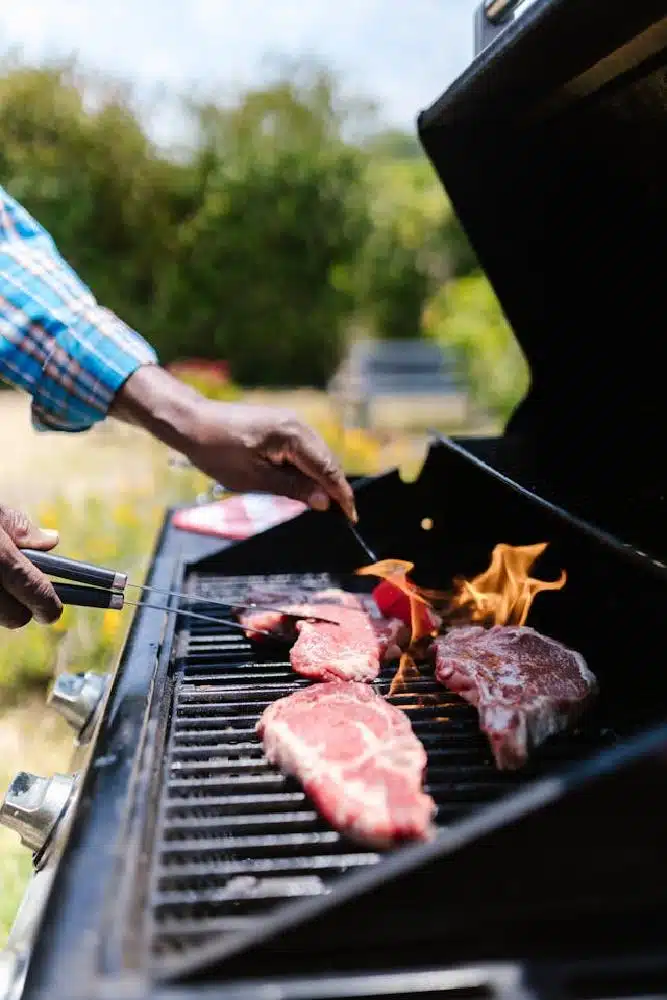
Finally, we’ll discuss advanced grilling tips that make the most of your rubs.
The Basics: What Are BBQ Rubs?
BBQ rubs are a mix of spices and seasonings that you put on meat before grilling to boost its flavor and texture.
They have been used for centuries, with different cultures adding their unique touches. A basic BBQ rub usually has salt, sugar, pepper, and paprika, but there are many variations around the world.
These rubs not only season the meat but also create a crust that locks in juices and adds a tasty, crispy layer.
For grilling fans, a good rub is vital. It can turn simple meat cuts into gourmet dishes, showing off the griller’s skill.
In BBQ, using rubs well can make the difference between a decent meal and an amazing one.
Choosing the Right Rub for Your Meat
Choosing the right rub for your meat is essential and shouldn’t be overlooked. Different meats have unique flavors, and the right rub can enhance them. For beef, a strong rub with garlic, black pepper, and cumin works well.
Pork tastes great with a sweet and spicy mix like brown sugar, chili powder, and paprika.
Chicken, being more delicate, pairs nicely with lighter herbs like rosemary and thyme. For fish, use a gentler rub with citrus zest and dill to highlight its fresh taste.
Knowing these differences helps you make better choices and create delicious grilled dishes.
Creating Your Own Signature Rub
Creating your own BBQ rub is one of the most personal and creative parts of grilling. Making your own blend lets you discover the joy of crafting a mix that fits your taste and style. Start by understanding the basic balance of spices, herbs, and sweetness.
Use classic ingredients like salt, sugar, pepper, and paprika as your base. Then, experiment—add garlic powder for depth, cumin for warmth, or a bit of cinnamon for a surprising twist.
Think about how different herbs can add new flavors; rosemary can add a fragrant touch, while thyme gives a subtle earthiness. Don’t hesitate to adjust the amounts until you find a mix that’s just right for you.
Making your own rub not only boosts the flavor of your meats but also shows off your personality as a griller.
Properly Applying BBQ Rubs for Maximum Flavor
When it comes to using BBQ rubs, timing and technique are important for the best flavor.
If you want a deep, rich taste, let the meat sit overnight with the rub. This allows the spices and herbs to fully penetrate, giving the meat a stronger flavor.
However, if you’re short on time, applying the rub just before grilling also works well to enhance the meat’s natural taste.
The main thing to remember is to cover the meat evenly; rub the seasoning generously and work it into all the crevices. This ensures a consistent flavor and creates a tasty crust, known as the “bark,” which improves the texture.
Whether you’re marinating overnight or seasoning just before grilling, these techniques will make your BBQ dishes more delicious.
Mastering the Grill: Techniques to Complement Your Rubs
A true pitmaster knows that grilling isn’t just about choosing the right rub—it’s also about using the right grilling techniques.
Different methods like direct vs. indirect heat, smoking, and searing each offer unique benefits.
Direct heat is great for searing, giving your meat a tasty crust, especially when using a spice-heavy rub. Indirect heat is better for larger cuts or recipes that need long cooking times, allowing the rub’s flavors to slowly soak into the meat.
Smoking adds a rich, smoky flavor that goes well with strong spices, creating a perfect mix of tastes. Searing locks in juices and caramelizes the rub’s sugars for a delicious crust.
Elevating your grilling game starts with mastering the use of BBQ rubs, an essential ingredient that can transform any piece of meat into a flavorful masterpiece.
By understanding the basics of BBQ rubs and choosing the right blend for each type of meat, you can enhance natural flavors and create delicious dishes. Crafting your own signature rub adds a personal touch and allows for creative experimentation.
Applying rubs properly and utilizing advanced grilling techniques like smoking and searing further amplify the flavors.
These skills will not only improve your grilling but also distinguish you as a true pitmaster.