
Find one individual who doesn’t aspire to have their dream house at least once in a lifetime!


Everyone has had a dream house design in their minds for years. But multiple factors influence whether it happens in real life or not.
That said, building a dream house is a step-by-step process and involves time and a lot of money. Moreover, there are various other factors to be considered before actually starting to build a dream house.
Check out this checklist if you are planning to build or purchase your dream house soon.
The following are seven factors to be considered when designing a dream home. Don’t skip any one of them to make a wise decision in your favor.
1. Budget is Basic
No project can be accomplished without any budget.
Even your dream house needs a pool of money (if not plenty, then at least minimal) to get built.
Therefore, first and foremost, you should have your house building budget. Managing the project according to the budget is essential if you want to succeed in the end.


If you don’t track your house building costs, you could end up overpaying someplace midway and having nothing left to finish the project.
Hence, your first job is to set a budget, plan a spending strategy, and then start constructing your dream house.
2. Hiring a Home Builder
The idea of building your dream house DIY sounds surreal until you start placing those bricks one on one yourself.
Also, constructing your own house is cheaper than hiring contractors. But the mistakes you make might cost you more than (the repairs) your actual house-building budget.
Rather, find a contractor who is trustworthy and cares about your dream.
You will find excellent contractors on this page who is budget-driven, reliable, and expert in their job.
Constructing a house means taking approvals and following all the regulations. Research well that your hired contractor follows government guidelines for house building strictly.
If not, you may end up in costly legal actions.
3. House Layout
For a dream house, of course, everyone thinks of something fancy.
However, a home designed with elegant roof shapes and posh exterior design might demand too much care and cost.
Honestly, keeping the house layout simple might give less burden to your bank. House layout, therefore, is an important consideration to keep in mind when you are building your dream home.

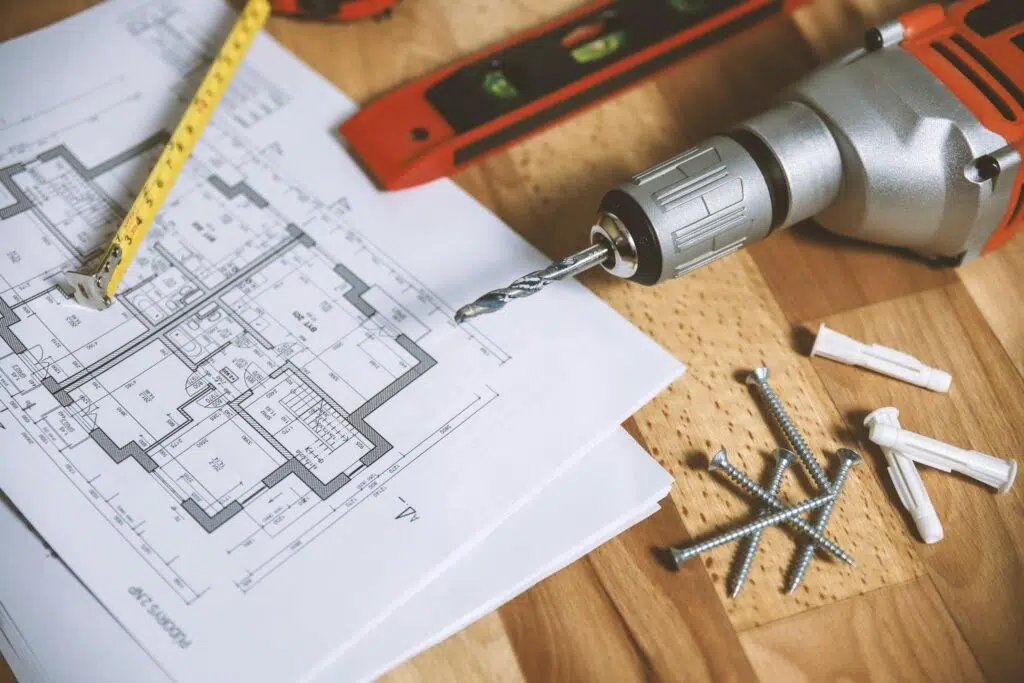
While making the blueprints, don’t incorporate complex structures for your house. It involves too much time, expertise, and money.
Instead, keep some room for finishing your unfinished structures later on at the time of construction.
4. Size & Location of the House
Like the layout, the size of your house also matters a lot.
Firstly, to ascertain the number of rooms you want in the house, you must determine the house size.
Moreover, take into account the number of family members you have to find the perfect house size for you.
Secondly, considering the location of your dream house is super important to make your after-life comfortable.
When purchasing the piece of land, ensure it is levelized and not rock outcrop. Plus, finalize the location for your dream house that is secure and not secluded.
Your home must have easy and regular access to nearby hospitals, schools, shops, and churches, too.
5. Availability of Water & Energy
Water and energy are the two most fundamental elements. Besides building your house, you will also need them to live in it for the rest of your life.
Thus, check for the availability of water and energy at your house’s location. You can use recycled water (like rainwater) during construction to conserve water.
Additionally, you can conserve energy by working on your house project during daylight.
It makes you consume the energy only required for operating house building tools.


For future ease, you should see whether the land you are building your house on has sufficient water and energy resources or not.
Make sure the water reservoir is close to your home within 5 km to get fresh water when water doesn’t flow directly to your taps.
Similarly, the place where your house will stand should have electricity to help you with daily consumption for livelihood activities.
6. Purchasing Raw Materials
While planning the budget, you should also make a list of all the raw materials you need for building a house.
The unplanned purchase might lead to the unnecessary stock of raw materials ending up as waste later on. It’s better to only purchase what’s needed.
Often, people forget to consider this factor and end up blowing up the budget.
7. Government Approvals
Last but not the least, you should get approvals from the local authorities and government bodies wherever required before kickstarting the construction.
Failing to seek permissions might hinder you midway.
Also, authorities can keep your construction on hold, ask you to leave it undone, alter it, or remove it entirely if it doesn’t abide by the laws.


Conclusion
You have given every ounce of your blood, sweat, and time to your dream house-building project.
And indeed, your wish not to go in vain.
Following this seven-factor checklist before commencing your constriction would help you in every manner.
The internet can be inspiring, but these factors will become your best friends when you are ready to build your dream house.