
We all have to go shopping. Whether it’s groceries, a new TV, or a house, we all make purchases of one kind or another.
The bigger the purchase, the more likely we are to look around for reviews, compare prices, and scour the internet for more information.
Let’s say you’re in the market for a new TV.
It might start with a Google search for the best size, make, and model. You scout around on review blogs looking for impartial opinions.
Odds are, you found some videos about it too… maybe some demonstration videos, reviews, or even troubleshooting. You might go to look at it in person at a nearby retailer.
You decide on the make and model, and now it’s on to price comparison, warranties, returns, and shipping costs and times.
After all of that, you finally buy your new TV.
It’s never been easier to be an informed customer and you feel good about how thorough you were. But from the time you made your first Google search and every interaction since then, that business noticed you, too.
Suddenly, the Google ads on every page you visit are showing you the very products you’ve been looking at. You go to Facebook and you see more targeted ads to your exact preferences.
Even the website where you purchased your TV seems like it’s more tailored to you now.

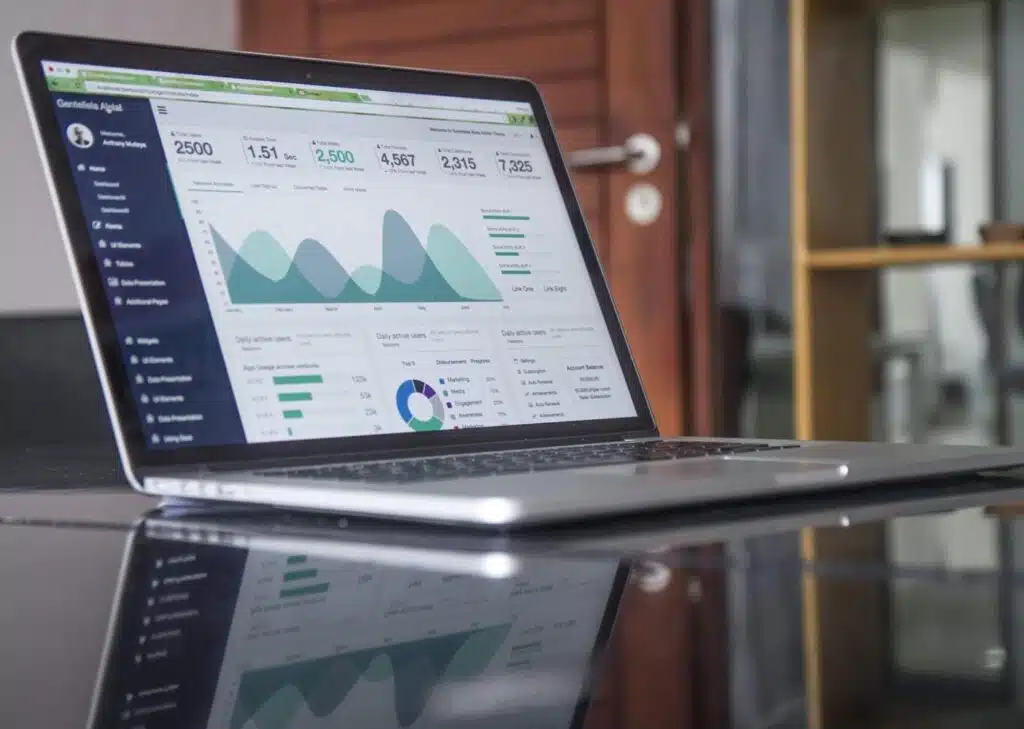
If you’re on their email list (and if you purchased online, you probably are), even their automated emails seem like they’re talking just to you.
Each of these interactions has collected data about transactions, demographics, and online behavior, right down to customer service and more.
This is an enormous amount of data when you think about how many people are shopping online every minute of every day.
This was all made possible by a Customer Data Platform (CDP). The CDP is a system that compiles all of this varied, complex information from those different sources.
It can then be used for customer service, customer experience initiatives, and even marketing campaigns.
Check out our top five things you need to know about Customer Data Platforms.
1. The Customer at a Glance
The whole idea behind a Customer Data Platform is that it unifies all the different kinds of data collected from everywhere that customer has clicked.
This allows for a complete overall view across all the channels and devices they’ve interacted with.
From there, other systems can access that data, making it mobile and flexible to be used where needed.
2. Improved Agility
Customer habits and technology changes can happen practically overnight.
A Customer Data Platform allows companies the flexibilityof bulding, connecting, and adapting to these changes as quickly as they take place.
Customer experiences can be improved because the CDP improves data timeliness, accessibility, readiness, and trustworthiness.
3. Democratization of Data
A Customer Data Platform makes data available wherever needed in an organization.
Every department needs access to it to succeed, whether it’s providing better service to current customers or marketing to attract new ones.
Regardless of whether members of these teams are specialists in data, the Customer Data Platform keeps it readily available and useable.
4. Increased Effectiveness
It’s frustrating purchasing a product in-store only to find that there was a better deal from that same store online.
It can make a customer feel ripped off and sour them on a brand. Consistency can be a challenge when any given business can be available to customers via multiple channels and regardless of device.
With a Customer Data Platform, a company can eliminate blind spots in its customers’ experience.


5. Streamlined Operations
Patching together a variety of solutions and technologies to perform a single task is always fraught with problems.
The results can be unreliable and difficult to maintain, assuming your resources haven’t been completely spent on the effort.
A CDP removes a lot of variables, such as integration and duplication, providing a centralized solution.
This allows a company to easily apply the rules across many different tools.
Data In, Data Out
There has always been a need to organize and manage customer data, and there always will be.
We went from the handwritten filing cards of the past to the Customer Relationship Management software of the 1990s at a staggeringly fast pace.
But even Customer Relationship Management software could be thought of as just filing cards on steroids; they could collect and perform data analysis easily, but the information collected itself wasn’t a big leap forward from those old filing cards.
In the 2000s, we got a step closer with Data Management Platforms, which helped with media campaigns using second- and third-party data.
As computing power has increased, so have the options for managing customer data… and now we’ve arrived at the Customer Data Platform, the best tool yet for offering a unified customer experience.