
Horseback riding, a majestic and time-honored pursuit, has a unique ability to forge a deep bond between humans and horses, allowing riders to experience a thrilling connection with nature.
Yet, beneath the enchantment of this equestrian adventure lies a crucial responsibility: ensuring the safety of both the rider and the horse.
Like a dance between partners, horseback riding demands grace and a firm understanding of essential safety measures.
However, beneath this seemingly serene exterior lies a thriving economy fueled by tourism, with Bryce Canyon National Park at its epicenter.
This enchanting region in southwestern Utah attracts millions of visitors yearly to marvel at its unique geological formations, including hoodoos, natural amphitheaters, and colorful rock spires.
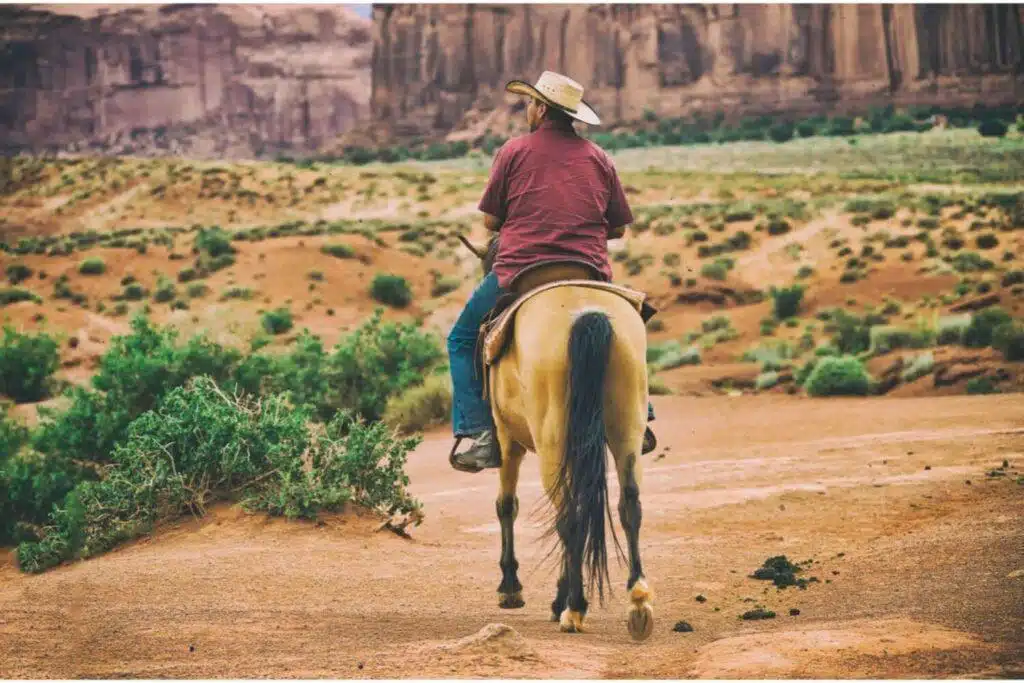
In this special corner of the world, Bryce Canyon horseback riding is a quintessential experience that allows visitors to connect intimately with the magnificent terrain.
But amid this awe-inspiring adventure, safety is paramount.
This article will delve into the safety measures for horseback riding in Bryce Canyon and explore the techniques and precautions necessary to navigate this rugged terrain and enjoy an exhilarating equestrian experience.
Read on.

Proper Training
Before you even mount a horse, it is crucial to undergo proper training.
Seek instruction from a certified riding instructor who can teach you the fundamentals of riding. Communicating effectively with your horse is critical to a safe and enjoyable riding experience.
It would help to learn about horse behavior and body language to understand your equine partner better.
Wear Appropriate Gear
The right gear is essential for your safety while riding a horse. Here are some critical items you should never ride without:
- Helmet: A certified riding helmet is the most crucial safety equipment. It can protect your head in the event of a fall or collision.
- Boots: Sturdy riding boots with a heel will help keep your feet secure in the stirrups and protect your feet from being crushed.
- Riding Apparel: Dress appropriately, including long pants and comfortable layered clothing. Gloves can also provide a better grip on the reins.
- Safety Vest: While not mandatory, a safety vest can provide additional protection for your torso.
Choose the Right Horse
Selecting the appropriate horse for your skill level and experience is crucial. If you’re a beginner, choose a calm and well-trained horse.
If you’re more experienced, ensure the horse matches your riding abilities. Always consult a professional trainer or riding instructor to help you choose a suitable horse.
Be Mindful of Your Surroundings
When you’re on horseback, being aware of your surroundings is essential. Scan the area for potential hazards such as uneven terrain, low branches, or obstacles on the trail.
Maintain a safe space from other riders, and always follow the riding facility’s designated riding paths and rules.
Mount and Dismount Safely
Mounting and dismounting a horse may seem simple, but it’s essential to do it safely to avoid accidents. Follow these steps:
- Mounting: Stand to the horse’s left side, hold the reins, and use a mounting block if available. Swing your right leg gently over the horse’s back, careful not to kick or startle the horse.
- Dismounting: To dismount, halt the horse and swing your right leg over the saddle to dismount on the left side. Always land on both feet.
Properly Adjust Stirrups and Girth
Ensure your stirrups are adjusted to the correct length so your feet can rest comfortably without touching the ground.
Also, check the circumference (the strap under the horse’s belly) to ensure it is snug but not too tight, as an improperly secured saddle can slip or cause discomfort.
Communicate Effectively with Your Horse
Understanding your horse’s signals and communicating effectively through the reins and your body language is essential for a safe ride.
Learn how to steer, stop, and control your horse using the reins. Pay attention to your posture and balance, as these factors greatly influence your horse’s behavior.
Respect Your Horse’s Limits
Horses have their own physical limitations and emotional states. Avoid pushing your horse too hard or asking them to perform beyond their abilities.
Be patient and compassionate, and always listen to your horse’s cues. Overexertion or stress can lead to accidents.
Stay Calm and Confident
Horses are highly perceptive animals that can sense your emotions.
If you become nervous or fearful, your horse may also become anxious. Staying calm and confident while riding is essential, even in challenging situations like Grand Canyon horseback riding.
In such awe-inspiring landscapes, maintaining your composure ensures your safety and fully allows you to appreciate the incredible journey alongside your equine companion.
Regularly Maintain Your Tack and Equipment
Proper maintenance of your riding equipment is essential for safety.
Inspect your saddle, bridle, and other tack regularly to ensure they are in good condition and free from any defects. Replace any worn or damaged equipment promptly.
In conclusion, horseback riding can be incredibly fulfilling and enjoyable but comes with inherent risks.
Following these essential safety measures can minimize those risks and create a safer environment for you and your horse.