
Children grow fast (especially if you’re a parent), but it’s important to know that this growth happens in stages. In fact, before they reach the age of five, kids go through four developmental milestones.
These milestones highlight key stages in building their cognitive, physical, and emotional prowess, which form their individuality.
Moreover, each stage requires a different type of care and attention from parents, caregivers, and educators alike. This is why it’s important to make sure you understand these critical phases.
Today, we’ll have a look at the early childhood developmental stages and how children’s perception of the world changes.
We’ll also talk about what adults can do to help kids navigate through these transitions.
The Importance of Recognizing Developmental Milestones
Most children will go through their early childhood development milestones without any issues. However, as the adults entrusted with the care of a child, it is important to know these milestones and learn to recognize them.
This way, you can monitor if children are reaching major physical, cognitive, and emotional benchmarks that form a solid foundation for their future learning.

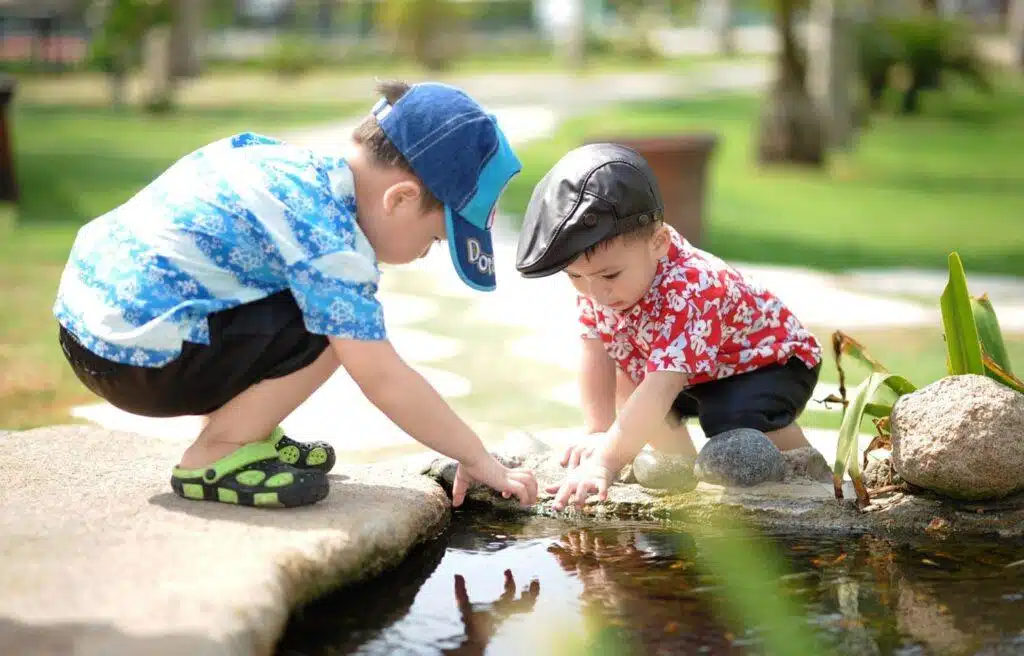
By being conscious of these stages, parents and caregivers can identify any potential delays early on.
Furthermore, teachers and educators who want to make a positive impact in their students’ lives may want to consider getting an Early Childhood Education Master’s degree.
This is a great way to learn about the latest findings in cognitive developmental psychology, effective classroom management strategies, and unique ways to foster creativity and critical thinking.
Moreover, with a master’s degree, you can gain expertise in specialized areas like special needs education.
This training can equip you with the skill set to work intimately with kids who have different learning needs, promoting inclusivity and diversity within classrooms.
The Crucial Milestones of Early Childhood Development
The good news is you don’t need a Master’s degree to learn the basics when it comes to children’s developmental stages.
Moving forward, we’ll discuss each stage and let you know what’s important to keep in mind.
Birth to 12 Months: Exploring the New World
From infancy, children embark on an exciting journey of growth. At this stage, babies develop sensory perceptions, such as recognizing voices or familiar faces.
At the same time, motor skills begin evolving as they learn to grasp objects or experience their first crawl.
During this phase, the parents’ emotional connection with the baby is vital. As a parent, you should engage with them regularly by talking, singing, and playing games that establish eye contact.
Also, help them develop upper body strength by propping them up and helping them move around.
Since kids learn about the world at this stage, introduce them to various sounds, textures, scents, and tastes (within dietary guidelines). This sensory exploration contributes significantly to their cognitive development.
1-2 Years: Stepping into Independence
When children enter their second year of life, they truly begin exploring their independence. This period is for remarkable advancements like walking without help, learning new words, and forming simple sentences.
Additionally, they begin navigating social interactions more comfortably.
At this stage, you should stimulate language development by talking to your children, reading interactive children’s books aloud, and singing nursery rhymes together.
It’s also a great stage to encourage socialization, so arrange playdates with peers or siblings so they can learn interaction skills.
2-3 Years: The Dawn of Self-Expression
At this phase, children’s self-expression blooms. They start conveying emotions and feelings more clearly through refined speech and expressive body language, letting those around them understand what they want or need.
As young minds become more perceptive, now’s a great time to boost cognitive skills with puzzles and brain-stimulating activities.
Kids also learn about emotions at this stage, so encourage them to acknowledge their feelings in order to foster emotional intelligence.
3-4 Years: The Era of Questions
Now, enter the curious years! Children between three and four love asking numerous questions about everything around them – from why the sky is blue to why dogs bark.
This inquisitive streak signifies their growing interest in the world around them and drives cognitive development.
Take advantage of this stage and find new ways to keep their creativity and ingenuity active. Also, work on building various habits, like reading, conversation, and self-discovery.
4-5 Years: Building Blocks for Further Learning
As children approach school age, they acquire more refined motor skills, advanced cognitive abilities, and social aptitude.
As their vocabulary expands, they start describing complex scenarios vividly and negotiating roles while playing with peers.
Kids have a lot of energy at this age, and they love to discover new aspects of their surrounding environment. So, make sure to keep them entertained with fun games and outdoor activities.
They’ll also get more active in the digital space, which is why you have to pay more attention to the time they spend in front of various screens.
Key Takeaway
Understanding early childhood development stages is not just essential, it’s transformative.
By becoming attuned to children’s developmental milestones, parents, teachers, and caregivers can provide the right encouragement at the right time, thereby encouraging and nurturing growth.