
Have you ever noticed your energy bills skyrocketing? While there could be various reasons for this, one culprit might be lurking right in your own home: energy-wasting appliances. These silent energy suckers can drain your wallet without you even realizing it. Let’s dive into the top 25 energy hogs and find out how to tame them.
1. Refrigerators


Refrigerators are essential household appliances. Considering it operates 24/7, it consumes energy significantly. Older models with bigger capacity tend to consume more energy. However, there are ways to maximize its energy efficiency. One is to ensure it’s properly sealed every time you close it. Replace worn-out door seals when necessary to prevent cold air leakage. You can also optimize your storage system for efficient cooling. Lastly, set an optimal temperature of around 37F for the refrigerator and around -18C for the freezer.
2. Freezers

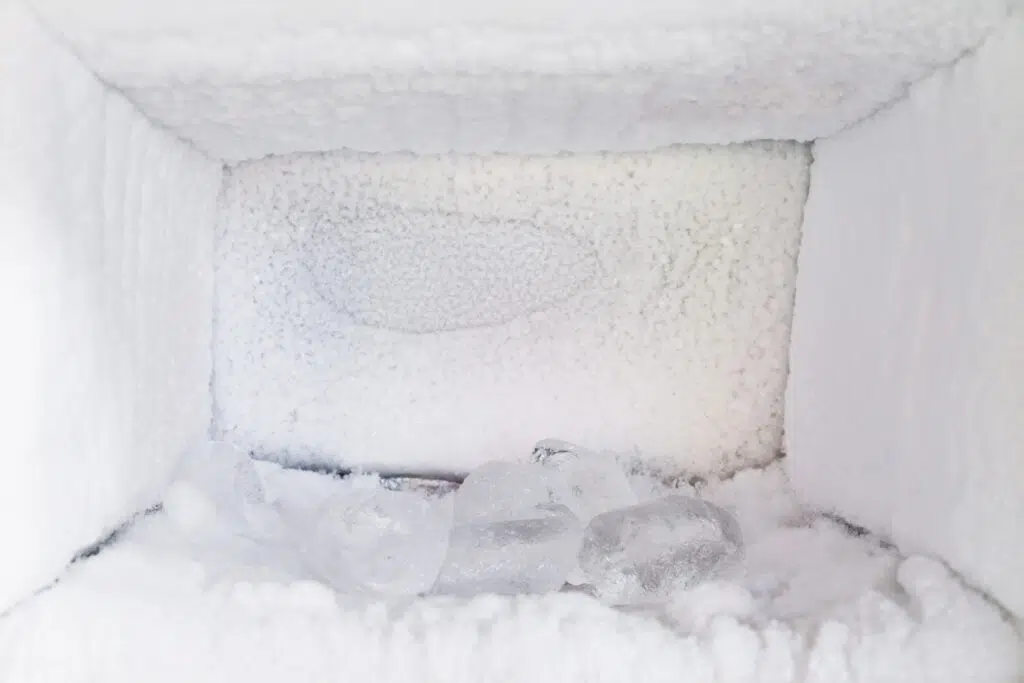
Whether chest or upright, are essential for storing food for extended periods. However, they can be energy hogs if not used efficiently because they require constant cooling to maintain their low temperature. Inefficient models can drain energy if they are not maintained properly. For energy-saving tips, choose an energy-efficient model. Avoid putting it near heat sources like the oven or direct sunlight. Make sure also that it’s sealed properly and that you defrost it regularly.
3. Ovens


The oven is one of the most energy-wasting appliances and is known as a notorious energy guzzler. They heat up a large space to high temperatures that eat up a significant amount of power. To reduce energy consumption, you need to utilize the convection setting that circulates air. It allows faster and more efficient cooking. Try not to do excessive preheating. Should you need to use your oven, plan ahead in cooking multiple dishes at once to maximize use.
4. Dishwashers


Dishwashers are a convenient appliance, but they can also conveniently increase your electricity bills. Its big energy consumption is used to heat water for washing and drying cycles. So to maximize energy savings, always run full loads and avoid half loading because this wastes energy and water. If you can let your dishes air-dry, then do so because it will help reduce energy consumption. Look for an Energy Star-certified dishwasher that has a soil-sensor feature.
5. Water Heater

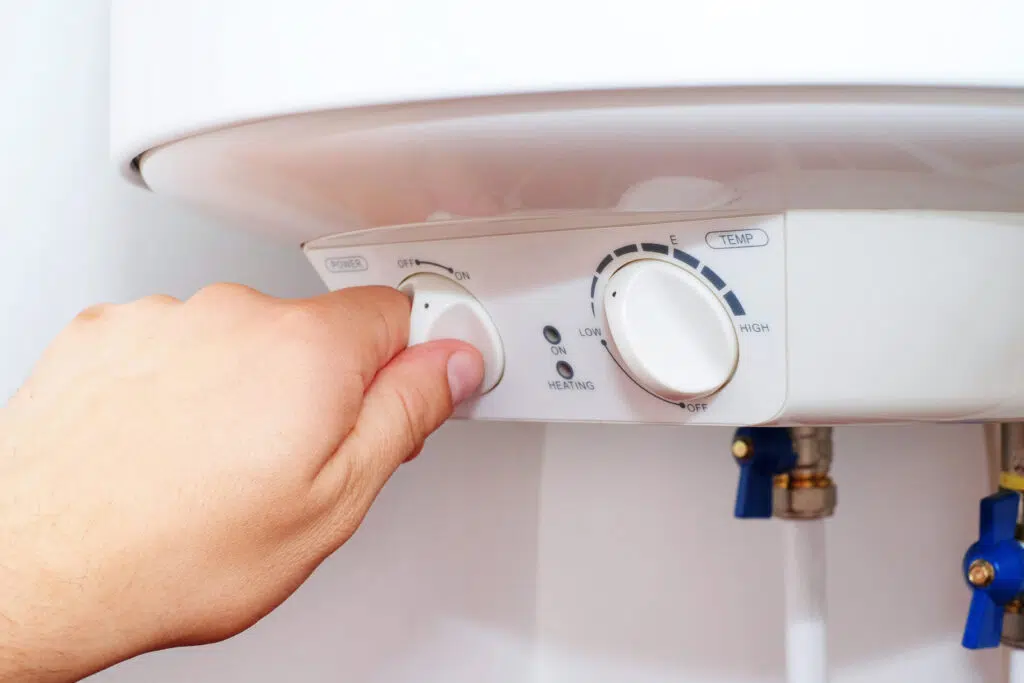
Water heaters are usually overlooked energy culprits. It works tirelessly, heating and storing water, even when it’s not needed. Traditional tank-style water heaters constantly lose heat, especially if they’re not well insulated. Here’s how to save energy at home if you’re using a water heater. Lower the temperature, as this minor change has a significant effect on energy usage. Insulating the tank will help to retain heat and reduce the need for frequent heating cycles. You may also want to consider upgrading to a tankless water heater to eliminate the need for storing water.
6. Clothes Dryer

Your clothes dryer might be a silent vampire power that sucks up power with every cycle. Dryers use a significant amount of energy to heat up and dry your clothes. It’s time-consuming, with the drying cycles taking a long time, especially for bigger loads. To tame your dryer, make sure that you only use it whenever necessary and just let nature do the work of drying your clothes. Cleaning the lint trap will help for an efficient drying time. Use the moisture sensor feature that will automatically stop the drying cycle when applicable.
7. Washing Machine

Washing machines are workhorses in our homes, but they can also be an energy-wasting appliance. The top energy drain comes from heating the water for every wash cycle. To help lower your electricity bills and save more money, consider cold water washes, full loads every washing time, and regular maintenance. Don’t forget to also invest in energy-efficient appliances. It may be more expensive, but in the long run, you can save more.
8. Stove Top


Whether gas or electric, your stove top can be a significant energy-wasting appliance if not used efficiently. When the stove top gives off instant heat, a lot of energy is lost to the surrounding air. Here’s an energy-saving tip when using the stovetop. Make sure to match the pot or pan size to the burner, cover pots and pans while cooking, and turn off the burner a few minutes before the dish is finished. For electric stoves, it can be less efficient as they take time to heat up and cool down. Opt for energy-efficient models and use the right pot or pan size too to minimize energy loss.
9. Microwave

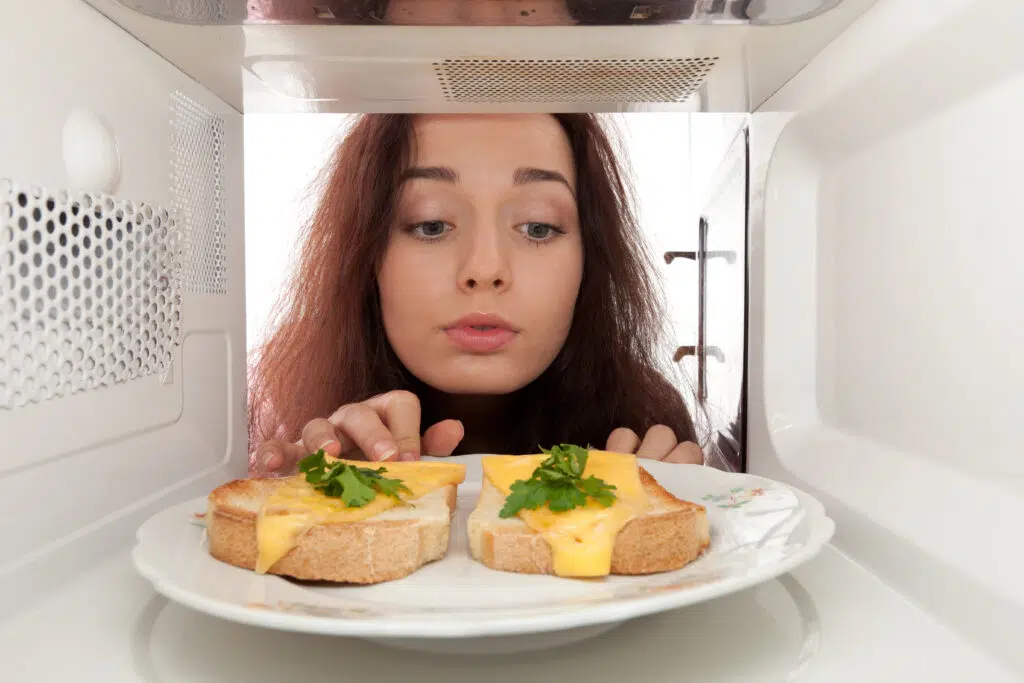
While the microwave is a convenient kitchen appliance, it can still be an energy-wasting appliance. Older models, especially, can consume a significant amount of power. To maximize energy savings, always choose the right power level every time you use it. A high-power setting is not suggested, especially if there’s no need for it. Avoid overheating your food as well, not only to save energy but to maintain its integrity. And when you are not using your microwave, make sure to unplug it because it still draws power.
10. Air Conditioners

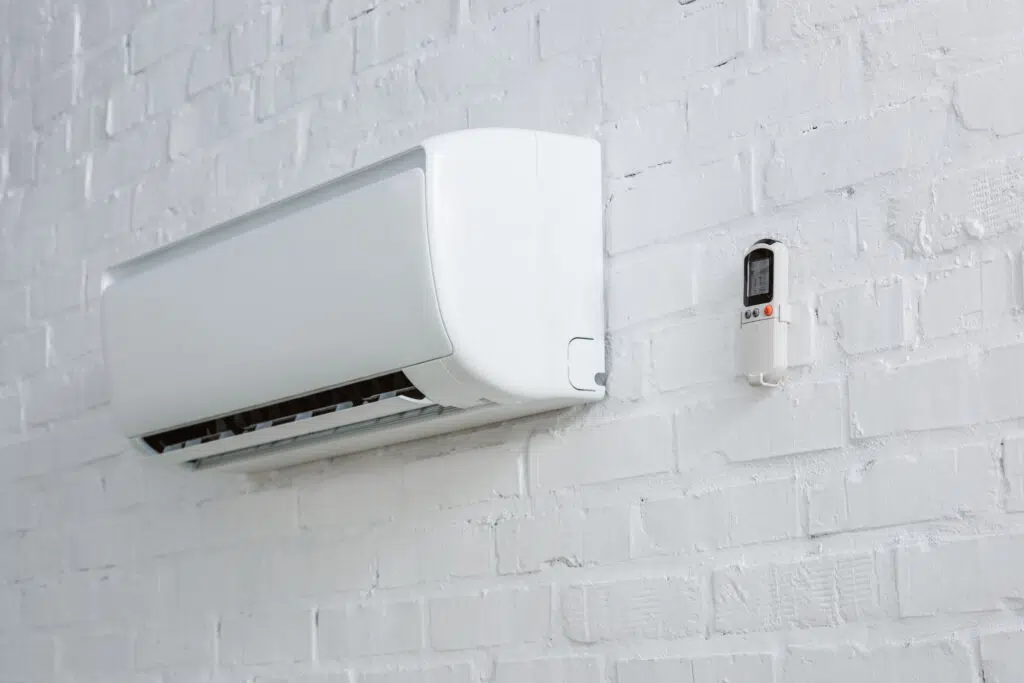
Air conditioners, whether central or window units are notorious energy guzzlers. They work tirelessly to cool entire rooms or houses that consume significant amounts of electricity. To save on power and electricity, set only a reasonable temperature where it’s also comfortable rather than putting in on the lowest setting. Make use of fans to help circulate air and lessen the need for heavy-duty air conditioning. Do regular maintenance to make sure your air conditioner is working efficiently, and when it’s time to replace your old air conditioner, always go for the Energy Star option.
11. Heating System (Furnace, Boiler, etc)


About 52% of the energy consumption of households in the U.S. is for heating and air conditioning. Heating systems, like furnaces and boilers, are essential for keeping our homes cozy, especially during the colder months. But like many other home appliances, these too are energy-wasting appliances. For energy consumption tips, control your temperature by setting the thermostat to a comfortable temperature. Do regular maintenance and make sure you have proper insulation because it will help you not to lose the heat. You can also invest in a programmable or smart thermostat to automate temperature settings, optimizing energy usage based on your schedule.
12. Television


Televisions, especially older models and larger screens can be surprisingly energy-wasting appliances. So to make sure you save energy when using your television, don’t forget to power down completely. Turn it off instead of leaving it on for standby where it still consumes energy. Dimming the screen can also be considered because brightness can make a difference on energy saving. Aiming for a comfortable viewing level without straining your eyes and your budget.
13. Computer Desktop


Your computer, whether it’s a desktop or laptop, is a significant energy consumer, especially if you’re a heavy user. The powerful processors and graphics cards that power these devices can draw a lot of electricity. To make sure you’re saving energy, use your computer’s power management settings to automatically adjust its power consumption based on usage. Adjust your screen brightness like you would in your television, unplug when not in use, and keep it clean and well-maintained.
14. Gaming Consoles


Gaming consoles are a lot of fun, but they can also be energy hogs. These powerful machines, especially when left on standby or used for long gaming sessions, can significantly contribute to your electricity bill. To minimize energy consumption, remember to power off completely and don’t leave it on standby mode. Many consoles have an energy-saving setting to reduce power, so make sure you’re using that setting. Consider cloud gaming services that allow you to stream games to your device, reducing the need for a powerful gaming console.
15. Lighting (Incandescent Bulbs)

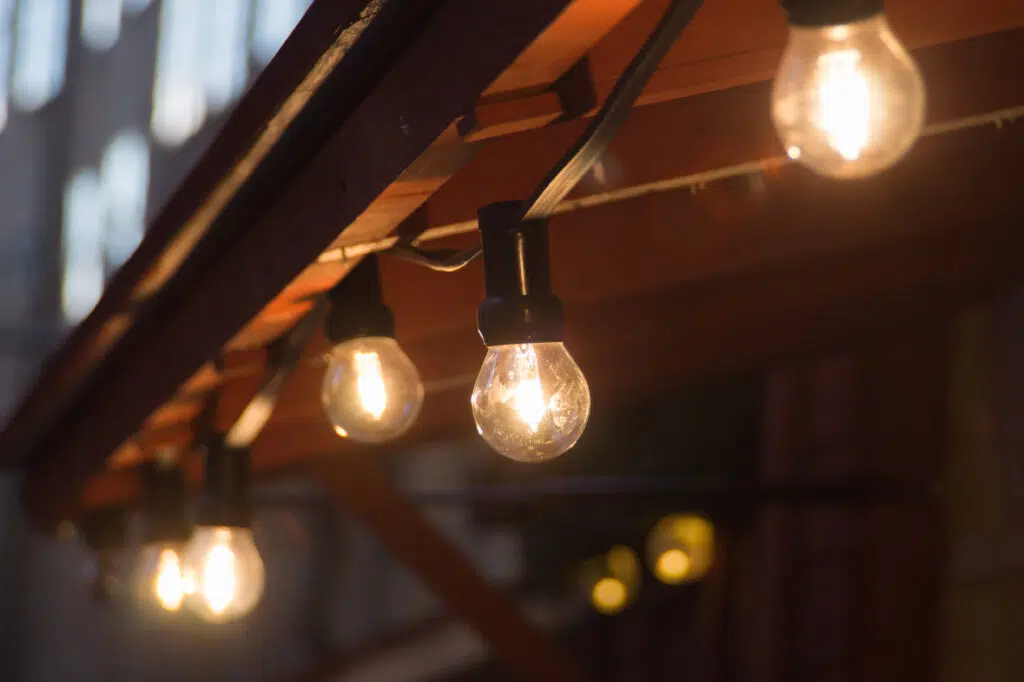
Incandescent light bulbs are notorious energy hogs. They waste a significant amount of energy as heat, making them incredibly inefficient. Consider switching to energy-efficient LED bulbs where you can drastically reduce your energy consumption. You can also save more money on your electricity bills. Using LED bulbs will significantly lessen your energy consumption and will last much longer compared to traditional incandescent bulbs.
16. Pool Pump


While your pool is a refreshing oasis, the energy-hungry pool pump can greatly impact your utility bills. To avoid this from happening, invest in a variable-speed pump that lets you adjust the water flow rate based on your pool’s needs. Running the pump at lower speeds during off-peak hours will let you save energy without compromising water circulation. Use a pool cover to help lessen water evaporation and do regular maintenance to optimize use.
17. Hot Tub


Hot tubs are a luxurious way to relax, but they can also be energy hogs. The constant heating of a large volume of water requires significant energy consumption. To minimize energy usage, consider investing in a well-insulated cover to lessen the heat loss. Lower the water temperature when not in use, and consider using a timer to schedule heating cycles.
18. Electric Blanket


Who wouldn’t want an electric blanket that is definitely a cozy addition to your bed? But as much as it is comfortable and cozy, it can also be energy-intensive, especially for older models. If you really want it but also want to minimize your energy consumption, pick the energy-efficient blankets. These are the ones that come with timers and multiple heat settings. You can use them only when necessary and turn them off as soon as you already feel warm.
19. Space Heater

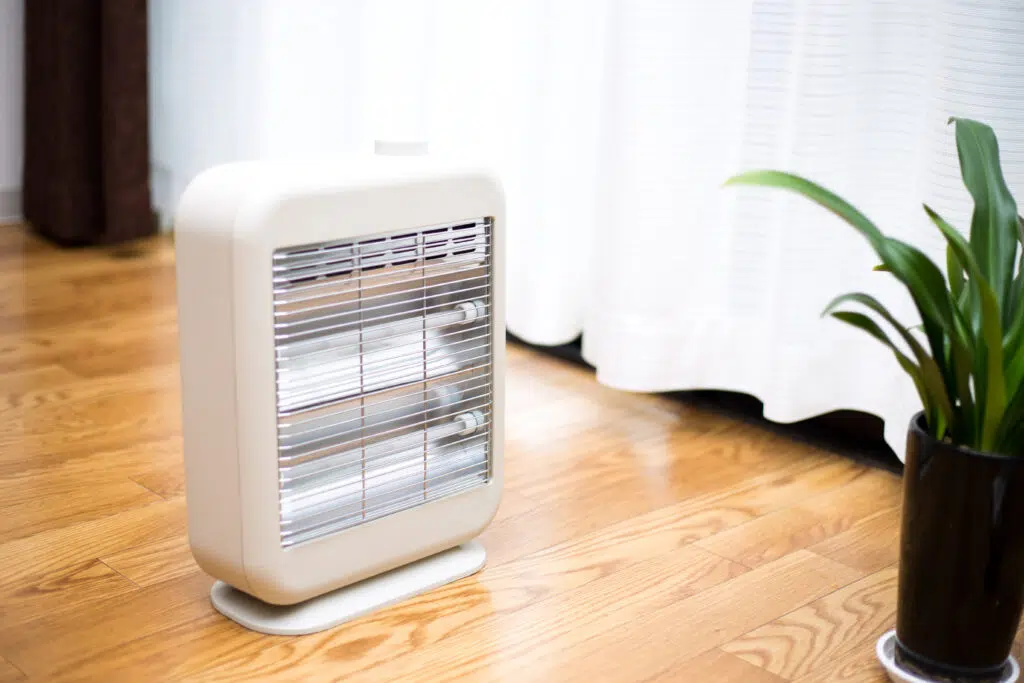
A space heater can be a convenient way to warm up a chilly room, but it can also be an energy-wasting appliance. This is especially true for older models that consume a significant amount of energy. To minimize energy consumption, opt for energy-efficient models with thermostats and timers. Use them only when necessary and for short periods of time to supplement your main heating system.
20. Hair Dryer


Hair dryers are a convenient tool, especially for ladies. But hey, it’s again another energy-wasting appliance that can also be energy-intensive. To lessen your energy consumption whenever you need to style your hair or air-dry it, consider using it in the lowest setting whenever possible. If you must use a hairdryer, opt for a model with multiple heat and speed settings. Additionally, towel-drying your hair before using a hairdryer can significantly reduce drying time.
21. Clothes Iron

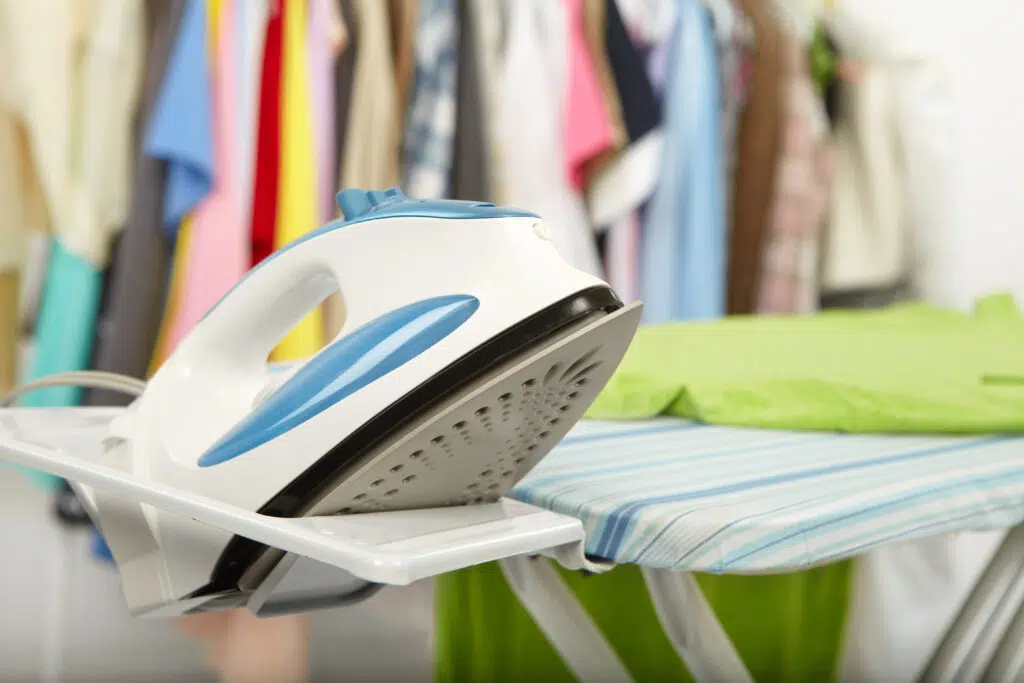
While irons are essential for many, this is not really an energy-efficient appliance. The high temperatures required to smooth out wrinkles on your clothes can lead to increased energy consumption. To save energy when you’re using it, plan ahead and iron clothes in batches. Use the right setting for each different fabric, and remember to turn it off when you’re not using it.
22. Coffee Maker


A warm cup of delicious coffee right in your home can be a delightful morning ritual. But if you’re making your coffee using traditional coffee makers, you are also wasting energy. The constant heating of the pot, even after the brewing cycle, can lead to unnecessary energy consumption. Make sure you save on your electricity bills by choosing coffee makers with auto-shutoff features. Or you can pour your coffee into a thermos to keep it warm without relying on the machine’s heating plate.
23. Cable Box

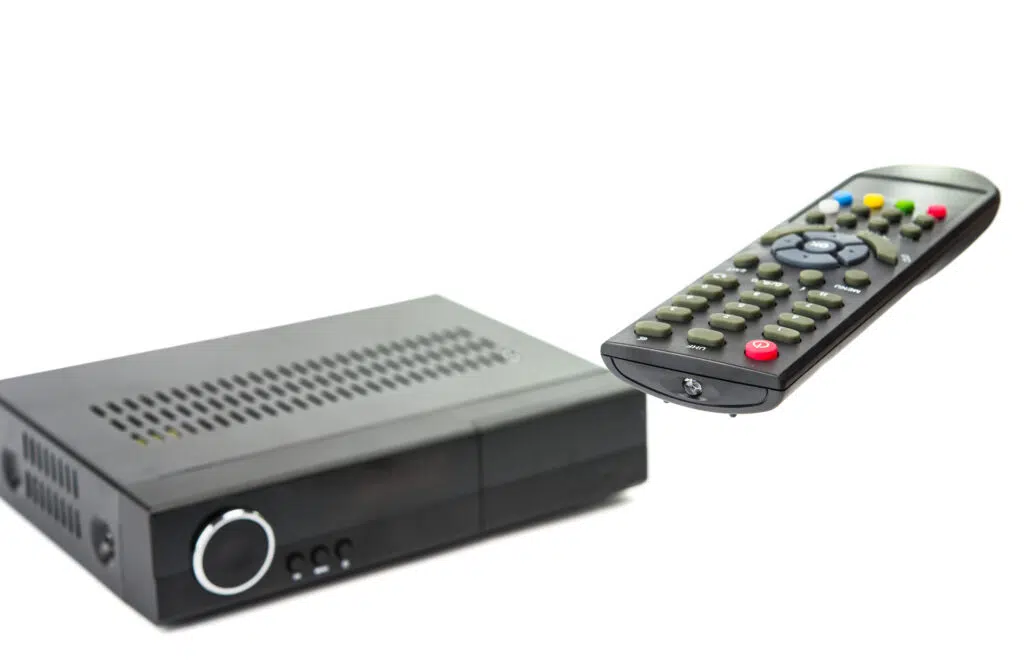
Cable boxes are notorious energy vampires since these devices are often left on standby and consume energy even when not in use. Even when your TV is turned off, these devices often continue to draw power. To curb their energy consumption, unplug them completely when not in use or use a power strip to easily cut off power to multiple devices.
24. Vacuum Cleaners

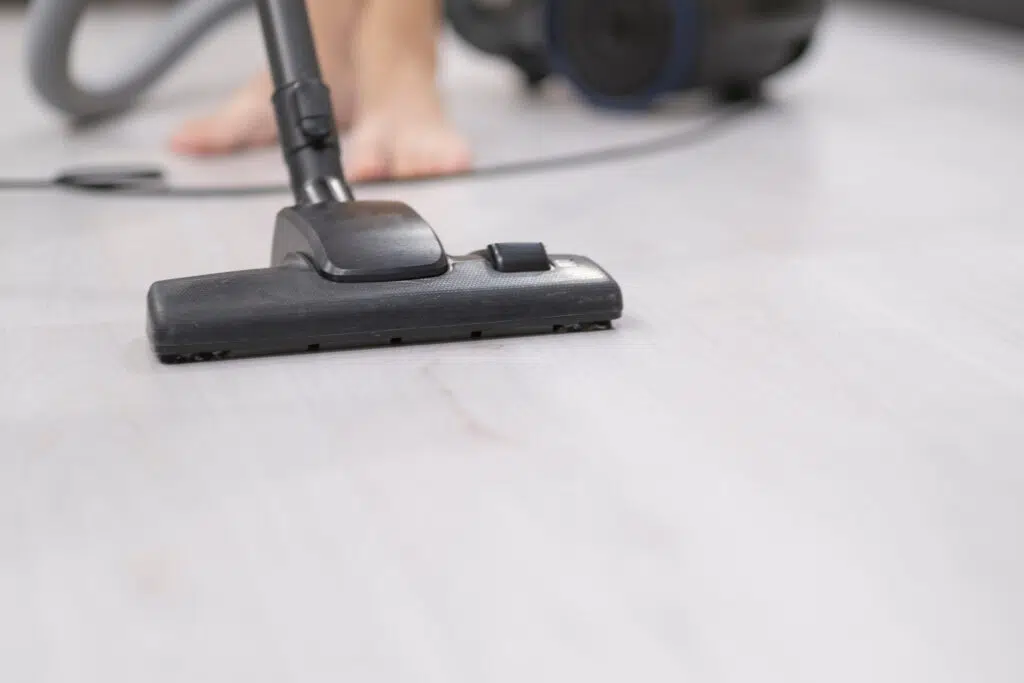
Vacuum cleaners are essential in maintaining a clean home, but yes, it’s one of those energy-wasting appliances too. Its powerful motors, fan power, and heating elements eat up a lot of energy. But with a few simple tips, you can minimize its energy consumption if you have the right attachments and avoid overloading that can strain the motor. It will also help if you break up your cleaning sessions into shorter ones to reduce the overall run time.
25. Chargers

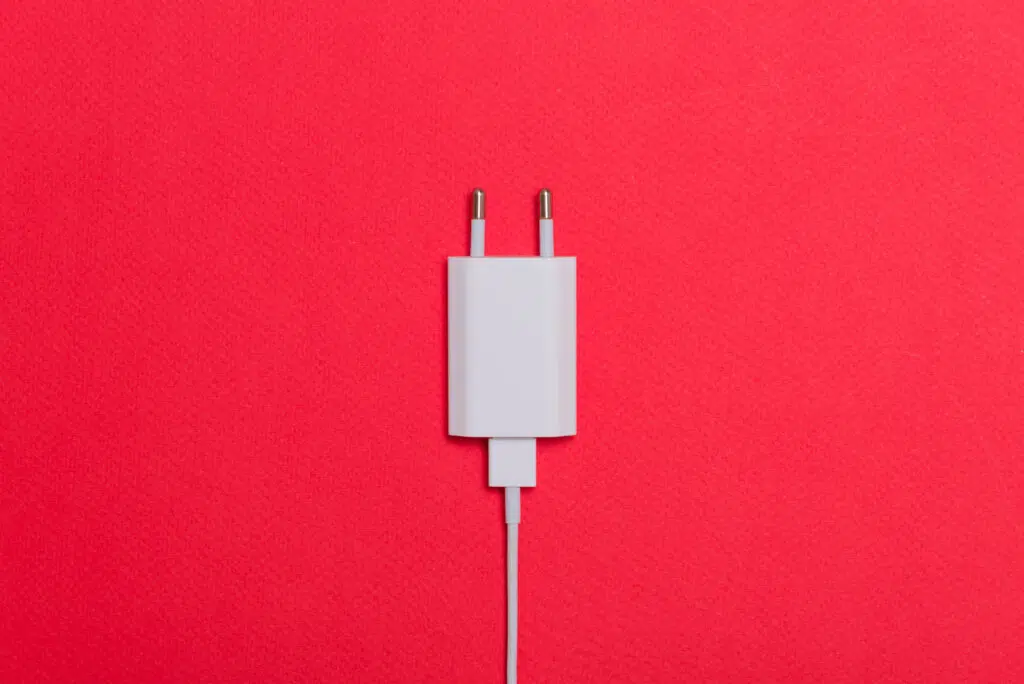
Even when your phone or laptop is fully charged, those chargers continue to draw power, a phenomenon known as “phantom power.” To curb this energy drain, unplug chargers when not in use or use a power strip with an on/off switch. This simple habit can significantly reduce your energy consumption and lower your electricity bill.
Taming the Energy-Hungry Monsters in Your Home


Let’s face it, our homes are full of energy-wasting appliances lurking in every corner. From your trusty fridge to your trusty phone charger, these appliances can silently drain your wallet. But fear not, for there are ways to tame these energy vampires and save some serious cash. Just be mindful of how you use your appliances and make simple changes. Now start rolling up your sleeves and start saving energy, one appliance at a time!