
The United States has a longstanding commitment to honor and support its military veterans, particularly those who have returned with disabilities incurred during their service.
Disabled veterans often face unique challenges as they transition from military life to civilian life, requiring specialized care and support to help them lead fulfilling lives.
In recent years, the U.S. government and various organizations have been working tirelessly to improve the quality of life for disabled veterans.
In this article, we will explore the initiatives, programs, and policies that help veterans have a better life after returning home.
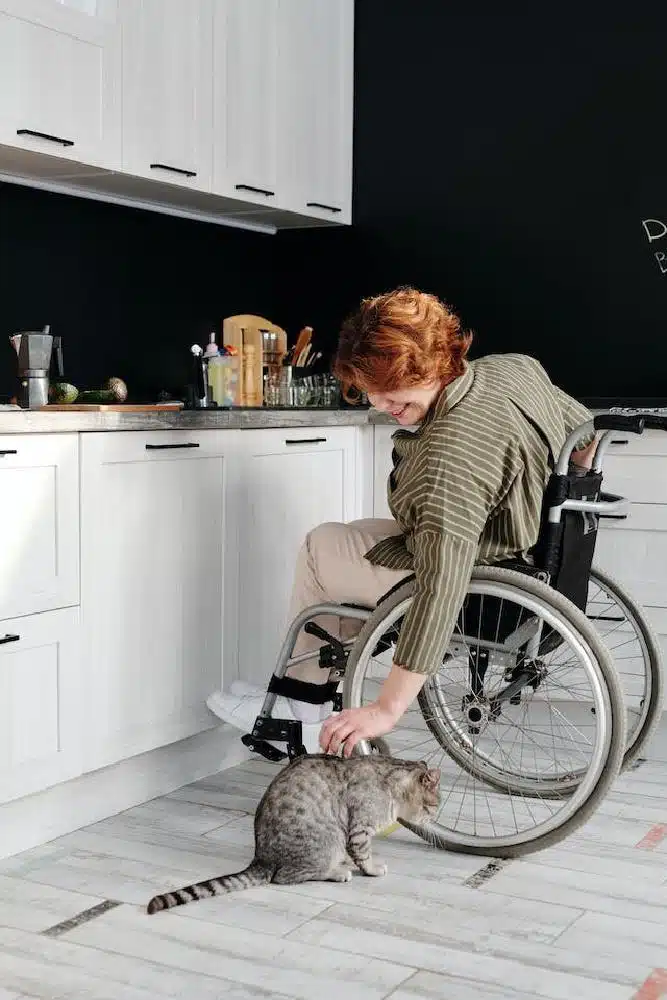
Benefits for US Veterans
Healthcare and Rehabilitation
Ensuring access to quality healthcare is vital in improving the lives of disabled veterans. The Department of Veterans Affairs (VA) provides benefits to veterans with disabilities. VA disability claims guides can be found online to help veterans through the process of filing a disability claim.
The VA operates an extensive network of medical facilities across the country, offering specialized care for physical and mental health conditions resulting from military service.
One of the key focuses has been on improving the rehabilitation programs for veterans with disabilities.
The VA’s rehabilitation services encompass physical therapy, occupational therapy, and vocational rehabilitation, aiming to restore the veterans’ independence and improve their overall well-being.
Additionally, mental health services, including counseling and therapy, are available to address the psychological challenges that disabled veterans may face.
Educational Opportunities
Recognizing the importance of education in helping disabled veterans, the U.S. government has implemented various programs to facilitate their pursuit of academic and vocational goals.
The Post-9/11 GI Bill is a significant initiative that provides financial support for education and housing expenses to eligible veterans. This bill has opened doors for disabled veterans to acquire new skills and knowledge, enabling them to reintegrate into civilian life successfully.
Furthermore, vocational rehabilitation programs offered by the VA assist disabled veterans in preparing for, finding, and maintaining suitable employment.
These programs are tailored to individual needs, taking into account the specific challenges posed by disabilities.
By providing educational and vocational opportunities, the U.S. is investing in the personal development of disabled veterans and contributing to their economic empowerment.
Employment Support
Transitioning from military service to the civilian workforce can be very challenging, especially for disabled veterans. To facilitate this transition, various employment support programs have been established.
The U.S. Department of Labor’s Veterans’ Employment and Training Service (VETS) focuses on helping veterans, including those with disabilities, find meaningful employment.
Moreover, initiatives like the Disabled Veterans’ Outreach Program (DVOP) and Local Veterans’ Employment Representatives (LVER) connect disabled veterans with job opportunities and provide employment-related assistance.
Employers are encouraged to participate in these programs to create a more inclusive and supportive workplace environment for disabled veterans.
Housing Assistance
Stable housing is fundamental to a veteran’s overall well-being, and the U.S. government has implemented programs to address housing challenges faced by disabled veterans.
The VA offers a range of housing assistance programs, including grants for home modification, specially adapted housing, and temporary housing for homeless veterans.
The Specially Adapted Housing (SAH) program provides grants to eligible disabled veterans for the construction or modification of homes to accommodate their specific needs.
This initiative ensures safe and accessible housing and promotes independence and a higher quality of life for disabled veterans.

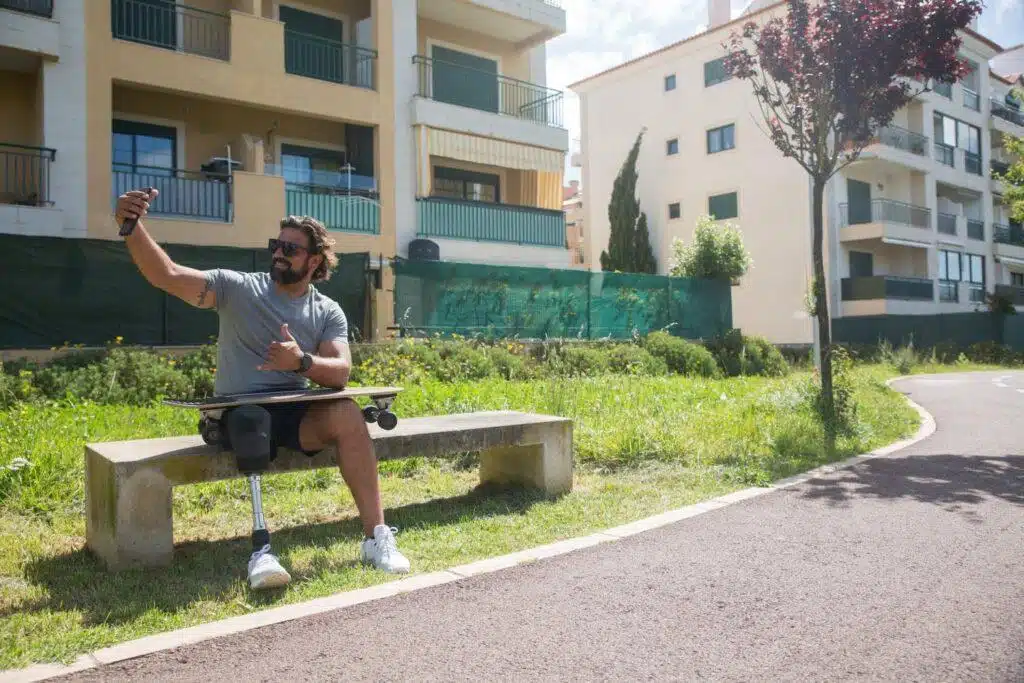
Community Support and Awareness
Beyond governmental initiatives, various non-profit organizations and community-driven efforts contribute significantly to improving the lives of disabled veterans.
Organizations such as the Wounded Warrior Project, Disabled American Veterans, and Fisher House Foundation offer a wide range of support services, including financial assistance, counseling, and community engagement activities.
Public awareness campaigns also play an important role in fostering understanding and support for disabled veterans.
Events like Veterans Day and initiatives promoting the hiring of veterans contribute to changing societal perceptions and recognizing the valuable contributions of disabled veterans.
Challenges and Future Considerations
While considerable progress has been made in improving the lives of disabled veterans, challenges persist.
The backlog of disability claims within the VA, issues related to mental health stigma, and the need for increased accessibility to healthcare services are areas that demand ongoing attention and improvement.
Looking ahead, continued collaboration between government agencies, non-profit organizations, and the private sector should be of utmost importance.
Comprehensive policies addressing the evolving needs of disabled veterans, including advancements in medical technology and mental health care, will further enhance their overall well-being.
Conclusion
The United States is committed to honoring the sacrifices made by its disabled veterans by continually improving support systems and initiatives.
From healthcare and rehabilitation to education, employment, and housing assistance, the U.S. government, alongside non-profit organizations and communities, strives to create an encouraging environment for disabled veterans to live a dignified life post-service.
As the nation continues its efforts to improve the lives of disabled veterans, it is important to maintain a collective commitment to supporting those who have bravely served their country.
By fostering inclusivity, awareness, and comprehensive support systems, the U.S. aims to ensure that disabled veterans can lead fulfilling lives and contribute meaningfully to their communities.