
Table of Contents
- Ensure Safety First
- Stop the Water Source
- Turn Off Electricity
- Document the Damage
- Remove Excess Water
- Dry and Dehumidify
- Contact Professional Restoration Services
- Prevent Future Water Damage

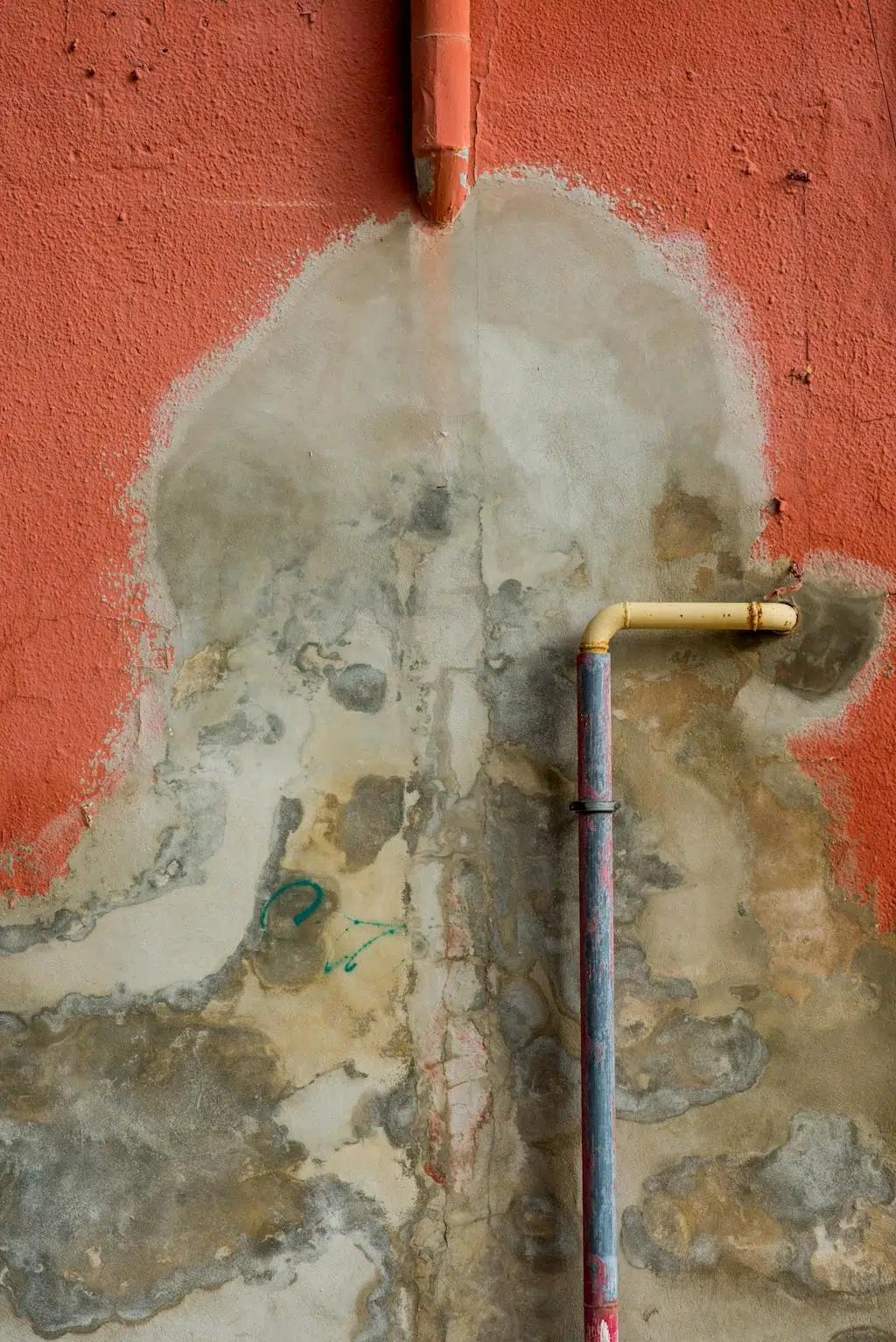
Water damage can happen suddenly, threatening the structural integrity of your property and putting your belongings at serious risk. Acting quickly and following the correct steps is crucial to limit long-term effects and costly repairs. Should you encounter a serious incident, calling a water damage restoration team immediately can make a significant difference in the recovery process. This guide details the immediate actions to take when confronted with water damage, ensuring you can protect both your safety and your property.
Successful water damage response involves more than just cleanup: safety comes first, followed by a series of essential steps to contain and assess the situation, then to restore and protect your home from future incidents.
Understanding these key steps empowers homeowners and building managers to coordinate effectively, minimize losses, and make informed decisions during a stressful time. Whether caused by appliance failure, heavy storms, or burst pipes, the right emergency response can mean the difference between a quick recovery and a major disaster.
Keep in mind that even after an initial cleanup, hidden threats like mold can linger, making professional help critical. Addressing water damage correctly from the start is essential for both short-term safety and long-term property health.
Ensure Safety First
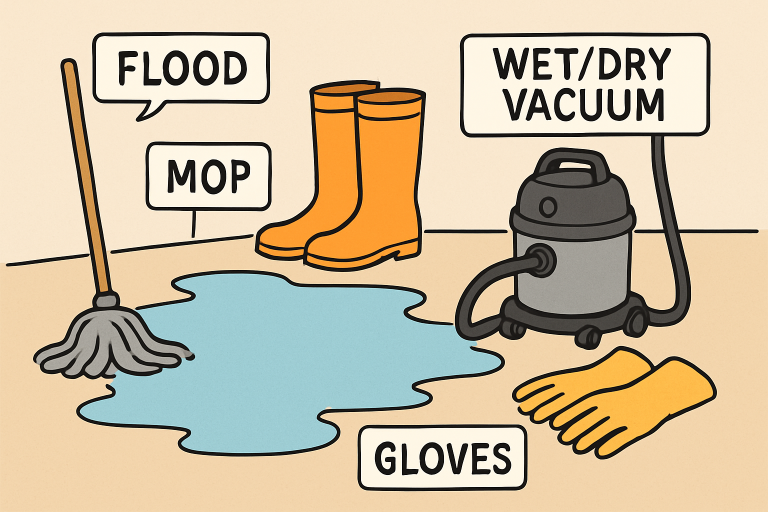
Your safety should always be the top priority in any water damage emergency. If the damage is extensive, involves contaminated or sewage water, or if any structural concerns arise (such as sagging ceilings), evacuate the area immediately. According to House Beautiful, homeowners should also be mindful of hidden risks, such as weakened foundations and electrical hazards, when addressing such situations. Never attempt to access areas with submerged electrical outlets, wires, or appliances. Personal protective equipment, such as waterproof boots, gloves, and masks, should be used if you must enter the affected zone.
Stop the Water Source
Quickly identifying and stopping the water source prevents further flooding and damage to property. For plumbing failures, shut off the property’s main water supply as soon as possible. If the water intrusion is caused by natural events (such as heavy rainfall), focus on minimizing exposure by sealing leaks with tarps or relocating valuables out of the water’s path. Delaying this step can lead to severe structural issues and increased repair costs.
Turn Off Electricity
Water and electricity are a dangerous mix. If you can access your circuit breaker safely, turn off electricity to the flooded part of your home. Never enter standing water unless you are certain all power to the area is disconnected—this is a critical safety step, as contact with live electrical currents can have fatal consequences. In situations where you are unsure, wait for emergency responders or licensed electricians to handle the shutoff process.
Document the Damage
Thorough documentation is essential when filing insurance claims and for coordinating repairs. Use your smartphone or camera to take photos of all the water-affected areas, damaged belongings, and the water source, if identifiable. Record videos for a comprehensive perspective and make written notes about the timeline of events. Store all receipts, work estimates, and correspondence related to repairs and emergency services.
Remove Excess Water
If authorities or professionals have deemed it safe for you to re-enter the area, act quickly to remove any standing water. Mops, buckets, towels, and wet/dry vacuums can all help in extraction. The faster you remove pooling water, the less likely structural damage, warping, or mold growth will occur. Take extra caution if the water appears contaminated; you may need to wait for professional intervention.
Dry and Dehumidify
After excess water is extracted, the next crucial step is thoroughly drying the area. Use high-powered fans, dehumidifiers, and open windows if the weather permits. Drying must be completed within 24 to 48 hours to prevent mold, as outlined by the Environmental Protection Agency’s mold prevention guide. Remember, what feels dry to the touch can still harbor hidden moisture under floors or inside walls, which only professional-grade instruments can properly detect.
Contact Professional Restoration Services
Severe or widespread water damage generally requires the expertise of certified restoration professionals. Restoration specialists offer comprehensive services, including advanced drying, mold remediation, structural repair, and damage assessment. Bringing in qualified help as soon as possible limits additional harm and accelerates your journey back to normalcy.
Prevent Future Water Damage
Safeguarding your property from future incidents involves ongoing attention and maintenance. Inspect pipes, appliances, and the roof regularly for minor leaks or wear. Ensure your gutters and landscape drainage systems lead water away from the structure. Consider installing automated water leak detectors to provide early warnings of leaks or failures. Proactive maintenance and quick fixes are your best defense against another emergency.
Following these emergency water damage response steps can help you secure your property, ensure your safety, and limit ongoing disruptions. Creating an emergency plan and reviewing it regularly with family members or employees can expedite your reaction and keep everyone safe in the event of a water-related disaster.