
Many would think that eating healthy is really expensive and use that as a common excuse to tuck in to that extra slice of ready made pizza, because let’s face it; it’s always going to be cheaper than local produce.
Nevertheless, there are several ways you’re able to maintain your weight or even hit those diet macros without breaking the bank by keeping the following handy tips in mind.
With the ever-increasing cost of living, it feels that even those who were once living comfortably are now feeling the pinch.
This makes eating healthily an even bigger challenge, particularly if you lead a hectic lifestyle.
Which is why the first thing on your ‘To Do’ list should include planning a solid nutrition action plan that makes sense for you.
The second thing should be to manage your money mindfully. It’s not like you have money to spare or have just won the lotto. But, if you do have a little time to spare and enjoy a fun online casino game, it’s worth checking out NoDepositExplorer – home of the biggest no deposit bonuses.
It might be your lucky day and you may win a bit of extra money… Worth a shot, right?
Eating clean allows you to stock up on the essential vitamins and nutrients your body needs, which in turn will give you more energy and leave you feeling better.

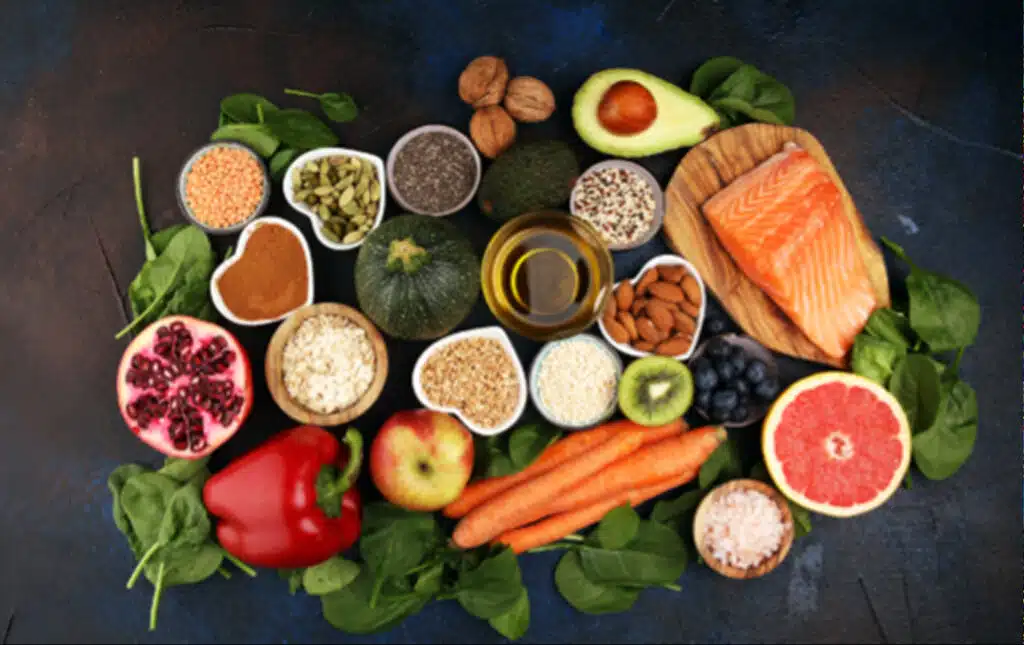
If you’re still not sure where to start from, we’ve got you – but before we get right in there, let’s take a moment to discover what eating clean is actually all about.
What Is Clean Eating?
In order to really focus on what your eating goals need to be, you need to understand the basics first. Essentially, clean eating food groups include the following:
- Nuts and seeds
- Whole grains and beans
- Fresh fruits and vegetables
- Natural oils
What Is a Clean Eating Food Plan?
Once you’ve successfully identified your clean eating items, your food plan will combine these delicious ingredients into various gorgeous meals.
The main benefit here is that you’re in a position to create variety that will make things less boring in the long run, while also allowing you to stay in check with your clean eating goals.
To make the most out of this, you’re going to want to pick foods that are as natural as possible, while trying to steer as far as possible from the following food groups:
- Fast food
- Microwave ready meals
- Processed foods
- Pastries, cakes, and cookies
- Chocolates and other processed sugar items
With this in mind, you’re able to move on to creating your clean eating plan – but is it really able to come together while sticking to a budget? That’s what we’re here to find out.
Clean Eating Budget Friendly Foods
Picking the right ingredients could be what makes or breaks this project, both in terms of budget as well as in terms of health benefits.
Knowing which foods to pick up next time you go to the supermarket allows you to stock up your pantry suitably, while also being in a position to create quick, healthy meals for yourself or for your family for the rest of the week.
Some kitchen staples in this case include:
- Oats
- Dried or canned beans and lentils
- Peanut butter
- Frozen or fresh vegetables
- Tinned tomatoes
- Sweet potatoes
- Brown rice
- Barley
- Quinoa
- Apples
- Wholewheat pasta
- Wholewheat bread
- Bananas
- Canned tuna
- Eggs
- Greek yoghurt
- Stevia or honey
Tips For Saving Money While Still Eating Clean
To be successful with your new diet regime its really important to take the time to decide on a basic routine that you’re planning on following for the next couple of weeks or months.
In this way you’re able to manage your nutritional expectations while still remaining in the clear when it comes to finances.
Here are a couple of useful pointers.
Stock Up on the Right Ingredients
The first step to smashing your goals is to stock up on some of the food items we’ve just mentioned. There’s no need to invest in bee pollen or some exotic berry from God knows where in order to meet your nutrition goals.
Additionally, by opting for frozen or tinned foods you’ll never have to bother with expiry dates for a while, while keeping a stash of healthy foods at arm’s length will ensure that you won’t be snacking on the wrong stuff whenever the munchies strike.
Drink More Water
At some point there’s a good chance that someone’s mentioned the importance of keeping hydrated.
Drinking more water instead of alternative drinks like sofa or coffee not only can reduce your risk of obesity but is also essential for healthy skin, optimal digestion, and brain function.
Instead of spending money on sugary drinks, consider consuming reasonably priced water instead, that you’re able to flavor with fresh fruits or vegetables if you really must.
Also preparing your own coffee at home helps you cut down on additional. sugars while also saving that extra cash.
Plan Your Meals
When it comes to saving money, having a defined list of what you’re going to buy and those items you should stay away from is important.
Pick a day of the week as your official planning day which will help you forecast what you plan on cooking and eating for the rest of the week.
Make sure that you’ve already checked your fridge and cupboards in order to avoid buying stuff twice, while also keeping in mind that food does expire even though it’s tinned or frozen, so you might want to be including some of that frozen mango you bought ages ago into next week’s plan just to make sure you keep waste to a minimum and your pantry items always refreshed.
Meal Prep at Home
This one might seem obvious, but cooking at home is always going to be cheaper than dining out, especially when it comes to healthy food.
As a general rule, you’re able to feed a family of four for the same price you might pay for one or two people in a restaurant.
Apart from that, pre-sliced veggies and fruits might also work out a little more expensive in the long run, so you’re going to want to do most of the slicing and dicing yourself if you’re adamant on keeping the cost down.
Some people prefer batch cooking for the entire week over the weekends, while others prefer to prepare a meal per day.
Whichever system you choose is entirely up to you, but knowing what ingredients you plan on using each week will save you from throwing out that two-week old broccoli which never quite found its way into your weekly menu because you never planned to use it in the first place.
Never Shop When You’re Hungry
And lastly, this might be one of the most important rules to keep in mind when trying to remain within a budget.
Never, ever shop when you’re hungry as this is the easiest way to stray away from your original grocery list and purchase several processed, sugary or processed items on impulse.
To avoid this, we’d recommend snacking on some Greek yogurt or a piece of fruit before hitting those supermarket aisles in order to avoid picking up stuff you don’t actually need while running up your grocery bill at the same time.