
If you asked anyone a decade ago whether a digital, decentralized currency would alter the global financial ecosystem, they would probably dismiss it as a fanciful dream.
Yet, as we surpass the first decade of Bitcoin’s existence, the MasterCard’s Global Consumer Leger conducted in 2020 revealed a 40% annual increase in the use of digital currencies globally.
There is no denying that digital currencies are here to stay.
For those who are completely new to this topic and want to understand what it’s all about, we’ve compiled a step-by-step guide to the world of Bitcoin and cryptocurrencies.
What Is Bitcoin?
Bitcoin is a type of digital currency that is decentralized and independent of any governmental entity or financial institution.
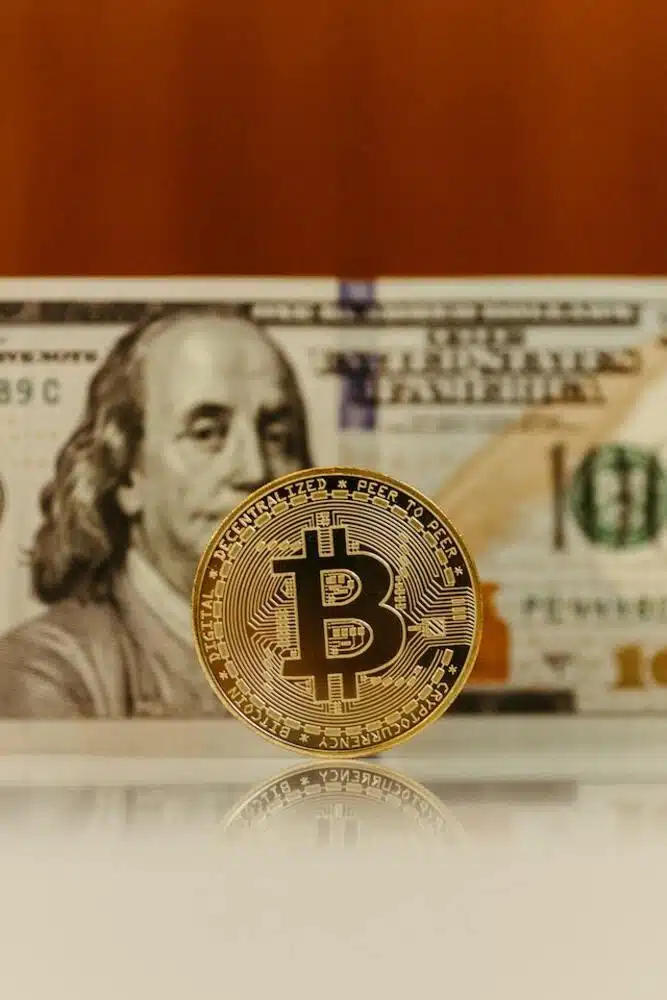
It has brought about revolutionary changes in transactions and financial exchanges due to its convenience, security, and lower transaction fees.
Why Are People Investing In Bitcoin?
Many factors have contributed to the increasing popularity of Bitcoin. It offers a level of anonymity that is often desirable for online transactions.
Furthermore, Bitcoin transactions can be more cost-effective and faster than traditional bank transfers.
Lastly, given its finite supply, many see Bitcoin as a type of “digital gold” in terms of value storage.
Navigating Through The Bitcoin Ecosystem
In the Bitcoin ecosystem, one of the essential tools you will come across is a Bitcoin Wallet. It’s a digital space where Bitcoins are stored and transactions are made.
Moreover, you will also need to understand Bitcoin mining, also known as the process of verifying transactions and adding them to the public ledger, known as the blockchain.
How To Start Using Bitcoin?
Before investing in Bitcoin or any other cryptocurrencies, familiarize yourself with blockchain and other related terms. Understanding the concepts behind Bitcoin can help you make informed decisions.
To start using Bitcoin, begin with these simple steps:
Step 1: Get a Bitcoin Wallet – can be a hardware wallets or software wallet.
Step 2: Buy Bitcoin from someone you know, through an exchange, or via Bitcoin ATMs.
Step 3: Bitcoin Security – employing secure transactions, multiple layers of protection, and enabling multi-factor authentication are good practices.
Using Bitcoin In Everyday Life
The practicality of spending Bitcoin in everyday life depends on the acceptance of Bitcoin.
The acceptance of Bitcoin is broadening, with companies ranging from travel providers to online services allowing users to pay with Bitcoin. As it reaches mainstream acceptance, consumers will have more possibilities to use it in their everyday lives.
Did you know that more and more digital platforms and service websites are starting to accept Bitcoin as a form of payment?
For instance, bitcoincasino.us, a gaming platform, has joined the Bitcoin revolution for safe, secure, and anonymous transactions.
Whether you want to try Bitcoin for shopping, donating, or any online transaction, Bitcoin allows users to maintain their privacy and security, two major elements that are often vulnerable in the digital world.
Is Bitcoin The Future Of Money?
The full potential of Bitcoin or any other cryptocurrency is yet to be realized fully. While there are many talks about its prospective downsides, one cannot deny that Bitcoin has already given us a glimpse of possible disruptions to conventional financial institutions and cash transactions.
Bitcoin may not fully replace regular money, but it certainly speaks of a swiftly evolving world of finance.
As with any notable change, there are numerous benefits to be had, but also various risks and challenges to understand.
Bitcoin is no different, and anyone considering investing or trading in it should educate themselves and seek advice from trusted financial advisors.
Conclusion
Whether the growing trends in the digital currency revolution are here for the long haul is a debate for another discussion.
However, its influence and the revolution it has brought about cannot be denied.
Its increasing acceptance across different platforms proves the undeniably progressive step the world is taking in digital transactions.
So why not get ahead and take the leap into the e-currency revolution?