
Do you often feel like life is a never-ending juggling act? Do you frequently have trouble concentrating? Maybe you procrastinate and do everything at the last minute.
If you’ve answered “yes” to these questions, you may or may not have adult ADHD.
That’s right – even the Six-Question Screen for ADHD endorsed by the World Health Organization cannot tell you with absolute certainty whether you have the condition or you’re simply overwhelmed with the modern, stressful life.
However, what is true is that ADHD affects about 5% of all American adults, but less than 20% of them are aware they have it.
Women with ADHD, in particular, often live undiagnosed. Why is that, you ask?
It’s a tricky subject, so there is no simple answer, but in short, ADHD was traditionally thought to affect primarily young boys and men.
On top of that, women tend to have less obvious disruptive symptoms – or they develop better coping strategies to mask their symptoms.
If you suspect you may have ADHD, keep reading because, in this article, we delve into the commonly overlooked symptoms of this condition and discuss why they may differ in women.

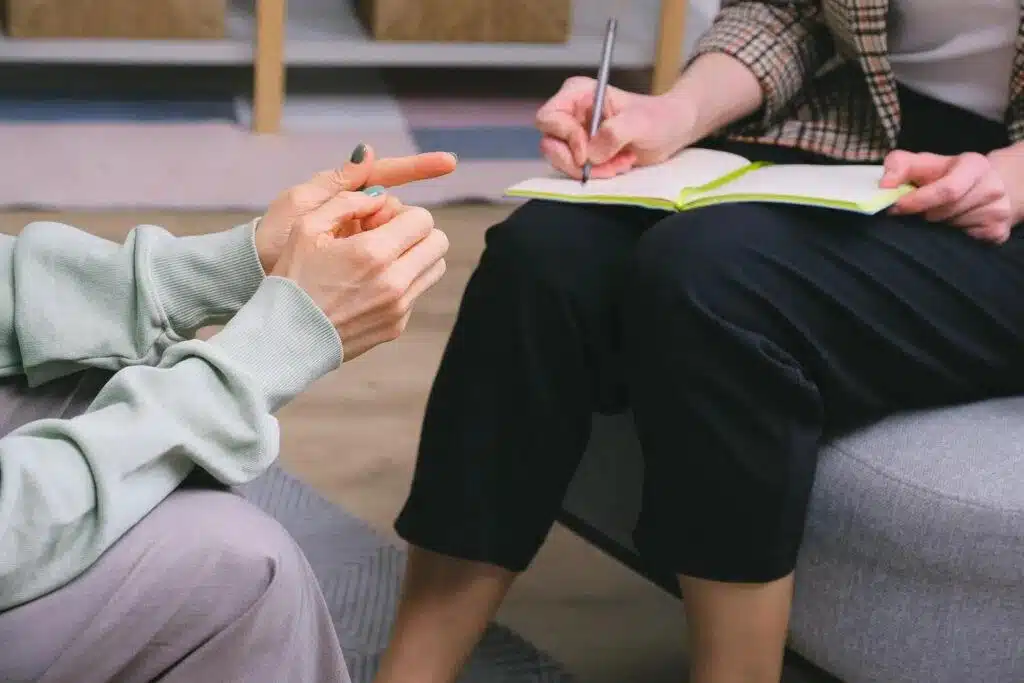
ADHD in Women
Before we talk about adult ADHD signs, it’s important to note that in women, the symptoms are often more subtle and, therefore harder to catch than they are in kids.
Furthermore, ADHD usually presents differently in women. Let’s delve a little deeper into this because it’s important.
There are three types of ADHD: hyperactive or impulsive, inattentive, and mixed. Most men with the disorder have hyperactive or impulsive symptoms (fidgety, disruptive, impulsive, etc.), which is why, for so long, women with ADHD would go undiagnosed or misdiagnosed: the hyperactive/impulsive type was considered the norm.
However, women with ADHD often exhibit inattentive-type symptoms, which can make schoolwork and work hard to manage.
This is not to say that women with ADHD cannot have hyperactive/impulsive-type symptoms, just that the inattentive-type signs are more common.
With that all being said, what are some of the commonly overlooked signs of ADHD in women?
ADHD Signs in Women
- Organization and time management problems
If you’re always running late, underestimating the time you need to complete your projects, or are frequently procrastinating, it may not simply be a matter of poor time management. This is especially true if you also have trouble organizing your tasks and projects and setting priorities.
- Hard-core forgetfulness
Forgetting not-that-important appointments and deadlines, or even the occasional grocery item once in a while is quite common and not a definite sign of ADHD. But if you constantly misplace or lose things, or forget to complete important tasks, it could be more than simple absentmindedness.
- Easily distracted by… everything
If you find yourself frequently distracted by your surroundings or even your own thoughts, so much so you have trouble focusing on the task at hand, you may have ADHD.
- Relationship struggles
If you’ve noticed that you have a pattern of inability to maintain long-term relationships, whether romantic or otherwise, due to communication problems, impulsivity, or emotional outbursts, this could be a sign of ADHD.
- Chronic restlessness
Do you constantly fidget, tap your foot, or have the urge to stand up during meetings? While you could simply have a restless personality, many adults with ADHD often feel jittery and have trouble staying still and quiet. While women with ADHD are less likely to exhibit these symptoms, they’re not immune to them.
- Impulsive-decision making
Do you frequently find yourself making spur-of-the-moment decisions, especially when it comes to spending money, changing jobs, or ending relationships? Impulsivity is a key feature of ADHD in adults, which can result in financial and relationship difficulties. Again, women are less prone to these types of symptoms, but they’re still very much possible.
- Feeling overwhelmed
Last but not least, if you often feel behind in life or overwhelmed by life’s demands, even when others around you seem to handle them easily, it could be a sign of undiagnosed ADHD.
When to See a Therapist
You’ve checked out the symptoms, recognized a few in yourself, and are wondering what to do next.
We’re here to tell you that nothing you read online can replace a proper diagnosis by a healthcare professional.
When it comes to addressing ADHD, it’s best to speak to a professional in person. For example, if you live in Jacksonville, you want to see a therapist in Jacksonville who actually specializes in ADHD and can help you treat it.
In addition to psychotherapy, you may also benefit from medication, especially if your condition is disrupting your everyday life.
Remember, it’s never too late to get the support you need, and you’re not alone in this journey – there are hundreds of thousands of women like you out there.