
Key Takeaways
- Early planning can significantly reduce stress and help secure your child’s educational future.
- There are several savings strategies and government programs that parents can leverage to save for education costs.
- Understanding current trends in education financing can help parents make better financial decisions.
- Small, consistent contributions can have a major impact over time due to the power of compounding.
- Resources and support are available nationwide to help parents navigate the process.
Table of Contents
- Why Education Planning Matters
- Surveying the Costs of Higher Education Today
- Popular Strategies for Parents to Save
- Government Incentives and Support
- Tips for Getting Kids Involved in Saving
- Creating a Savings Plan That Works for Your Family
- Frequently Asked Questions
- Resources for Further Reading
Why Education Planning Matters
Providing a strong educational foundation is one of the most impactful long-term gifts a parent can offer. As tuition and other education-related expenses escalate, having a dedicated plan in place is essential for minimizing stress and ensuring your child’s access to meaningful opportunities. Not only does early planning help offset future costs, but it also contributes to your child’s sense of security and confidence about their post-secondary options.
One effective approach for Canadian families is to leverage the Benefits of an RESP. A Registered Education Savings Plan helps you save for your child’s future while qualifying for government grants and investment growth. By understanding the long-term advantages and government support tied to RESPs, parents can get a significant boost in reaching their financial goals.
Surveying the Costs of Higher Education Today
The financial reality of higher education can be daunting. According to the latest statistics, the price of tuition in North America continues to outpace inflation, with ancillary fees, housing, textbooks, and living costs adding thousands more to annual budgets. Without steady preparation, families may find themselves relying on high-interest debt, diminishing the overall return on investment in education.
Accounting for the full spectrum of costs—including residence, commuting, supplies, and even internships—helps families avoid surprises. The earlier you start assessing and projecting expenses, the more flexibility you gain to pursue scholarships, explore affordable options, and plan contributions effectively.
Popular Strategies for Parents to Save
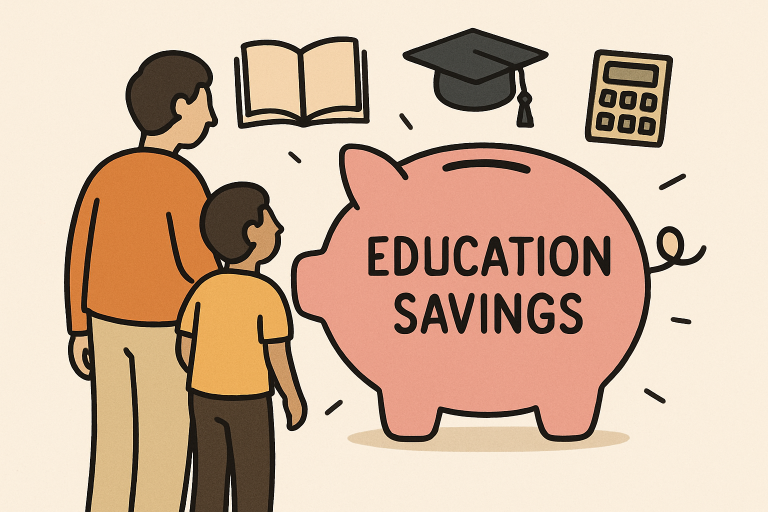
- Setting Up a Dedicated Education Savings Account: Isolating savings for education can prevent these funds from being used for other urgent needs and builds discipline into your budgeting practices.
- Automated Monthly Contributions: Setting up recurring deposits—no matter how modest—leverages the power of compound interest to yield greater returns over time.
- Encouraging Monetary Gifts: Rather than gifts of toys or clothes, guiding family and friends to support your child’s education fund can accelerate savings growth and model financial prioritization.
- Researching Scholarships Early: Some academic, athletic, and artistic scholarships are available years before high school graduation. Researching and applying early can yield substantial benefits.
Families who implement a multipronged approach—blending savings, scholarships, and government incentives—are more likely to cushion education costs fully. It’s also helpful to follow reputable financial outlets like the New York Times Your Money section for ongoing tips and trends in education financing.
Government Incentives and Support
Federal and provincial governments provide a robust network of funding and support for future students. In Canada, parents can access matching grants and tax advantages offered by RESPs, making each dollar saved potentially worth even more. Familiarizing yourself with programs such as the Canada Education Savings Grant (CESG) or provincial savings initiatives can make a considerable difference in the final amount available when your child is ready for post-secondary education.
For further details, see the official government guide to Registered Education Savings Plan (RESP) Guidelines, which explains eligibility, grants, and the withdrawal process in depth.
Tips for Getting Kids Involved in Saving
Instilling financial literacy from a young age helps children understand the value of both savings and education. Parents can nurture responsible habits and a sense of pride in contributing to their own futures.
- Open a joint account and track savings together, highlighting milestones.
- Set specific goals and offer small rewards for reaching benchmarks, such as saving enough for a semester’s worth of textbooks.
- Discuss the real-world costs of education—like tuition, laptops, and extracurriculars—to make the goal tangible for your child.
- Encourage teenagers to save part of their summer earnings or allowance, reinforcing dedication and responsibility.
These strategies make the abstract goal of saving for education more concrete and can foster greater motivation and family unity.
Creating a Savings Plan That Works for Your Family
Each family comes with its own financial dynamics, priorities, and pressures. Successful education savings plans are those tailored to your unique situation—balancing immediate needs with long-term goals. Start by evaluating your current debt, income, and other savings priorities. Choose a realistic monthly contribution and track your progress with budgeting tools or mobile apps. Remember, flexibility is key: review your plan annually and make adjustments based on changes in education costs, income, or your child’s evolving ambitions.
Planning not only builds a sound financial foundation for your child, but it also models foresight, responsibility, and optimism—values that will serve your child for a lifetime.
Frequently Asked Questions
- Is it ever too late to start saving? – It’s never too late. Even small contributions in the final years before college or university can offset costs and reduce debt burdens later on.
- Are there programs that assist lower-income families? – Absolutely. Government grants and bursaries are specifically designed to ensure access to education for every child, regardless of family income.
- Should children contribute themselves? – Inviting children to participate, even in small ways, builds decision-making skills and deepens their appreciation for the value of education.
Conclusion
Planning for a child’s education requires foresight, discipline, and a commitment to consistent saving. By setting clear financial goals, exploring investment options, and taking advantage of tax-advantaged accounts, parents can reduce future stress and create stability. Regularly reviewing progress ensures the plan remains adaptable to changing circumstances. With thoughtful preparation and the right strategies, families can ease the burden of rising educational expenses while giving children the opportunity to pursue their academic dreams with confidence.