
This is about something really important – cat food. As cat parents, we all want the best for our furry friends, including their diet.
But with so many choices, figuring out what to feed your cat can be tricky. In this chat, we’ll review some key facts about cat food that every cat owner should know.
We’ll talk about the different nutritional needs of kittens and adult cats, potential health issues related to feeding habits, and even what cat food tastes like. So let’s get started!
What’s The Best Food For Adult Cats And Kittens?
Well, kittens and adult cats have different nutritional needs, so they need food that’s made just for them.
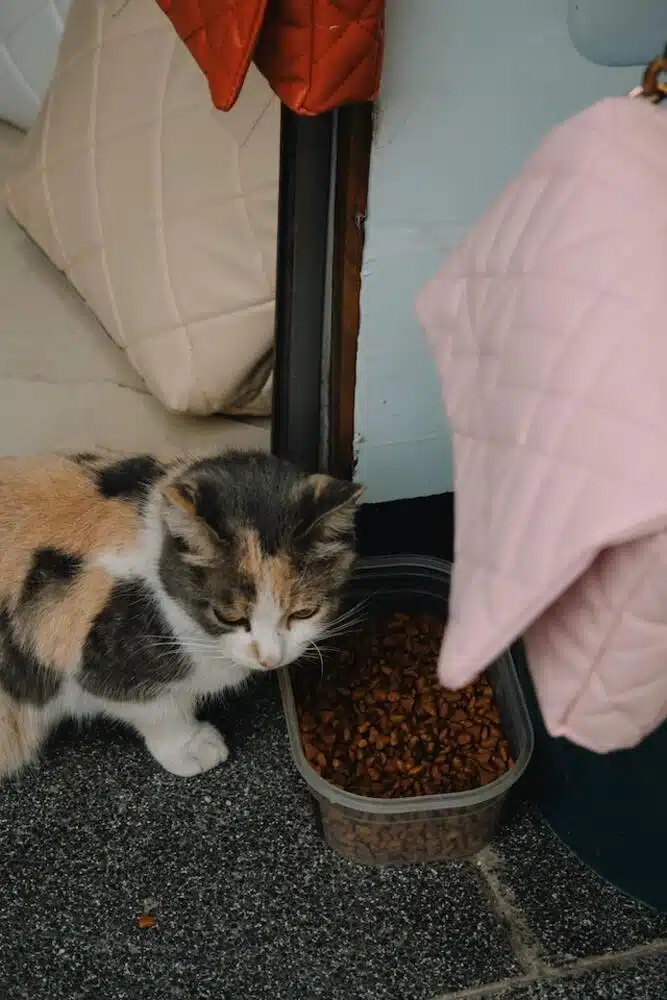
Kittens need food that’s high in protein and fat to help them grow. They also need certain nutrients like DHA for brain development that are found in their mother’s milk. Kitten food is made to have these nutrients. Feeding kittens this special kitten food is usually recommended until they are one year old.
Adult cats need a balanced diet of proteins, fats, and carbohydrates. Protein is especially important for cats because they are obligate carnivores. This means they need certain nutrients that are only found in meat. Adult cat food is made to keep them healthy and in good shape. It has all the necessary nutrients but in different amounts than kitten food.
When picking out cat food, it’s important to look for products that meet the Association of American Feed Control Officials (AAFCO) standards.
This makes sure the food is nutritionally complete and balanced. You can get yourself the best brand of cat food available in Sri Lanka if you order online from this website.
Good adult cat brands include Open Farm, Smalls Cat Food, and Purina Beyond Grain-Free Formula. It’s best to ask a vet for specific brand recommendations for kittens.
Every cat is unique and may have specific dietary needs based on their health, age, and lifestyle. It’s always a good idea to talk to a vet before making big changes to your pet’s diet.
Can Cat Food Make Dogs Sick?
Yes, cat food can potentially make dogs sick. While a small amount of cat food might not cause immediate harm, eating it regularly can lead to health issues. Here’s why:
High Protein Content: Cat food has more protein than dog food. Over time, this extra protein can strain a dog’s kidneys.
High Fat Content: Cat food also has more fat than dog food. This can lead to obesity in dogs.
Lack of Canine-Specific Nutrients: Cat food is made for cats, not dogs. A diet mostly made up of cat food can lack certain nutrients that dogs need, potentially leading to malnutrition.
If a dog eats a lot of cat food, it might throw up or have diarrhea. This is because a dog’s digestive system isn’t made to properly break down the ingredients in cat food.
If your dog regularly eats cat food and shows signs of discomfort or illness, it’s best to talk to a vet. As a general rule, feeding pets food specifically made for their species is recommended.
Can Cat Food Can Go Bad?
Well, it can. Both dry and wet cat food can spoil. Here’s how you can tell:
Water on the Surface: If there’s a lot of liquid or a puddle on top, your cat food might be bad.
Texture: If the food has lumps or chunks or is hard to stir, it might start to spoil.
Smell: If your cat food smells sour, yeasty, or just off, it’s probably spoiled.
Mold or Discoloration: If you see any pink, gray, or fuzzy patches on your cat food, it’s time to throw it out.
Taste: Spoiled cat food will taste sour and not very pleasant.
Container Appearance: If the plastic container looks warped, the cat food might have been exposed to heat or humidity and could be bad.
The “best by” date on the cat food packaging is often six months after production.
After this period, the quality of the food and nutritional value may degrade over time. Both wet and dry cat food should not be left out for long: no more than 4 hours for wet food and 36-48 hours for dry food.
If you’re unsure if your cat food is still good, it’s better to be safe and throw it out. Always talk to a vet if you have concerns about your pet’s diet.
What Does Cat Food Taste Like?
The taste of cat food can vary a lot depending on the type and quality of the product:
Raw Cat Meat: If you’re feeding your cat raw meat, it likely tastes mild with a hint of blood’s metallic mineral taste.
Canned Cat Food: Generally, cheaper canned cat food has a bland, fishy taste, while higher-quality products taste more like meat baby food.
Dry Cat Food: Low-quality dry food tastes salty and mildly savory, while higher-value brands will have a stronger meat influence.
Please note that these descriptions are based on accounts from people who have tasted cat food out of curiosity.
It’s important to remember that cat food is made for cats, not humans. The nutritional needs and taste preferences of cats are very different from ours.
Conclusion
So, to wrap things up, getting to know cat food is a big part of being a good cat parent.
From understanding the different food needs of kittens and grown-up cats to knowing about the possible health problems from feeding habits, every bit is important for keeping our cats healthy.
We’ve also found out that even though cat food might not taste good to us humans, it’s made specially to fit the unique tastes and nutritional needs of cats.
Remember, it’s always best to talk to a vet and pick high-quality food that meets set nutritional standards when it comes to feeding your cat.
After all, our furry buddies deserve nothing but the best!