
As you hit retirement age, the car that once fit your lifestyle may no longer align with your needs. You might need something more fuel-efficient or easier to drive. Whatever the case may be, certain vehicles just won’t serve you as well. Here are five car models that you might want to avoid in retirement, depending on your lifestyle needs.
1. Sports Cars: Too Low and Too Flashy for Everyday Use

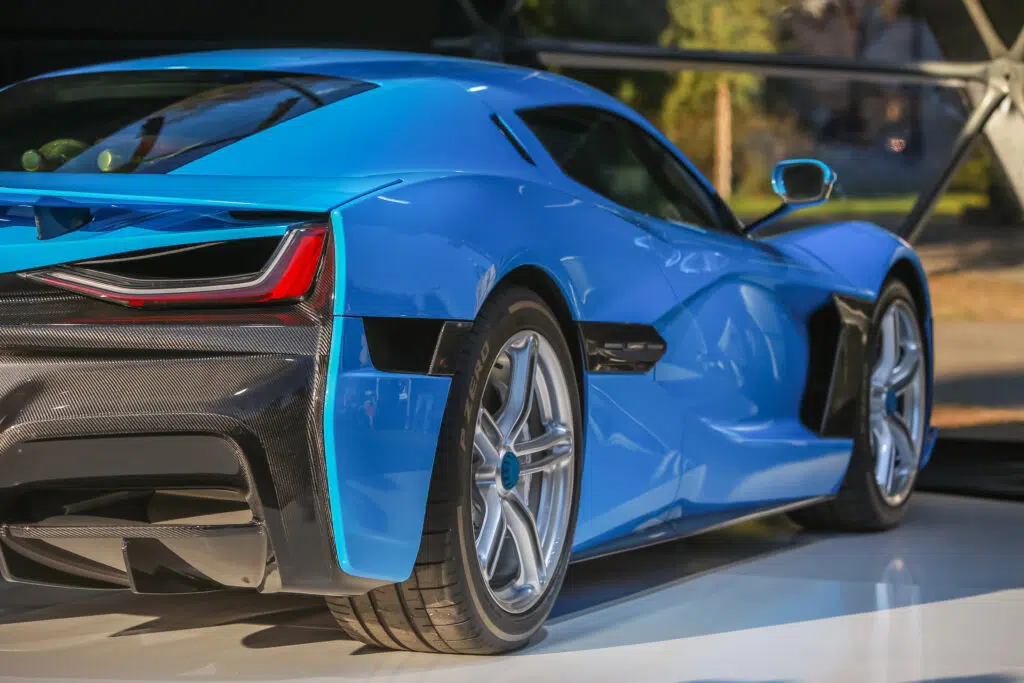
While many people buy their sports cars in retirement, these cars frequently lack practicality. Oftentimes, they have low seating that can make it hard to get in and out of, especially if you wind up struggling with mobility. On top of that, sports cars aren’t known to be incredibly fuel-efficient, which can wind up being a financial burden if you’re trying to watch your budget in retirement. Instead, consider opting for a vehicle that offers comfort and convenience.
2. Large SUVs: Unnecessary Size and Poor Fuel Economy


Large SUVs might be appealing due to their spacious interior, but as a retiree, the size can actually wind up feeling like more of a burden than a benefit. Navigating tight roads and parking these vehicles can be challenging. Honestly, if you don’t have a family to haul around, they’re also impractical. Not to mention, they’re not known for their fuel economy. Overall, they may wind up costing you more than they’re worth. Downsizing to a more fuel-efficient, compact SUV could provide the comfort and capability you need without the bulk.
3. High-Performance Luxury Cars: Maintenance Costs Are a Hassle


Maintenance costs are a huge selling point for many people in retirement. No one wants to have a car that costs a ton to upkeep. While you might find the driving experience to be great, the ongoing costs add up. Retirement is supposed to be relaxing, you won’t want to stress about expensive repairs or other car-related costs. Many retirees prefer reliability and ease of upkeep over flashy performance. You might consider switching to a more dependable, low-maintenance car so that you can avoid the headaches in retirement.
4. Pickup Trucks: Unnecessary Power and Lack of Comfort

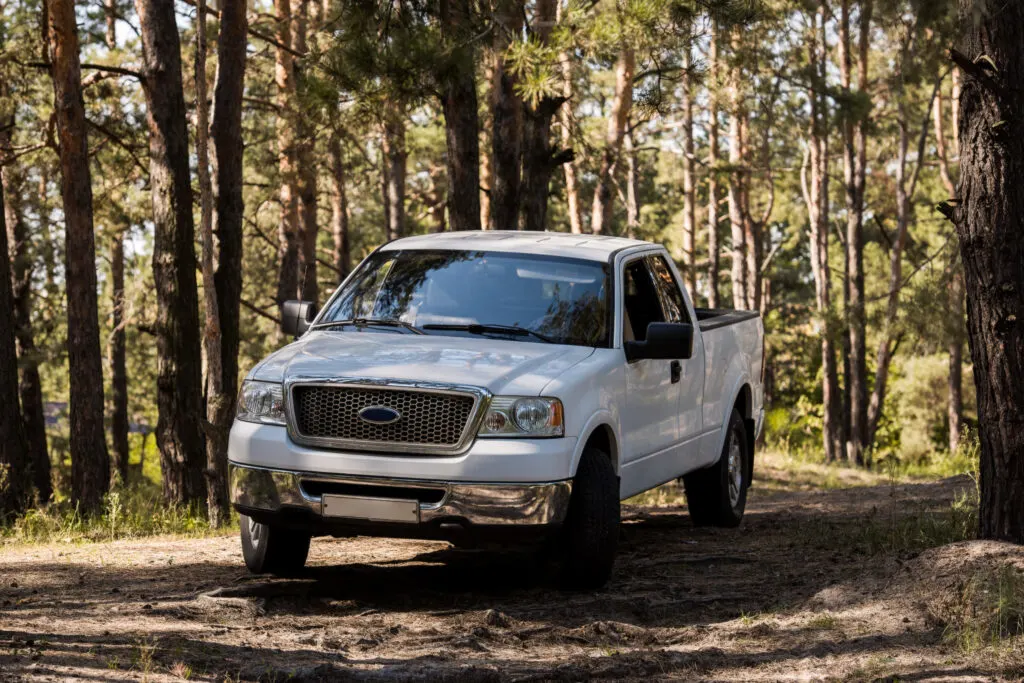
Unless you have a specific lifestyle that requires hauling things, a pickup truck probably isn’t necessary. These vehicles are built for heavy-duty work and they are less likely to fit into your day-to-day life unless you have an outdoor-focused lifestyle. Pickup trucks tend to have a rougher ride than sedans or crossovers, which can be uncomfortable for older individuals if you have a long drive ahead of you or you’re using it every day. Additionally, they can be hard to park and maneuver in tight spaces. If it’s cargo space you’re looking for, there are plenty of options without buying a pickup.
5. Electric Vehicles with Short Range: Range Anxiety Can Limit Freedom
Electric vehicles have become more popular in recent years, but you want to keep a close eye on the range of the car. Those with shorter ranges can cause a lot of anxiety, especially if you’re going on a longer trip. Not to mention, trying to plan everything around where the charging stations are located can limit your ability to explore and truly enjoy your retirement. While newer EVs have improved range, older or cheaper models may not offer the distance you need without frequent stops. In the end, if you are looking at an EV, make sure that the range will meet your needs without causing any extra hassle.
Choosing a Car That Complements Your Retirement Lifestyle


When you are retired it is crucial to make sure your vehicle matches up with your new lifestyle. Avoiding some of the cars listed here might help save you from unnecessary headaches and expenses. Your main focus should be on finding a car that gives you exactly what you need to get around comfortably without worrying about safety, fuel efficiency, or convenience. Retirement is all about enjoying your time and freedom, and your car should support that, not hinder it.