
In today’s economy, more consumers are making tough decisions about what to cut from their shopping lists to keep their budgets under control. With rising prices and economic uncertainty, certain items are becoming less of a priority. This article explores the top six things people are skipping in their everyday purchases.
1. Subscription Services

One of the first things many are dropping from their budget is subscription services. Monthly fees for streaming platforms, magazines, and specialty boxes may seem small, but they add up quickly. With many households juggling multiple subscriptions, cutting down on unnecessary services is a logical choice. People are opting for fewer platforms or even returning to free, ad-supported alternatives. This shift is noticeable as companies like Netflix and Spotify feel the pinch with increased cancellations.
2. Dining Out and Takeout

More consumers are choosing to cook at home rather than dine out or order takeout. With inflation affecting food prices, eating out has become a costly habit that many are giving up. Even fast-food meals, once seen as an affordable option, are now pricier than ever. Meal prepping and home-cooked meals are increasingly popular alternatives for those looking to save. By controlling portion sizes and ingredients, home cooking allows for better budgeting and healthier options.
3. Premium Groceries

Shoppers are turning away from luxury food items and specialty brands, opting instead for generic or store brands. Organic produce, premium cuts of meat, and gourmet snacks are becoming luxuries many are unwilling to splurge on. While quality remains important, price-conscious consumers are finding that mid-range alternatives offer a good balance. Discount grocery stores are experiencing a surge in business as people seek to stretch their food budgets. This shift also extends to beverages, with expensive coffee blends and craft beer sales declining.
4. Beauty and Personal Care Products

High-end beauty products and salon treatments are being trimmed from many budgets. People are opting for drugstore brands over luxury cosmetics and skipping expensive skincare regimens. DIY beauty treatments, from hair coloring to manicures, have grown in popularity as people find ways to cut down on personal care expenses. Salons and spas are seeing fewer customers as self-care moves into the home. While beauty remains important, practical choices are taking precedence overindulgence.
5. Clothing and Accessories
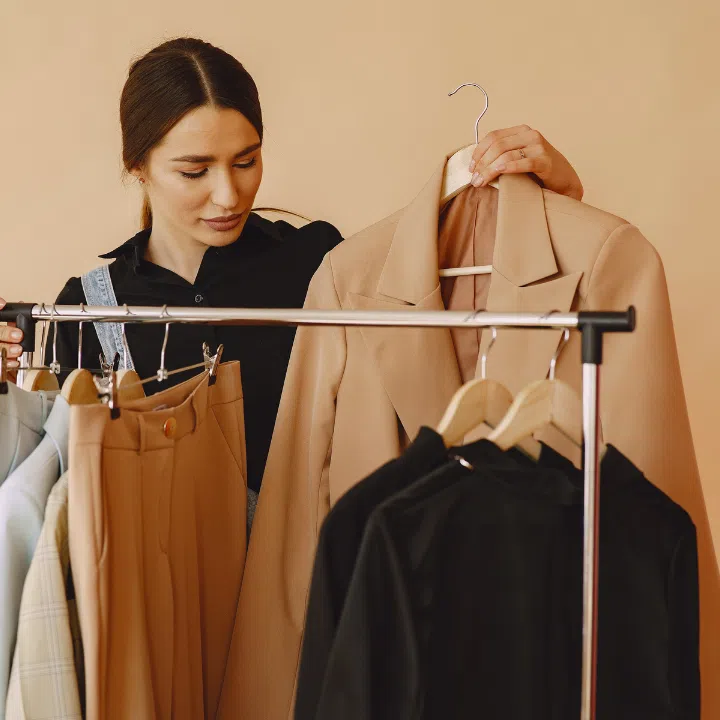
Fashion spending is seeing a significant dip as consumers opt for practicality over trendiness. People are buying fewer clothes and delaying purchases of non-essential items like handbags, shoes, and accessories. Many are choosing to wear what they already have or shop at secondhand stores for more affordable options. The rise of minimalism in fashion, alongside sustainability trends, means people are more focused on quality over quantity. Fast fashion, once a staple for frequent shoppers, is also experiencing a slowdown as people cut unnecessary spending.
6. Entertainment and Travel

Big-ticket entertainment expenses and vacations are getting the chop as people tighten their belts. Whether it’s concert tickets, theme park passes, or weekend getaways, leisure activities that come with high costs are being pushed aside for more affordable options. Staycations, local events, and free activities are becoming popular substitutes for expensive trips and outings. Families are also scaling back on entertainment subscriptions, opting for free or lower-cost alternatives like local libraries and public parks.
Focus on What Matters Most

With many cutting back on non-essential spending, it’s crucial to focus on what truly adds value to your life. By making smart choices, you can keep your budget balanced while still enjoying the things that matter most.