
What puts you at risk for osteoporosis? Are there any early signs of osteoporosis you should watch out for? Read on to find out.
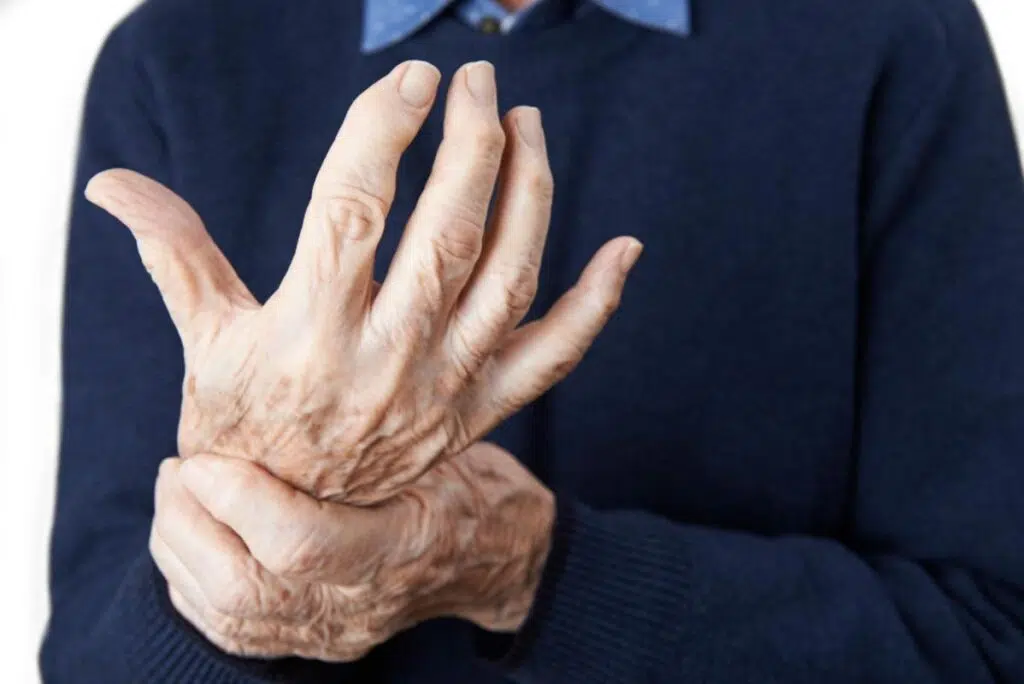
About 10 million Americans have osteoporosis. Another 44 have low bone density, which puts them at risk.
What else can increase your risk of osteoporosis? What are the early signs of osteoporosis you need to look out for?
Keep reading to find out!
With this guide, you can learn everything you need to know about osteoporosis symptoms. By keeping an eye out for the signs, you’ll know when to visit a doctor for treatment. Then, you can get the help you need to reduce your risk of breaking a bone.
Prepare yourself with this guide of osteoporosis symptoms today.
Low Bone Density
One of the most common early signs of osteoporosis is low bone density. Also known as osteopenia, this condition means your bone density is lower than average. However, it’s not necessarily low enough for a doctor to diagnose you with osteoporosis.
Low bone density doesn’t necessarily mean you’ll develop osteoporosis as you grow older. In fact, many seniors have low bone density.
Instead, low bone density can increase your osteoporosis risk. As your bone density decreases, your risk of suffering breaks and fractures will increase.
Osteopenia occurs when your body fails to regenerate new bone at the same speed that it reabsorbs older ones. If you have osteopenia, you might want to speak with a doctor about ways to reduce your risk of osteoporosis.
Bone Fractures
One of the early signs of osteoporosis is a fracture, which occurs most often with seniors. When your bones weakened over time, the smallest accident could cause you to break bones. A fall or bump could cause you to fracture a wrist, femur, or finger.
If you have osteoporosis, your bones have weakened over time. Without the necessary bone strength, you’re more likely to experience bone trauma or injury.
Have you experienced an accident recently that lead to a bone fracture? Make sure to speak with your doctor and request a bone density test. They can determine whether or not your osteoporosis caused your bone trauma.
Family History
Did you know bone mass is actually an inherited trait? Make sure to speak to your family members about their medical history. If a family member has osteoporosis or often experiences bone fractures, you might want to get tested.
Your chances of developing osteoporosis also increase if one of your parents has the condition.
Make sure to speak with a doctor as soon as possible. They can begin early intervention if they determine a patient is at-risk. By catching these signs and risk factors of osteoporosis, you can minimize your risk of fractures and injuries.
Poor Posture
Patients who are at higher osteoporosis risk usually experience compression fractures in their vertebrae. As a result, you might begin experiencing issues with your posture, including a window’s hump. This curvature in the spine could lead to pain and increase your risk of fractures.
It’s normal for us to lose height as we grow older. However, shrinking over time could also indicate you have osteoporosis.
As your bones weaken, osteoporosis of the spine causes your spine to become compressed. As a result, you’ll lose height!
At-risk patients should receive regular checkups and screenings.
Vitamin Intake
Our bodies need enough vitamin D to absorb the calcium our bones need. If you have a vitamin D deficiency, it could lead to weaker bones, increasing your osteoporosis risk.
Try to get your daily dose of sunshine. If you can’t, eat foods that are enriched with vitamin D to protect your bones.
Low calcium intake could increase your risk of osteoporosis, too. Taking calcium on its own can’t prevent osteoporosis. However, you still need this mineral to replenish your bone strength.
Calcium helps safeguard your healthy bones to reduce their risk of density loss.
One of the best ways to reduce your osteoporosis is to improve your diet. Try increasing your vitamin D and calcium intake. You can also add other bone-friendly nutrients to your routine to reduce your risk of brittle bones.
Make sure to speak to your doctor before you start taking new vitamins and supplements. They can make sure the supplements you take won’t interact with any prescription medications.
Make sure to speak to your doctor about the medications you’re already taking. Some can contribute to your osteoporosis development. For example, steroids, thyroid hormone replacements, and even over-the-counter pain relievers can reduce your bone mass.
You can also start an osteoporosis prevention exercise regimen. Your doctor might recommend strength-training and weight-bearing exercises to reduce your risk.
You can learn more about therapeutic options here.
Age
One of the most common risk factors associated with osteoporosis is age. Patients above the age of 50 are considered most at risk. If you’ve reached this age, make sure to schedule regular screenings.
If you’re left undiagnosed, you could increase your risk of sustaining injuries. Make sure to visit your doctor regularly to discuss your osteoporosis risk.
Rheumatoid Arthritis
Have you already received a rheumatoid arthritis diagnosis? Rheumatoid arthritis could increase your chances of developing osteoporosis.
Rheumatoid arthritis weakens your body’s immune system and attacks your joints. Over time, it can contribute to bone density loss and increase your chases of a fracture.
The medications used to treat rheumatoid arthritis could increase your risk of osteoporosis, too.
Menopause
Worldwide, one in every three women over the age of 50 will experience osteoporotic fractures. Meanwhile, one in five men will experience fractures. That’s right: women are more at risk.
Menopause causes a decline in estrogen, which can increase bone loss. Early-onset menopause increases how long a woman’s estrogen is low, increasing her osteoporosis risk.
Low Mobility
Osteoporosis causes bone weakness, which can make it more difficult for seniors to stand once seated. Unfortunately, inactivity can increase a person’s risk of developing osteoporosis.
In fact, bone mass peaks while we’re in our 20s. It’s important to get enough physical activity to increase and protect your bone density while you’re younger. Otherwise, you’re more likely to develop osteoporosis in your old age.
Protect Yourself by Recognizing Early Signs of Osteoporosis
Keep an eye out! By learning these nine early signs of osteoporosis, you can get the help you need. Don’t forget to schedule regular screenings to catch the condition as soon as possible.
Explore our Top Stories today for more helpful guides.