
Key Takeaways
- Durability and Longevity: Dental implants can last a lifetime with proper care.
- Natural Appearance and Function: Implants mimic the look and function of real teeth.
- Bone Health Preservation: They support and preserve jawbone health.
- High Initial Cost: Implant procedures often come with a significant upfront investment.
- Surgical Risks: All surgical procedures include risks and potential complications.
- Not Suitable for Everyone: Health conditions and bone density may impact eligibility.

Dental implants have significantly changed the landscape of tooth replacement, offering a stable and lifelike alternative for those who have lost teeth due to injury, decay, or other reasons. If you are considering replacing a missing tooth, you might be wondering whether dental implants are the ideal solution for you. For those considering dental implant surgery Coventry, RI, it’s important to weigh the advantages and drawbacks carefully.
Dental implants are surgically placed into the jawbone, providing a permanent, natural-looking, and functional replacement for missing teeth. They help maintain oral health by preserving jawbone structure and preventing neighboring teeth from shifting. While highly effective, implants involve surgical risks, require careful evaluation of health and jawbone density, and may not always be covered by insurance. Understanding these factors helps patients make informed decisions about their oral care.
Advantages of Dental Implants
Durability and Longevity
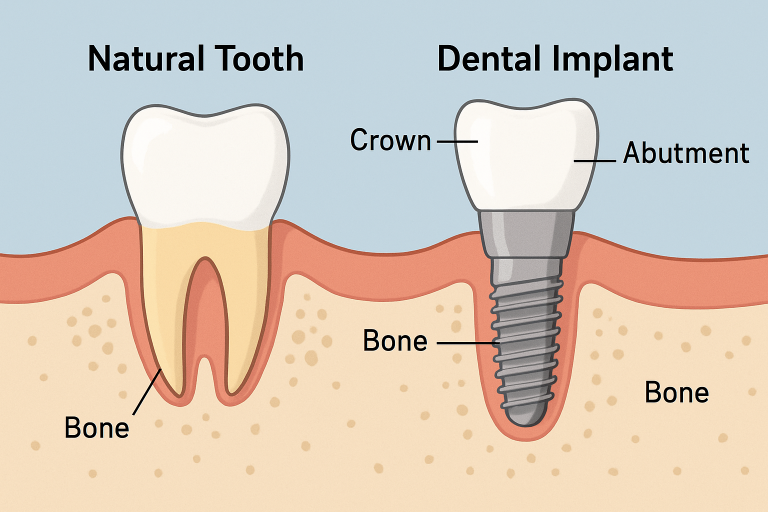
Dental implants are renowned for their robust durability. Made of materials such as titanium, the implant post fuses with the jawbone through a process called osseointegration, forming a strong, lasting anchor for your new tooth. Unlike traditional bridges or dentures, which may need to be replaced every 5 to 10 years, implants offer a long-term solution, often lasting for decades with attentive oral hygiene and professional dental care. According to the FDA, understanding how dental implants work and maintaining regular dental checkups are key to ensuring their longevity and safety.
Natural Appearance and Function
The appearance of dental implants closely matches that of natural teeth, both in shape and color. Because implants are rooted in the jaw, they restore nearly full bite force, enabling you to eat, speak, and smile with confidence. Unlike removable dentures, which can sometimes slip or feel bulky, dental implants function seamlessly and comfortably within the mouth.
Bone Health Preservation
Tooth loss can trigger bone resorption in the jaw, leading to changes in facial appearance and weakening the structure required to support replacement teeth. Dental implants transmit the same kind of stimulation to the jawbone as natural tooth roots, which helps preserve bone mass and prevents deterioration. This benefit is particularly significant for long-term oral health and appearance.
Disadvantages of Dental Implants
High Initial Cost
The cost of dental implants can be a barrier for many patients. The total procedure often includes diagnostics, implant surgery, abutment and crown placement, and follow-up care. While dental implants may offer better long-term value, the lack of comprehensive insurance coverage means some patients may need to consider alternative replacement options or seek financing solutions.
Surgical Risks
Dental implant placement is a surgical procedure, which means there are inherent risks such as infection, nerve disturbance, and, in rare cases, implant rejection. However, these complications are generally rare, particularly in the hands of a skilled dental professional. Discussing your complete medical history and following pre- and post-surgery guidelines can mitigate many of these risks.
Not Suitable for Everyone
Certain health or lifestyle factors can make individuals poor candidates for dental implants. For instance, patients with uncontrolled diabetes, those undergoing certain cancer treatments, or individuals who smoke heavily may experience impaired healing or a higher risk of implant failure. Additionally, those with insufficient jawbone volume may need bone grafting or alternative treatments before receiving implants.
Considerations Before Opting for Dental Implants
Before proceeding with dental implants, it’s crucial to evaluate several key personal factors:
- Overall Health: Patients should be in good general and oral health, free from conditions that could inhibit healing.
- Bone Density: Adequate bone in the jaw is essential for implant stability. Some patients may require bone grafting first.
- Commitment to Oral Hygiene: Dental implants require meticulous oral care—daily brushing, flossing, and dentist visits are a must.
- Financial Planning: Thoroughly assess the procedure’s costs and explore payment plans or financing as needed.
After reviewing these individual considerations and discussing them with your dental professional, you can make an informed decision about whether dental implants align with your health goals and financial situation.
Conclusion
Dental implants offer a reliable, lifelong option for replacing missing teeth, providing undeniable benefits in aesthetics, comfort, and oral health. Balancing these advantages against the higher up-front cost, surgical risks, and eligibility requirements will help you determine if this tooth replacement solution is right for you. Consultation with a qualified dental provider will ensure alignment between your oral health goals and your chosen treatment pathway.