
To help new homeowners navigate the intricacies of plumbing, here is a comprehensive guide that covers essential topics to keep your plumbing in top condition.
With this, you’ll never have to worry about your system again.

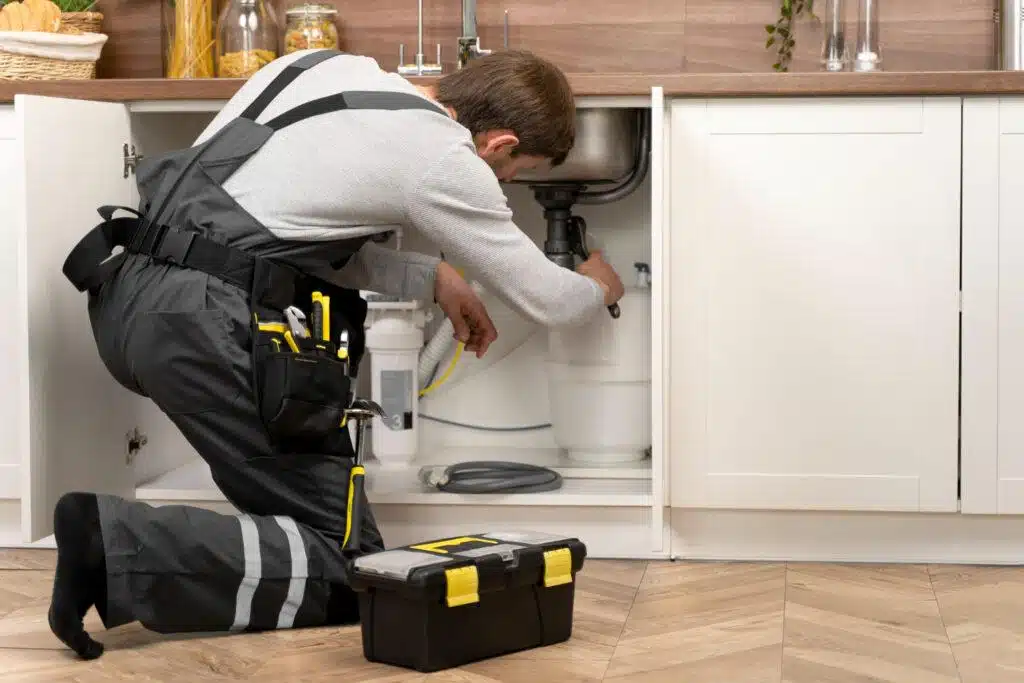
1. Know Your Plumbing System
Understanding your plumbing system is crucial. In most homes, you’ll have two main systems: water supply and drainage.
The water supply system brings clean water into your home, while the drainage system removes wastewater.
Locate your main shut-off valve; knowing where it is in an emergency is essential.
2. Regular Maintenance
Periodically check for leaks, dripping faucets, and running toilets. Fixing minor issues promptly can save you from major problems down the line.
3. Watch for Signs of Trouble
Be vigilant for signs of plumbing problems. These can include slow drains, gurgling sounds in the pipes, or a drop in water pressure. Ignoring these signs can lead to more extensive and costly issues.
4. Learn Basic Repairs
While you should always hire a professional for complex plumbing problems, knowing how to perform basic repairs can save you money and time. Learn how to unclog drains, replace washers in leaky faucets, and fix running toilets.
5. Invest in Quality Fixtures
Investing in quality products can pay off in the long run regarding faucets, toilets, and other fixtures. They tend to be more reliable, last longer, and are often more efficient, saving you on water bills.
6. Be Mindful of Water Usage
Conserving water is not only environmentally responsible but also saves you money.
Fix any leaks immediately, install low-flow toilets and showerheads, and consider a tankless water heater to reduce water and energy consumption.
7. Protect Your Pipes
Ensure your pipes are properly insulated, especially in colder climates.
Frozen pipes can burst and lead to significant damage. Insulation helps prevent this, and you should also know how to shut off your outdoor faucets before winter.
8. When to Call a Professional
While DIY repairs can be cost-effective, there are times when it’s essential to call a professional plumber. These include major leaks, sewer line issues, and anything beyond your skill level.
Don’t hesitate to reach out to an expert to prevent further damage.
For expert plumbing advice and services, visit yoderplumbing.com, where you can find valuable resources and professional assistance to help you navigate the challenges of maintaining your new home’s plumbing system.
9. Create a Plumbing Emergency Kit
Having a plumbing emergency kit can be a lifesaver. Include a plunger, pipe wrench, pipe tape, and a flashlight. Preparing for unexpected issues can help minimize damage until a professional arrives.
10. Regular Inspections
Consider having a professional plumber perform regular inspections of your plumbing system. They can spot potential issues before they become costly problems, ultimately saving you money.
Plumbing is an important aspect of homeownership that demands attention and care.
Understanding your plumbing system, regular maintenance, and knowing when to seek professional help are key elements of keeping your plumbing in top shape.
Following this guide can save money and ensure a smooth, trouble-free experience in your new home.