
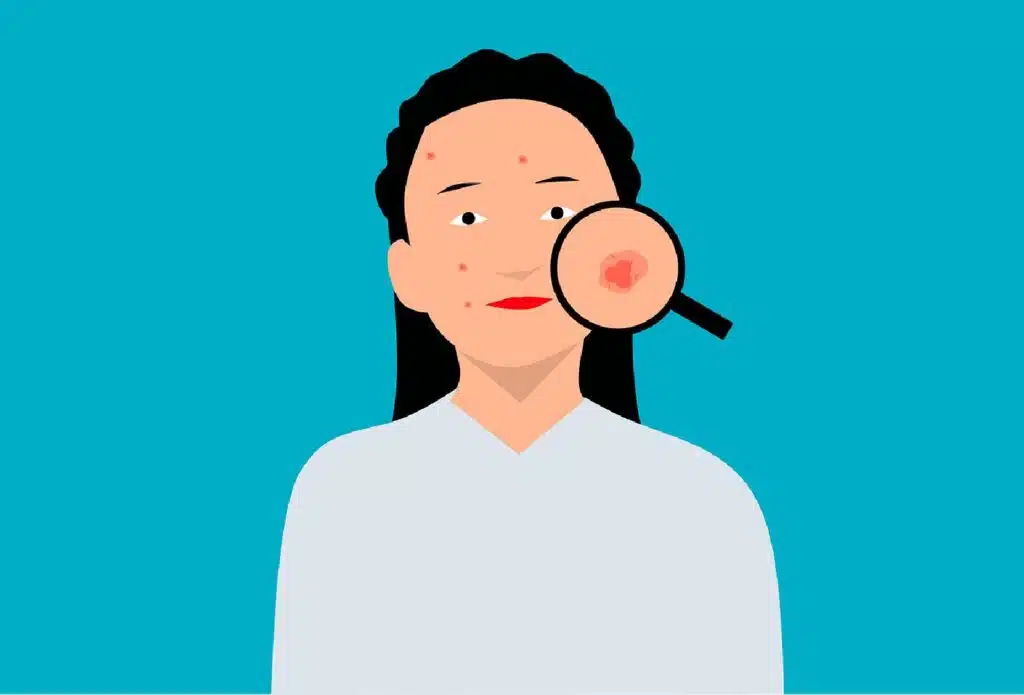
Do you have acne? If so, you’re not alone. Acne is a very common skin condition that affects millions of people each year.
When it comes to acne, there are a lot of myths and misconceptions.
Some people think that acne is caused by poor hygiene, while others believe that it is just a natural part of growing up.
The truth is, however, that acne can be caused by a variety of factors, including diet, hormones, and stress. In this article, we will explore the different causes of acne and discuss the various treatment options available, including .

1) Hormones
One of the main causes of acne is hormonal fluctuations. Hormones can cause sebum production to increase, which can lead to the development of blackheads and whiteheads.
Hormones can also trigger the formation of new acne lesions.
This is because when hormone levels fluctuate, it can cause the skin to produce more oil.
This excess oil can clog pores and trap bacteria, which can lead to inflammation and the formation of pimples.
As such, teen hormones can mean different treatment for acne since they are going through different changes in their bodies. For this reason, it is important to work with a dermatologist to determine the best course of treatment.
There are a number of treatments available for hormonal acne. T
he most common treatment is oral contraceptives, which help to regulate hormone levels.
Other treatments include topical medications and hormone-releasing IUDs.
2) Diet
Diet is another important factor when it comes to the development of acne.
Foods that are high in sugar and refined carbohydrates can cause blood sugar levels to spike, which can trigger the release of insulin.
Insulin is a hormone that promotes the production of sebum, which can clog pores and lead to breakouts.
In addition, foods that are high in dairy and saturated fats can also contribute to the development of acne.
There are a number of dietary changes that you can make to help reduce your risk of developing acne. First, limit your intake of sugary foods and refined carbs.
Second, eat more fruits, vegetables, and lean protein.
Third, avoid dairy and high-fat foods. And finally, drink plenty of water. And finally, avoid touching your face or popping pimples.
Making these simple dietary changes can help you reduce your risk of developing acne.
However, if you are already suffering from breakouts, it is important to work with a dermatologist to determine the best course of treatment.
3) Stress
Stress is another common cause of acne. When you are stressed, your body produces the hormone cortisol.
Cortisol can increase oil production, which can clog pores and lead to breakouts. In addition, stress can also trigger inflammation, which can worsen existing acne lesions.
There are a number of ways to reduce stress in your life, such as exercise, meditation, and yoga.
In addition, there are a number of topical treatments that can help to reduce the appearance of acne.
These include retinoids, benzoyl peroxide, and salicylic acid. If you are suffering from stress-related acne, it is important to work with a dermatologist.


4) Genetics
Another important factor that can contribute to the development of acne is genetics.
If your parents or grandparents had acne, you are more likely to develop it as well. This is because certain genes can make you more susceptible to developing the condition.
There are a number of treatments available for acne, even if it is genetic.
The most common treatments are topical creams or gels that contain benzoyl peroxide or salicylic acid.
These ingredients help to kill the bacteria that can cause acne and also help to reduce inflammation.
There are also oral medications that can be prescribed by a doctor, such as antibiotics.
If you are struggling with acne, it is important to see a dermatologist.
They will be able to help you determine the cause of your acne and recommend the best course of treatment. There is no one-size-fits-all solution to acne, but with the help of a dermatologist, you can find a treatment that works for you.
Acne can be caused by a number of factors, including hormones, diet, stress, and genetics.
While there is no one-size-fits-all solution to acne, there are a number of treatments available that can help to reduce the appearance of pimples.
If you are struggling with acne, it is important to see a dermatologist for help. They will be able to recommend the best course of treatment for you based on your individual needs.
Hopefully, this article has given you a better understanding of the different causes of acne and the available treatments.
If you’re in Singapore and struggling with acne, seeking professional guidance for acne treatment in Singapore is a proactive step toward achieving clearer and healthier skin.