
Ask any parent whose child has spent time around horses and you’ll probably hear a version of the same story. Their kid, the one who melts down in crowded stores or barely speaks to the school counselor, walked into a barn and calmed down. Not right away, maybe. But by the third or fourth visit, something had changed.
Equine-assisted programs have grown a lot over the past couple of decades, and kids dealing with trauma and anxiety make up a big share of the families who seek them out.
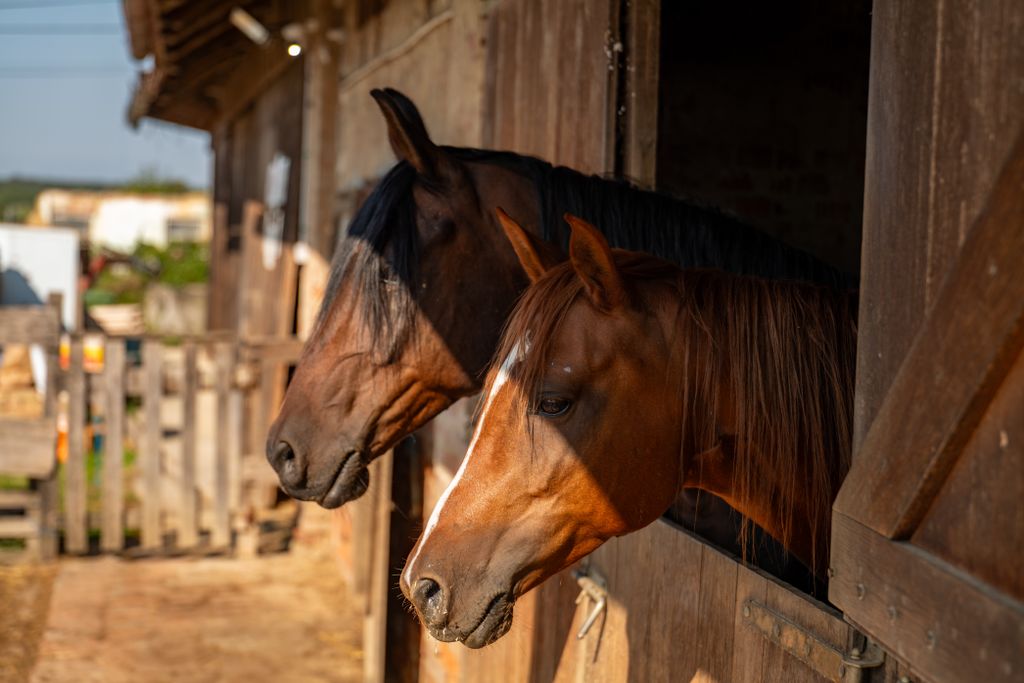
There are some good reasons for that.
Sitting in an Office Doesn’t Work for Every Kid
Most traditional therapy expects a child to sit down and talk about how they feel. Some kids do fine with that. Plenty don’t.
A child who went through something frightening might not have words for it yet. Or they might have the words but feel too exposed saying them out loud to an adult. Anxious kids often lock up the minute they sense someone is watching them closely, which is pretty much the whole setup of a therapy session.
There’s also the physical side. Trauma and anxiety show up as a racing heart, a tight stomach, shallow breathing. Kids usually need to feel safe in their bodies before they can sort through what’s going on in their heads. A barn gives them a way to get there without forcing a conversation.
What Horses Bring That People Can’t
Horses are prey animals. In the wild, their survival depends on noticing tension and danger before anything else does. So they pick up on body language fast, including the body language of a nervous eight-year-old.
If a child walks up stiff and jittery, the horse usually gets a little uneasy too. When the child slows down and takes a breath, the horse settles. Kids catch on to this quickly. They figure out that their own calm changes how the horse acts, and that’s a lesson a lot of adults spend years trying to teach them with worksheets.
Horses also don’t judge. They don’t know about the bad report card or the fight at home or anything that happened last year. They respond to whoever is standing in front of them right now. For a kid who has trouble trusting adults, that simplicity makes a big difference.
And then there’s the size. A horse is huge next to a child. Learning to lead one, brush one, and eventually ride one gives kids real proof that they can handle something that scared them at first. That confidence tends to follow them out of the arena.
Anxiety Has a Hard Time Competing With a Horse
Anxiety lives in the future. What if I fail the test? What if nobody sits with me at lunch? Horses pull kids back into the present because they have to be. It’s tough to worry about next week while you’re picking out a hoof or trying to keep a steady walk around the arena.
The movement itself helps, too. A horse’s walk has a slow, rhythmic sway that a lot of kids find soothing, almost like rocking. Instructors often coach kids to slow their breathing so the horse stays relaxed, which means kids practice a coping skill without anyone calling it one.
Barn routines are predictable in a way that anxious kids appreciate. You groom, then you tack up, then you ride, then you cool down. Same order every time. Kids know what’s coming, and that alone takes some pressure off.
Rebuilding Trust After Trauma
Kids who have been through trauma often feel powerless, on guard, or disconnected from the people around them. Working with a horse touches all three.
A horse won’t cooperate with someone who yells or moves unpredictably. Kids learn that trust comes from patience and showing up consistently, and they get to practice that with an animal before trying it with people again.
Asking a horse to walk, stop, or turn also gives kids a healthy sense of control. They give a clear signal, and the horse responds. For a child who has felt helpless, that matters more than it might seem.
Horses are also very clear about their own limits. Pinned ears, a swishing tail, a step away. Kids learn to notice those signals and respect them, and many start to understand that they’re allowed to set limits of their own.
Kids Who Tend to Benefit
Programs like these can help children dealing with a wide range of challenges, including:
- Generalized or social anxiety
- Past trauma or post-traumatic stress
- Trouble managing big emotions
- Autism spectrum disorder
- Low confidence or depression
Every kid responds differently. Some run straight to the fence the first day. Others hang back for weeks. A good program lets the child set the pace instead of pushing them onto a horse before they’re ready.
Finding the Right Program
If you’re thinking about trying this with your child, look for a program run by people who understand both horses and kids. The staff matters as much as the animals. You want instructors who can read a child’s mood as well as they read a horse’s.
Adaptive riding programs are a good place to start for a lot of families. According to Strides Pediatric Therapy, a Utah clinic that uses horses in therapy for kids, children in adaptive riding gain physical, emotional, cognitive, and social benefits while they learn to tack and ride a horse. That mix of skills is a big part of why these programs work so well for kids who struggle in more traditional settings.
It’s worth visiting a barn before signing up, if you can. Watch a session. See how the instructors talk to the kids. Pay attention to how your child reacts to the horses. You’ll learn a lot in an hour.
Why It Works
Horses help kids because they offer a relationship that feels safe and honest. The child shows up, the horse responds, and nobody is grading anything. For a kid who has spent a long time bracing for the next bad thing, that kind of connection can be the start of feeling okay again.