
The human brain’s ability to retain information, skills, and memories is one of its most impressive aspects.
There are many things you can do to help strengthen your brain and its cognitive functions, whether it be regularly trying your hand at learning a new skill such as a new language, exercising it by completing puzzles and crosswords, or eating a diet rich in omega-3 fatty acids and B vitamins and containing foods such as green, leafy vegetables, nuts and seeds, or lean red meat.
Many of us take our brain functions and capacity for memory for granted – until we arrive at a point in our lives where it begins to let us down.
In some cases, the point of failure might be a neurodegenerative disorder, like early-onset dementia; in others, an acute brain injury might be responsible.
If you or a loved one have been the victim of a brain injury, it can be a severely traumatic and frightening time. Not only is there physical injury and effects on the body to recover from, but it can also inflict significant psychological and emotional trauma.
The effects of this trauma can be wide-ranging, from depression and anxiety, PTSD, to other cognitive issues and decline in memory function. In terms of recovery support, it’s often possible to obtain financial compensation through brain injury claims in the courts.

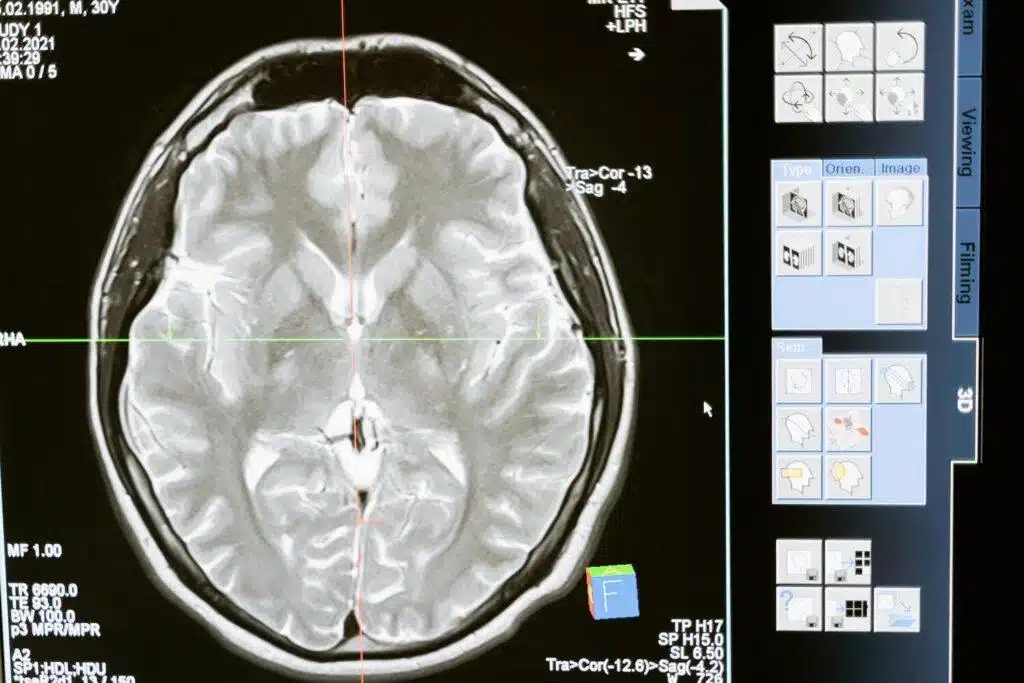
But we should also be thinking about practical ways to limit the impact of a failing memory on day-to-day life.
Adapt the environment
The first step in making a recovery from trauma-induced memory loss is to assess your home environment and figure out ways this can be adapted to support you.
If you can write things down or dictate them, you can effectively expand your memory.
This is something that everyone does – not just those with memory problems. However, a single well-placed note might make a big difference in this case.
Label doors so rooms can be more easily identified, and keep essential information such as names and contact numbers in case of emergency on a noticeboard in a central place.
Medication is particularly important: keep yours in a series of clearly labeled boxes, so that you know exactly what to take on every given day. Pair this with an easy-to-read clock with a ‘day’ display.
External memory aids
Today, we have access to a wide range of memory-enhancing digital devices that can make remembering important information much easier.
Your smartphone’s calendar app might be something you can rely on, as you can set it to remind you of certain things or tasks you need to do periodically throughout the day.
You may also have a voice-activated smart home device which you or a loved one will be able to set up so that it can dictate to you and relay information and things to remember.
Try a few devices and see which ones work for your needs.
Focus on general wellbeing
A failing memory can be bewildering and scary, but it is not something that must be endured alone.
As with any major trauma or change in circumstances, one of the best things you can do is talk about it with those around you.
Talk to your immediate friends and family as much as possible, ideally at the same time of day and week. Structure your social life so that you can get into a routine, and set reminders for phone calls.
As for other methods of maintaining a positive environment that stimulates an active memory, there’s some research to indicate that music provides benefits to patients with memory problems.
Try listening to music which has held a particular emotional resonance in your life, or which you strongly associate with particular memories or people.
That way, you may be able to passively improve your emotional well-being and general state of mind, which can have positive impacts on your memory and retention skills.
Set a routine
As we’ve mentioned, a rigid routine can be very beneficial, and sticking to it as much as possible should lead to a more positive emotional state.
The less things change from day to day, the lower the demands will be on your memory.
Keep the daily plan in mind with a wallchart or a spreadsheet. Whatever method you’re most comfortable with should be the one you adopt.