
Ready-to-eat Cereal is one of the most popular breakfast foods. Cereal is an option to consider for a quick and nutritious breakfast.
Compared to blood sugar levels after fasting, blood sugar levels after breakfast cereal consumption should remain higher.
You will not feel as sluggish after eating this as you would after eating nothing but carbohydrates or nothing; instead, you will feel significantly better.
What are the best Elements That Comprise a good cereal Food Label
A bowl of healthy cereal in the morning will not give enough vitamins and minerals to meet the DV for the entire day.
The best method to meet your requirements for fibre, phytochemicals, and antioxidants is to consume a diet rich in vegetables, fruits, and whole grains.
A nutritional supplement is a morning cereal containing daily vitamins and minerals in a single, handy packet.
Cereals frequently lack adequate levels of vitamin C, calcium, and phosphorus. Cereal combined with milk or yogurt and a vitamin C-rich beverage is an excellent way to obtain these additional nutrients.
Cereals marketed as healthy foods nearly never contain appropriate amounts of beneficial ingredients such as soy protein, flax, or dried fruit.
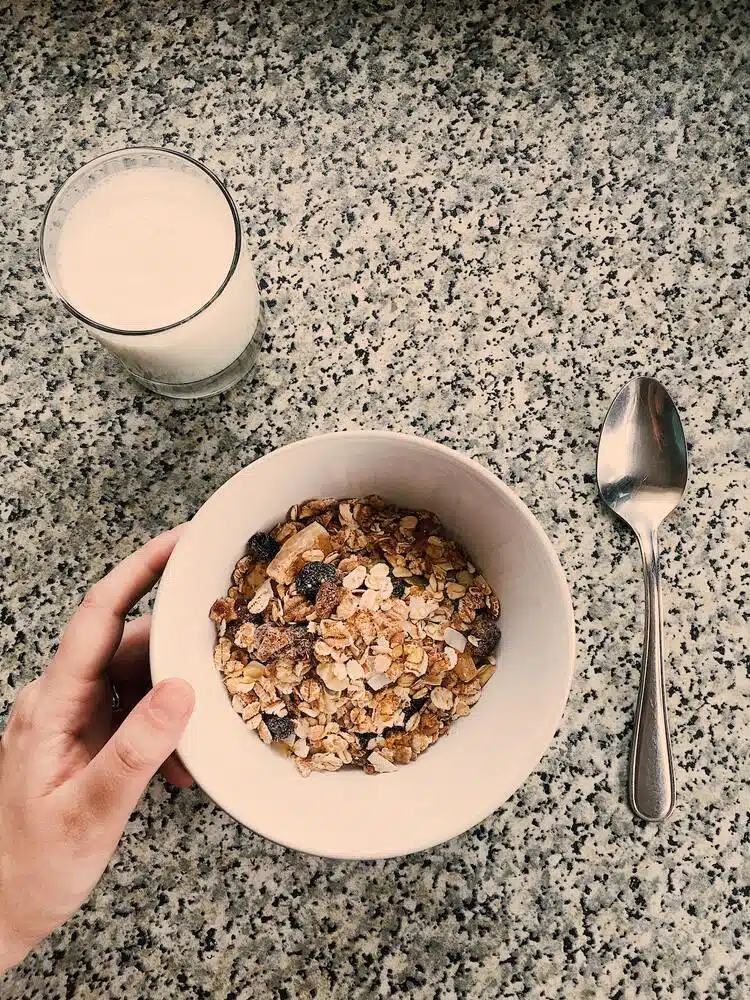
Here are the two most important things you should look for in your breakfast cereals.
Fibre
Large Quantity of Fibrous Material Whole grains contain more fibre than processed grains. Select a bowl of cereal with between three and five grams of fibre per serving.
Add fruit or nuts to your high-fibre, whole-grain cereal to make it more satisfying.
Milk, cereal, and nuts are all excellent sources of protein, calcium, and fat, which all work together to make you feel full.
Eat an assortment of whole grains, vegetables, and fruits to increase your daily fibre consumption to between 25 and 40 grams.
A daily consumption of at least 10 grams of soluble fibre is suggested, and this amount can be obtained by consuming foods such as beans, oats, oat bran, barley, fruits, and psyllium.
Among the additional sources of soluble fibre is psyllium.
You can alter the content of your digestive tract by gradually integrating high-fibre whole grains into your diet. If you ingest too much fibre at once, you may experience gastrointestinal side effects such as cramps, diarrhea, gas, and abdominal pain.
If you want to aid your body in digesting the fibre included in food, drink lots of fluids and chew your food thoroughly.
Due to the ability of fibre to treat constipation and diverticulitis, as well as reduce the risk of cardiovascular disease, you may feel full despite consuming fewer calories than usual.
Sugar
Avoid “sweet cereals” with a low density and go for alternatives with a greater density instead. Select a breakfast cereal with a reasonable level of sugar.
When you add sugar to your terms, it is much simpler to maintain control of the situation.
The selection criteria for sweetened and unsweetened cereals should be identical.
Choose the cereal with the least amount of added sugar you enjoy eating. Check the extensive list of components for the word “sugar.”
Brown sugar, honey, molasses, high-fructose corn syrup, corn sweetener, maltose, dextrose, sucrose, and fruit juice concentrates are sugars added to a recipe.
Cereals retain all of their healthy nutritional qualities even when sugar is added.
Therefore, it is essential to remind your loved ones to brush their teeth after eating cereal, whether it is sweetened or unsweetened.