
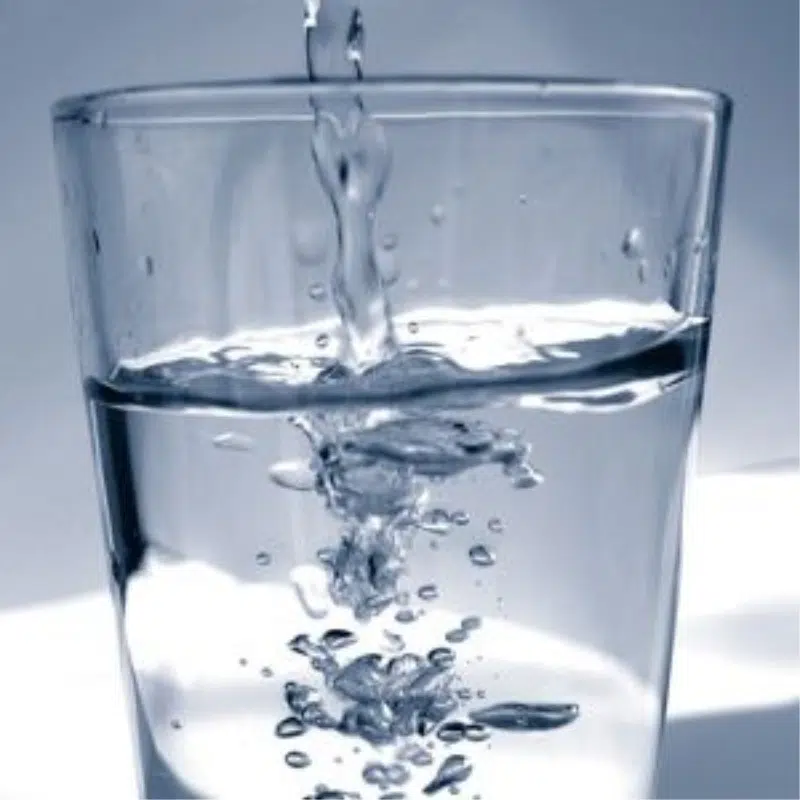
Filtered water safeguards the body against disease and leads to better overall health. Filtering the water removes certain contaminants, helping to lower the risk of gastrointestinal disease by over 33 percent. Additionally, filtered water is essential for the developing immune systems of children. Below are some details that can assist you in making knowledgeable decisions about water filters, so you can enhance the water quality in your home:
Choosing the Water Filter That is Best For You
Before picking the best water filter for your home, the most essential thing to decide is what you want to eliminate from the water. You can get this information from environmental group reports, carrying out home water tests and water quality reports done by utility companies.
After becoming aware of the contaminants that are in your water, knowing which impurities are eliminated by which filters is the next step. While the majority of them differ according to make and model, some common guidelines are there to think about. The different types water filters currently available on the market are highlighted below: You may also visit TheHomehardware to know everything about water filter.
• Pitcher Filter
If you have been purifying your water with a pitcher filter, it is possible you have not read the fine print. Typically, even the best filter pitcher reduces only a few pollutants such as chlorine. Furthermore, the water is stored in the plastic container for an extended time period, which indicates dangerous chemicals could be transferred from the pitcher itself.
Though they are reasonably priced, these jugs are primarily effective at improving the taste and odor of your water; they actually leave a number of contaminants behind. In the same way, the filters utilized in water-dispensing fridges use up surplus electricity and get rid of only a small amount of impurities.
• Faucet-mount Water Filter
Many of these filters get rid of a comparatively decent number of impurities. However, reading the fine print is vital to determining whether they are taking out the pollutants you want taken out. This is significant since filter performance widely varies from one brand to the next.
These filters are inexpensive and without having any special skill, they can be replaced quite easily. However, the filters are not long-lasting and the price to replace them quickly adds up. Therefore, it might turn out that more effective filters, even though they may have a higher upfront price, do not cost much more in the long run.
• Whole-house Filter
In situations where counter space is an issue, you may find a whole house water filter to be the ideal solution. Just like the plumbed-in, countertop water filters, a direct in-line filter does not require refilling. Many systems take under 1hr to set up a direct connection from your main water line says Qualitywaterlab.com.
• Countertop Water Filters
These filters do not use up any space below your sink and the options are gravity-fed, freestanding filters or ones that have to be hooked up to the faucet. None of the options require professional installation. The advantage of having the filter connected to the waterline is that it eliminates the need to refill the container consistently.
Where the gravity-fed filter is concerned, this is a remarkable choice since water purification can take place in circumstances of emergency, even with a lack of power or regular water supply. When there is no power, municipal water supplies cannot maintain its water pressure and well pumps will not function without a backup power source.
The best countertop filter requires no special tool and maintenance is easy. Typically, maintenance only takes 10 minutes and is normally required after it has been used for months or years, based on the number of impurities in your water.
The cost to replace filters is around $100 and roughly 3000 gallons of water are filtered by each. There are also portable filters that are free of BPA, which means they can easily be placed on the deck in warm weather or used on camping trips.
• Reverse Osmosis
While tremendously useful for removing impurities, the cost of reverse osmosis filters is high and the process wastes lots of water – at least 3 gallons are wasted for every usable gallon. Furthermore, electricity is needed for its operation; therefore, a lack of power renders them useless. Additionally, this technique removes valuable minerals, which could perhaps result in health deficiency should this type of water be consumed for prolonged periods.
It is the belief of some concerned individuals that it is safer to buy and consume bottled water than to drink unfiltered water from the tap. However, aside from the significant environmental impact of drinking this type of water consistently, many brands of bottled water contain municipal tap water, complete with the same impurities you are attempting to avoid. Be informed about the impurities in your water and take the required steps to improve the quality of your water.