
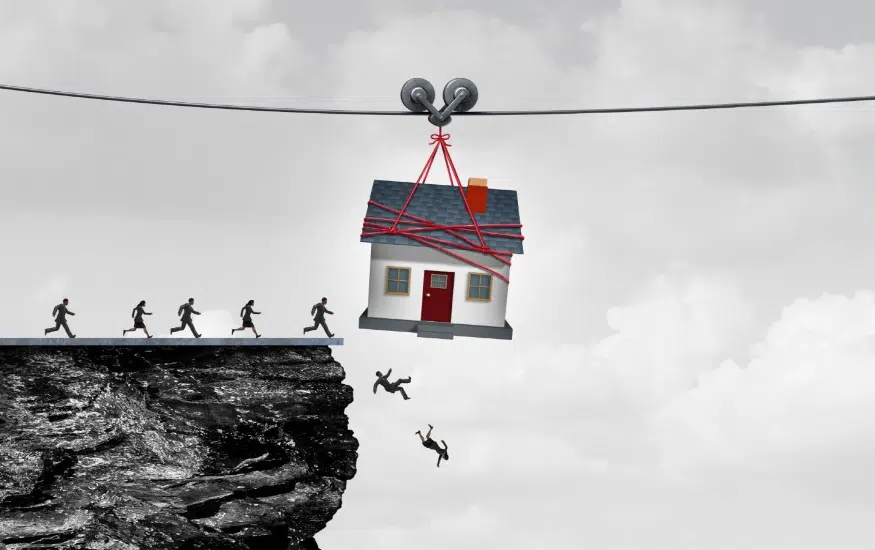
Buying a home is one of the most exciting things that you’ll do. There are many things to manage, and for first-time home buyers, it can be stressful.
You don’t know what the process entails, which leaves you vulnerable to falling victim to a real estate scam. It’s estimated that home buyers have lost $1.3 billion in the last year thanks to these scams.
There is one growing scam that is more concerning than the others. The FBI has even issued a warning about this scam that can ruin your dreams of homeownership.
Do you want to know what it is?
Read on to find out about this and other real estate scams and how you can prevent them from happening.
- The Real Estate Email Scam
You know that things move fast in real estate. You are going back and forth between the real estate agent, mortgage lender, and escrow officer to get the home to close on time.
Believe it or not, cybercriminals know this and they will try to use the chaos and your lack of real estate knowledge to their advantage.
A family in Oregon was getting ready to purchase a new home. They received an email from their title company saying that they would get instructions to wire the down payment to them.
The next day they got the instructions to wire $123,000 saved up for the down payment to the title company.
Only it wasn’t the title company. That money went through several banks before it wound up in an overseas bank account.
Hackers have become sophisticated and target homebuyers across the country. They can spoof email addresses to look like an email came from your title company.
They can also send out mass emails to clients, hoping that they’ll bite on one. That’s why this scam is called a phishing scam in the tech world. Hackers throw a huge net hoping that a few people bite and get caught in the net.
The real estate industry is bracing for an 1100% increase in phishing scams.
- Desperate Agents Try to Get Your Business
There are some real estate agents that will say or do anything to get a client. In a lot of cases, you don’t know until it’s too late.
They may exaggerate the number of transactions they’ve handled or that they worked in real estate investments when they haven’t.
Agents may promise you that they’ll find that dream home you want within your budget. You may be shocked to learn that the homes you want are way outside of your budget.
- Rent Fraud
Scammers will post a nice property online and ask for a deposit for you to see the property. That should raise a red flag, but it doesn’t for many renters. About 5 million renters have been victims of this scam.
The thing is that the property isn’t for rent. It may have been at one point, it was just copied from another listing. You’re paying to check out a property that the person you’re paying has no right to show.
You give them money that they’re going to run off with, leaving you out of luck.
- Mortgage Fraud
Mortgage fraud usually refers to home buyers who misrepresent themselves on their loan application. For example, if you exaggerate your income or job, that’s considered fraud.
There’s another type of mortgage fraud that is one the more concerning real estate scams, called loan flipping. They tend to target elderly homeowners who have a lot of equity in their homes.
These “lenders” will convince homeowners that they should refinance not just once, but several times. The lenders will charge a ton of fees and a high rate each time the home is refinanced. That often can leave someone with little money to pay for food or medical bills.
How to Prevent a Real Estate Scam
As you can see, there are a number of real estate scams out there. There are a lot of people that want to take advantage of the most vulnerable people and make money off of them.
It’s really up to you to educate yourself and prevent yourself from becoming a real estate scam victim. Here are a few tips to help you.
Pick a Reputable Agent
Your real estate journey starts by picking the right agent to work with. Go beyond checking out someone’s website.
Read reviews and get recommendations of an agent to work with. You can then interview agents about their experience. They should be prepared to answer any questions about the market.
Never Pay Money Upfront
In a rental or mortgage transaction, people may ask for money upfront. This could be framed as a deposit or a placeholder.
Don’t do it. No one should ask you to pay to view a property.
Question Everything
If you ever get an email that asks you to wire money, don’t do it without asking about it. Call up your real estate agent or the person who you think it’s from.
Don’t send money without asking about the legitimacy first. It’s an extra step in the process, but it’s necessary if you want to keep the transaction on track.
Know the Most Common Real Estate Scams and Protect Yourself
There is a lot of money in real estate. Not just for agents and investors, but for scammers, too. These hackers and scammers have become more bold and creative recently.
You need to be on guard and know a real estate scam when you see one. The best ways to protect yourself are to read about the various scams, and always ask questions. If there’s a person that seems too eager or employs pressure tactics for money, walk away.
You also want to make sure that you work with a team that you trust. Do you want more home tips? Check out the lifestyle section of the blog for DIY tips that you can put to use when you move into your new home.