
Hybrid and electric cars have become increasingly popular as fuel prices rise. It’s important to keep in mind that not all hybrids are created equal. Some models may very well offer great savings and good performance, but there are many that fail to live up to the hype. If you’re in the market for a hybrid vehicle, here are nine cars that might be bad for the road, and worse for your wallet.
9. BMW X5 xDrive40e

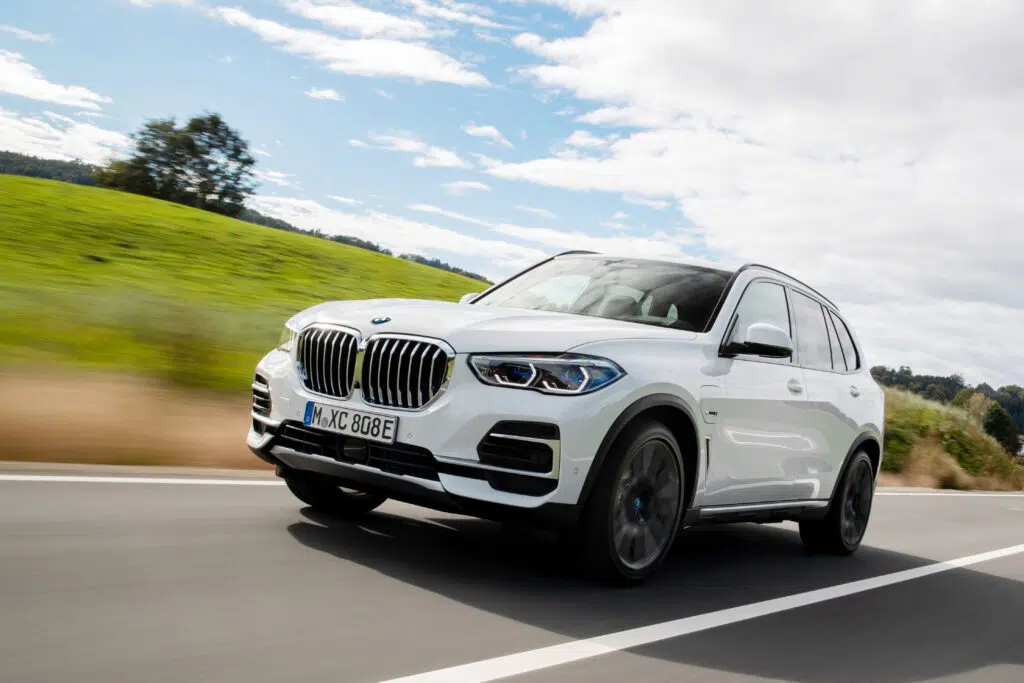
The BMW X5 xDrive40e plug-in hybrid is a luxury SUV that looks good on paper. When the rubber meets the road, it fails to live up to expectations. Its real-world fuel economy is disappointing for a hybrid and many owners have prepared that the car’s electric-only range is much lower than advertised by BMW. Not to mention, the BMW X5 xDrive40e will have high maintenance and repair costs, especially once the warranty is up.
8. Nissan Pathfinder Hybrid


Nissan’s attempt at a hybrid SUV with the Pathfinder was disappointing for many. It doesn’t have great fuel economy. In fact, it barely surpassed the non-hybrid version. The Pathfinder Hybrid has sluggish acceleration and the fuel savings just don’t add up. Eventually, Nissan called it quits on this model, but if you are looking for a used hybrid SUV, it’s probably best to steer clear of this one.
7. Lincoln MKZ Hybrid


Lincoln failed to deliver on the MKZ Hybrid. Like others on this list, there is next to no distinction between it and the non-hybrid model. Furthermore, its high maintenance costs and rapid depreciation mean that it loses value quickly, making it a poor investment for those seeking long-term savings. The MKZ attempts to appeal to people looking for a hybrid luxury car, but it’s honestly not the best choice for people looking to save money on gas or maintenance.
6. Infiniti Q50 Hybrid


The Infiniti Q50 Hybrid misses the mark all around. It aims to provide drivers with luxury and fuel efficiency, but it comes short of doing both. Unfortunately, the Q50 sedan has a really harsh, inconsistent ride. There are frequent complaints about the transition between gas and electric powertrains. Like many other hybrids, it has a host cost of maintenance. For what you get, it’s not quite worth it.
5. Hyundai Ioniq Hybrid


While I really find these cars cool-looking, the Hyundai Ioniq Hybrid suffers from similar issues discussed so far. What makes this one a little bit worse than the others is that consumers have reported bad quality in the overall build. There have also been problems with the infotainment system, interior quality, and suspension issues. If you find yourself wanting to trade it in, you’ll probably also discover it’s worth a lot less than you expected too.
4. Chevrolet Malibu Hybrid


Like others mentioned here, the Chevy Malibu Hybrid struggles to live up to the hybrid name. Many people have said that the actual mileage they get out of the car is much lower than the EPA estimates. Most people buy a hybrid for fuel savings, so this can be disappointing. There is also limited availability fo the Malibu Hybrid, making parts and services more expensive.
3. Ford Fusion Hybrid (older models)


Early models of the Ford Fusion Hybrid have left many people frustrated. Models from the early 2010s often suffer from battery degradation that reduces the overall fuel efficiency of the car. When the battery finally wears out, the owners often face high replacement costs. More than that, the Ford Fusion Hybrid (especially the older models) doesn’t handle well and they’re not great to drive.
2. Honda CR-Z


I’ll never be a huge fan of the newer Honda models. However, there are real reasons to back up this claim. It’s not fun to drive and it doesn’t offer any real savings when it comes to fuel economy. The savings aren’t impressive when compared to non-hybrid models. Also, the CR-Z only seats two people, making it impractical for families and anyone who needs space. When you look at other hybrid options today, the CR-Z simply doesn’t stand out.
1. Toyota Prius C


The Prius is the King of all hybrids. Toyota really started the drive to get hybrids into the hands of all people. The Prius C has some significant drawbacks. It’s underpowered and if you have to get off an on-ramp onto the highway, it’s treacherous. The car is also noisy and small. It provides better fuel efficiency than most on this list, but it lacks the refinement one would expect of the carmaker that’s been doing this for years.
Worth the Investment?


It is still questionable as to whether or not today’s hybrid models are worth the investment. It’s admirable to want to reduce your carbon footprint, but at what cost? In the long run, it will cost you more money while the carmakers figure out the best things to include in their latest hybrid model. As a result, you’ll pay a premium for the car and maintenance without feeling like you got much out of it. If you are dead set on getting a hybrid car, do your research and make sure you’re getting a vehicle with good reviews that offers real savings.