
The world of automotive design is full of innovation and creativity, but let’s face it, not every idea is a winner. Over the years, there have been plenty of foreign car manufacturers who released some of the worst car designs I’ve ever seen. Whether it is due to a weird look, awkward engineering, or possibly being too far ahead (or behind) their time, these nine epics fails left people scratching their heads.
9. Mercedes-Benz R-Class (2006–2013) – A Luxury Minivan Nobody Wanted


Typically, I don’t have many bad things to say about Mercedes, but they have certainly had some of the most epic fails in the foreign car market. One of them is the Mercedes-Benz R-Class. No one in the market for a minivan wants a Mercedes. Not to mention, it had a number of strange engineering choices, like placing the battery under the passenger’s seat. To add to the ridiculous nature of this vehicle, Mercedes also made an R63 AMG version of this van that would crank out 500 hp and could reach up to 171 mph. It wasn’t a surprise when Mercedes stopped producing this car after just seven years.
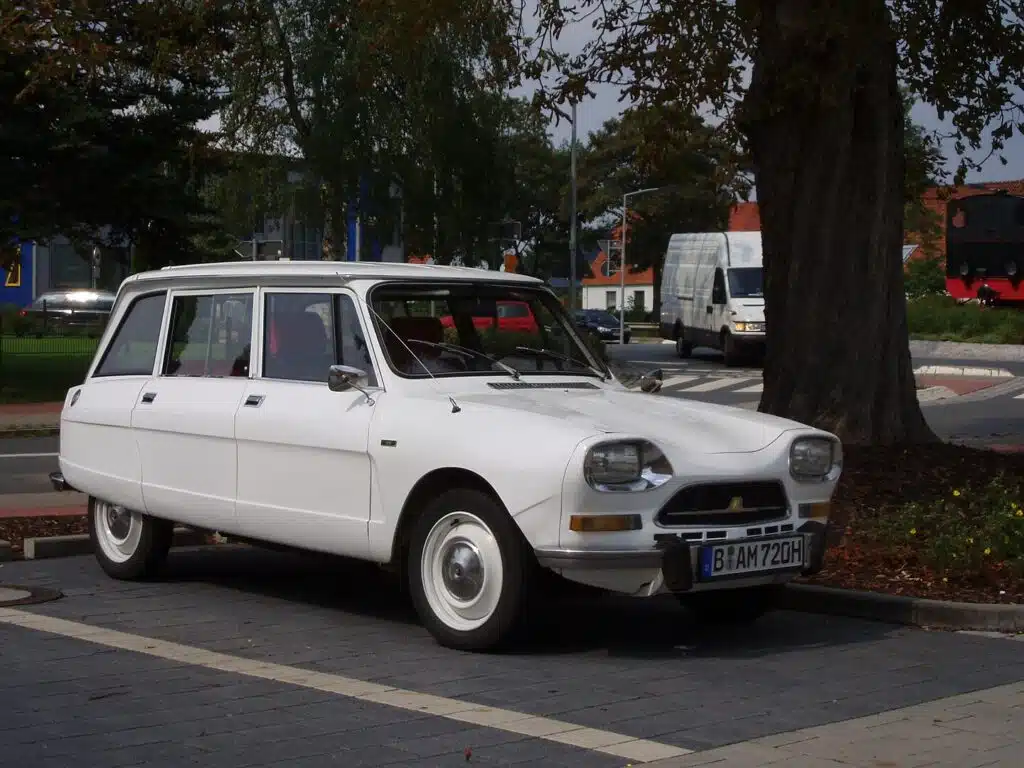
8. Citroen Ami (1961–1978) – Quirky, But in All the Wrong Ways

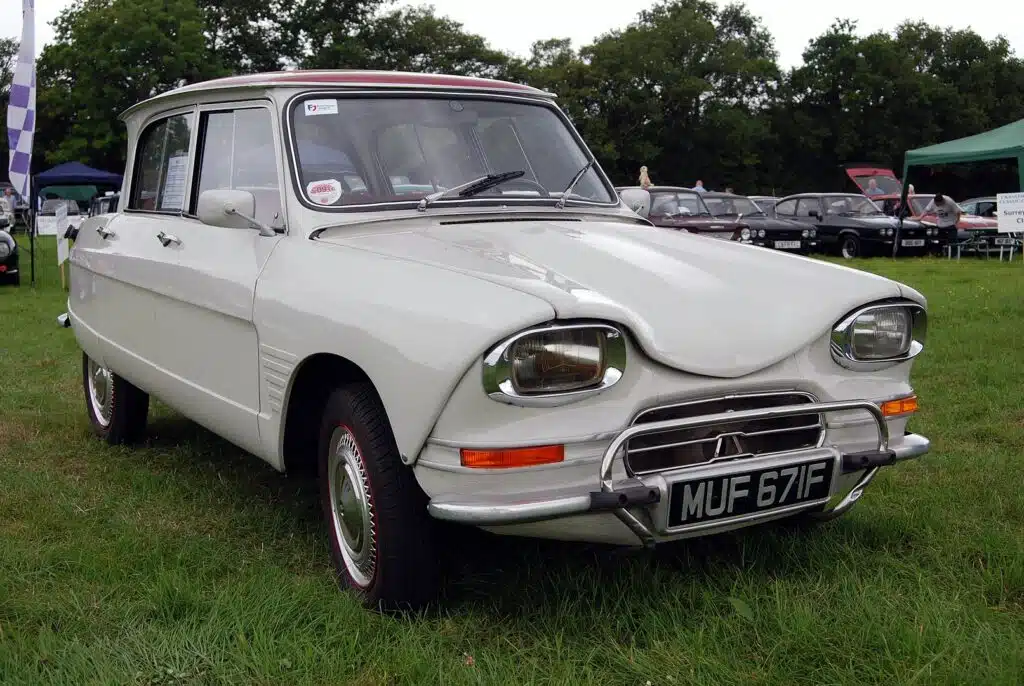
Citroen is one carmaker that has not strayed away from producing odd cars. However, the Ami pushed the envelope, even for the French auto manufacturer. It has a slanted rear window and some of the design made it look unfinished. Although it was a decent family sedan, you would never know it. Most people were put off by its odd design.
7. Peel P50 (1962–1965) – The World’s Tiniest Car, But Why?


Jeremy Clarkson drove the Peel P50 into the BBC building in London and took it to meetings on Top Gear. Famously, this uber-small car fit inside the elevator. It holds the record for the smallest production car ever made. While smaller vehicles were once sought-after, especially in heavily populated areas, the P50 was just not practical. Only one person could fit inside and you likely wouldn’t have room for your groceries in the back. It’s gained somewhat of a cult following in recent years, but this car was not a commercial success when it hit the market.
6. Yugo GV (1985–1992) – When Cheapness Becomes a Flaw

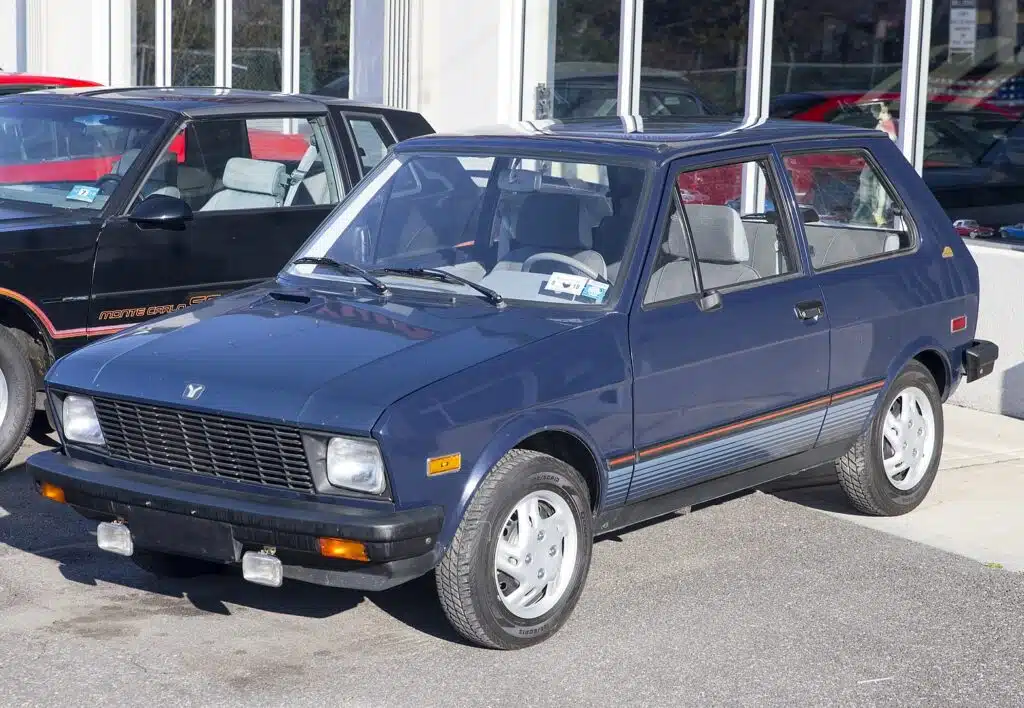
The entire idea behind the Yugo GV was to create an affordable European alternative for American customers. It sounds like a good idea, but the car was nothing short of a nightmare. The car was unreliable and had a notoriously noisy engine. Although it was one of the cheapest cars ever sold in the United States, the Yugo GV was only known for its poor build and is remembered as a failure.
5. SsangYong Rodius (2004–2013) – A Minivan Only Its Designer Could Love


When it comes to bad foreign car design, you have to mention the SsangYong Rodius. The manufacturer is known for making rugged vehicles, but this model was a major miss. Its large design was compared to a boat and it had some odd curves and angles that didn’t seem to match up with the rest of the minivan. SsangYong made a spacious and practical vehicle here, but the way it looked made it a tough sell.
4. Pontiac Aztek (2001–2005) – Love It or Hate It, Most Hated It


The Pontiac Aztek is recognizable from television’s Breaking Bad, but in my opinion, they chose this car for Walter White because they wanted viewers to know he was a loser. Even though Pontiac is an American brand, the design had European influences. The manufacturer attempted to combine the characteristics of a sporty car with the practicality of an SUV. In short, it just didn’t work. It had odd proportions and mismatched body parts that just left people wondering, “Why?”
3. Tata Nano (2008–2018) – The World’s Cheapest Car Misses the Mark

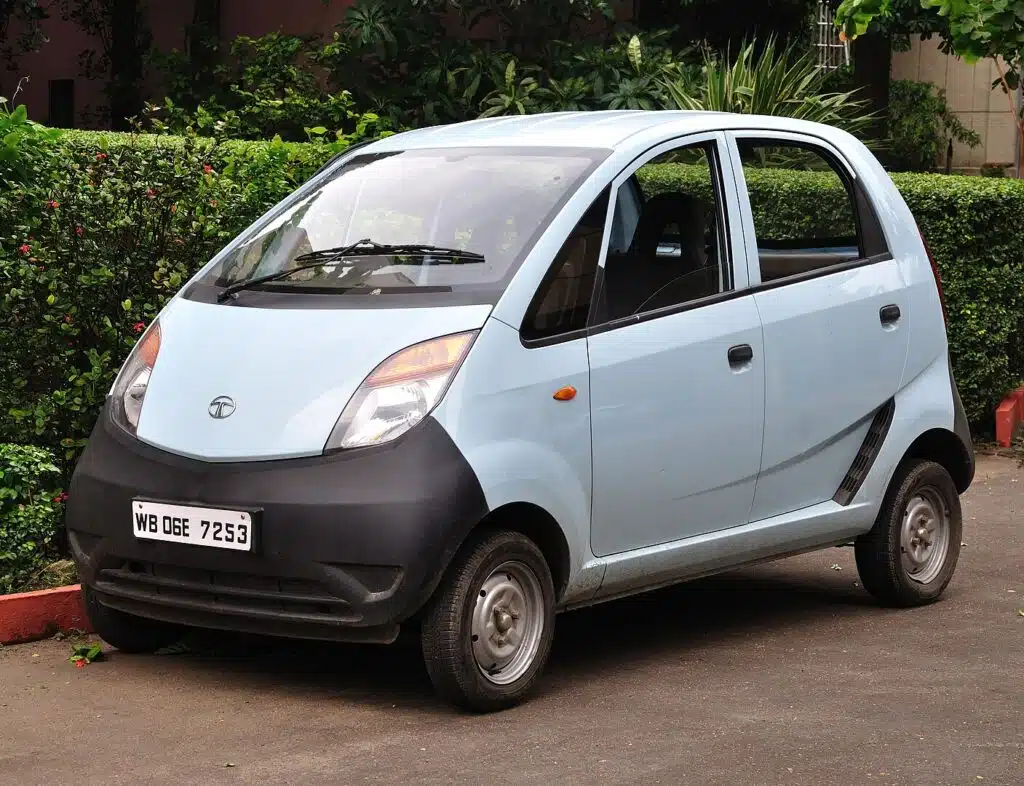
This is the world’s cheapest car, but you won’t see many of them on the road. The Tata Nano was initially marketed to be an affordable car for the masses in India. However, its design and other features left a lot to be desired. It felt flimsy and looked awkward. Additionally, many people were concerned about the car’s safety. Eventually, the manufacturer stopped production on this vehicle, proving the “cheap” doesn’t always sell.
2. Renault Avantime (2001–2003) – A Futuristic Vision Gone Wrong

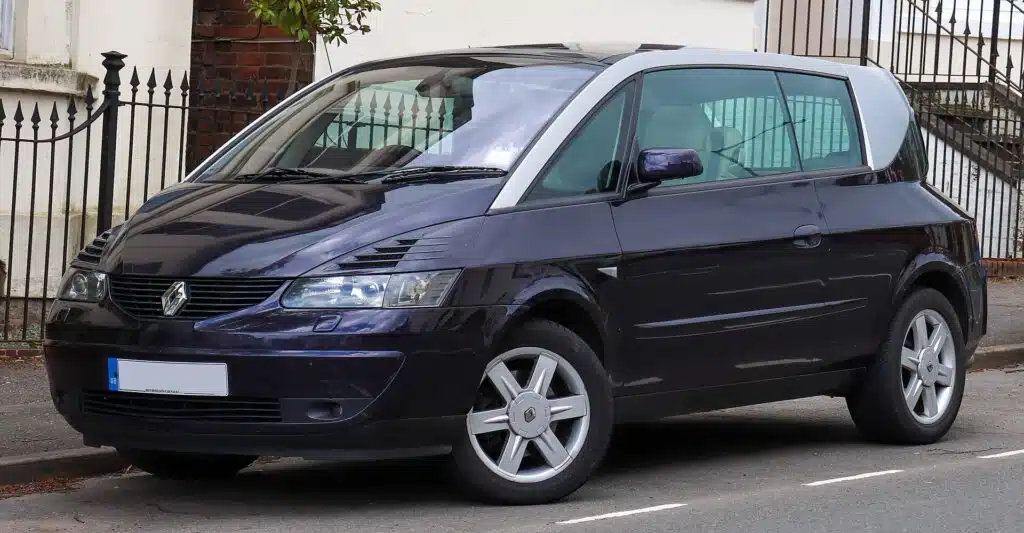
This is another car that was featured on Top Gear. The show’s host attempted to make the Renault Avantime go around the track quicker than a Mitsubishi EVO, and it did not. Not only was it not very fast, but it also had very noticeable design flaws. Specifically, the car had to be equipped with special door hinges because the doors were so long that you couldn’t get out in a tight parking lot. Overall, Renault had some futuristic ideas with this car, but it didn’t resonate with anyone at the time. It was swiftly discontinued after only two years of production.
1. Fiat Multipla (1998–2010) – An Eyesore on Wheels

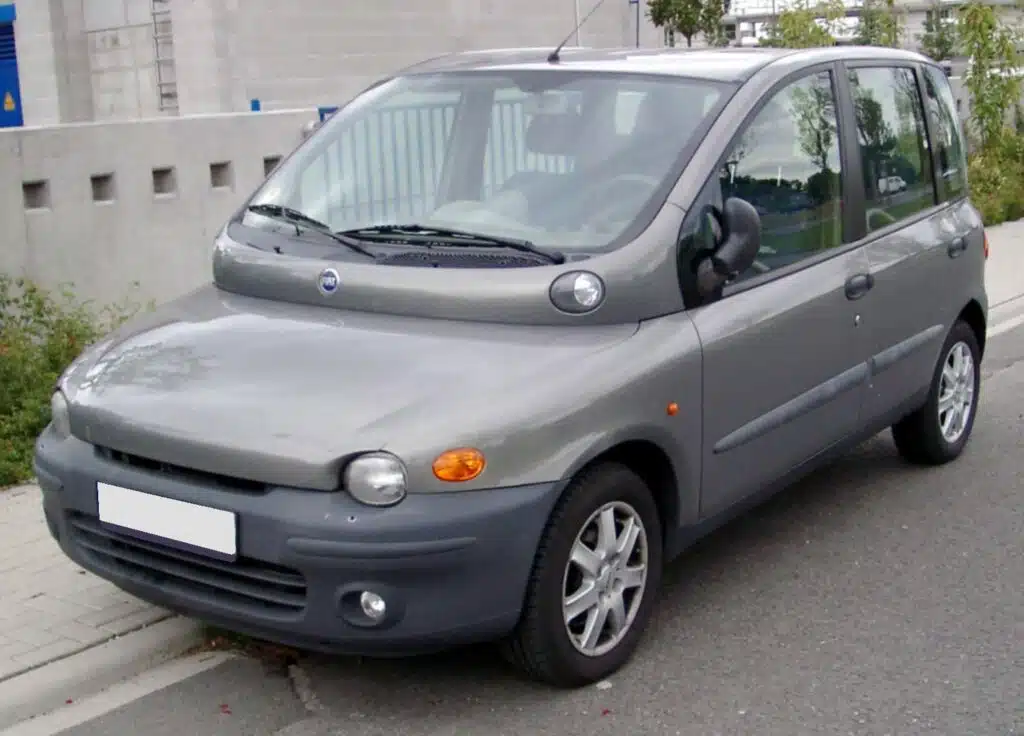
Surprisingly, Fiat continued to produce this car for an astounding 12 years. That doesn’t mean the Multipla wasn’t a flop though. It just looks weird, which prevented a lot of people from buying it. The Multipla was known to be spacious and practical inside, but that didn’t stop it from becoming the subject of memes and jokes in the car community.
Lessons Learned from Design Fails

These foreign car design missteps remind us that some of the most respected car manufacturers don’t get it right all the time. Sometimes there is so much pressure to be innovative or create an aesthetically pleasing vehicle that they miss the mark. But not every car is destined to be successful.