
Property taxes can be overwhelming, particularly when one is facing financial troubles. However, there are ways a homeowner who cannot pay can keep their property. Below, we will present eight sure methods of saving your property in case one is unable to pay the taxes.
1. Apply for a Property Tax Exemption

There are several exemptions from paying property taxes; the only issue is that many homeowners do not even know of their existence. In many cases, seniors, veterans, and anybody with disabilities are usually included in this category and, hence, reduce the sum of their taxes owed. According to your state or municipality, your local government may offer an income-based exemption or primary use-based exemption, like farming. Call your local tax assessor’s office and see if you qualify for any of these potential tax exemptions. These significantly reduce your tax burden, hence making it easy to pay.
2. Apply for a Property Tax Deferral

Homeowners who cannot pay their taxes temporarily may apply for a property tax deferral. A deferral allows you to postpone payment until a later date, such as when the house is sold or transferred. This is particularly helpful for seniors who are on fixed incomes or for those who are experiencing temporary financial difficulties. The taxes will still be owed, but the delay gives you room to breathe while you get back up onto your feet. Be sure to research what qualifies, because each locality is different regarding the deferrals.
3. Negotiate a Payment Plan

Most local taxing offices will offer a payment plan for property owners unable to pay their entire amount. The plan breaks the total into a series of smaller, genuinely affordable month-to-month payments that may halt any penalties or liens against the property. Contact your tax assessor’s office immediately upon finding this inability to pay fully, to discuss this option. The sooner you communicate, the more leeway you may have in reaching a plan. Many payment plans have little to no interest, and you will still be current with your amount owed, without additional financial constraints.
4. Property Tax Loans

Property tax loans offer another option for those individuals who cannot make any plan for payment work. These loans cover the outstanding amount of the tax and allow you to repay over time with the lender. Property tax loans usually have flexible options for repayment but with higher interest rates, so it’s crucial to pay attention to the terms before signing. This is not one of the most common options, but it saves a life when one faces immediate deadlines for taxes or threats of foreclosure. Make sure to go through a legitimate lender since in most instances the property will be used as security.
5. Appeal Your Property Assessment
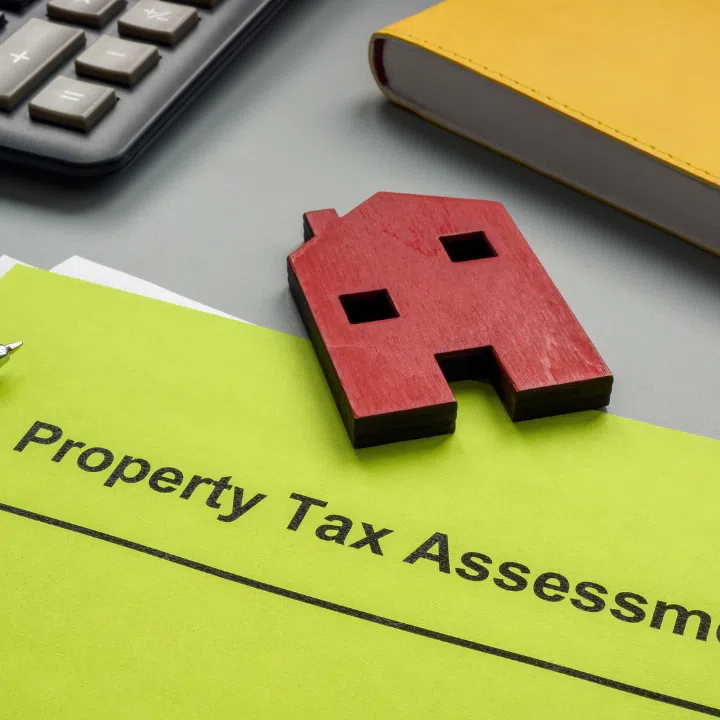
Another practical means of decreasing the amount owed for property tax is appealing the assessed value of the property. You can file an appeal if you feel that your house has been over-assessed, with the local taxing authority. Study the assessment report for any inaccuracies, or comparably priced properties in your neighborhood that have a lower assessment. Most times, writing an appeal with this kind of evidence can easily reduce your obligation of tax greatly for years to come. You may want to consider engaging the services of a professional appraiser or lawyer to make your case truly convincing.
6. Rent Part of Your House Out

Another creative option for generating the funds needed to cover property taxes is renting out part of your home. Whether you rent out a room, a basement, or even an additional unit, it’s a way to take some of the sting out of property tax payments. Find tenants through the increasingly popular Airbnb site or by utilizing traditional rental agreements. This provides immediate tax relief, and one can still receive the income, hence making it easier to budget and pay future taxes. Ensure you check local rental laws before proceeding so as not to experience any legal complications.
7. Look into State and Federal Tax Relief Programs

Homeowners can be in a position to receive some state and federal tax relief programs put in place to help those in financial stress. Programs like the Homestead Property Tax Credit or the Senior Tax Freeze Program can greatly help take some load off your taxes. Other states also have temporary relief for those homeowners whose states have gone through a natural disaster or financial decline. You research both federal and local options to see what is available in your area. These applications may be annoyingly time-consuming, but benefit long-term and have been proven to be much-needed relief.
8. Sell the Property Before Foreclosure

The last option would be to sell the property to avoid foreclosure and save one’s own equity. If you have substantial equity in your house, selling it before the local government places a tax lien on it may allow you to pay the back taxes and still walk away with some money. Of course, a quick sale is not ideal. However, as a proactive way of not losing the home entirely and ruining your credit, it’s better. You may also want to work with a real estate agent who deals with distressed properties so that you can expedite the process and get the best deal possible.
Take Action Before It’s Too Late

If you can’t pay your property taxes, something must be done immediately to avoid losing your home. Be it an exemption application, assessment appeal, or even research into tax deferral programs, the above options offer solutions to keep your home secure. Contact your local taxing authority for your options available and take measures to protect your financial future.