
AI is reshaping how we live. The world is changing, and with the strong presence of artificial intelligence right now, it is understandable why people are researching jobs that will disappear in the future. Imagine you have an entry-level job right now whose requirements you have met by honing a skill for years. It will be a blow to find a computer program to take away that job from you because it has somehow learned everything in a few days. Most companies are testing the waters of AI technology because they need robots who can do the same job for a fraction of the cost and who can function without rest for 24 hours a day. Most firms also treat their employees as replaceable cogs in a wheel, so AI domination is a genuine possibility in the next few years. So, what jobs will get hit first?
1. Entry-Level Writing


Even your grade-schooler probably knows about ChatGPT and how this can make the job of basic writing so much easier. Because this was one of the first fully-developed AI tools online, entry-level writing will probably be one of the jobs that will disappear. While there was an influx of web content development jobs in the early 2000s with human beings taking on the task, the accessibility of the Internet seems to have backfired on human writers. For jobs that do not require heavy research, it is so easy to use bots to write and rewrite text. However, some firms still stand by the quality of human-written content. The only way to really get past this if you plan to keep your writing job is to improve and be better than any AI text generator.
2. Website Development Jobs


According to a study, about 32% of workers in the IT industry will be affected by AI. It’s just a matter of time before AI also takes over the preliminary needs of website development. With most websites answering to mere formulaic necessities, it’s easy to keep jobs like website design and programming automated. This might be good for firms looking to save money on overhead costs. However, it’s bad news for people who are studying to develop websites manually. If you are afraid that this will soon be included in jobs that will disappear in the future, perhaps it is time to learn a new skill that is more AI-proof.
3. Assembly Line Careers

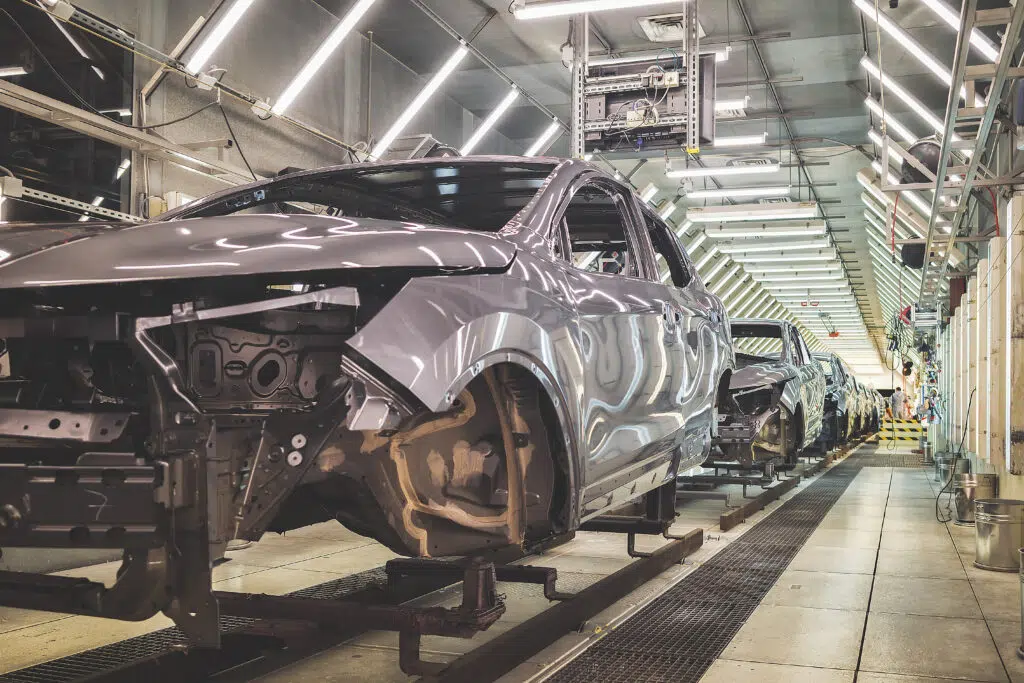
Jobs in the assembly line will certainly be one of the jobs at risk of automation. Some countries have started to let a larger part of their production line include robots. Of course, at this point, the assembly line is still not absolutely free of humans. However, the mere presence of robots in the production line means a significant number of people were let go.
4. Warehouse Careers

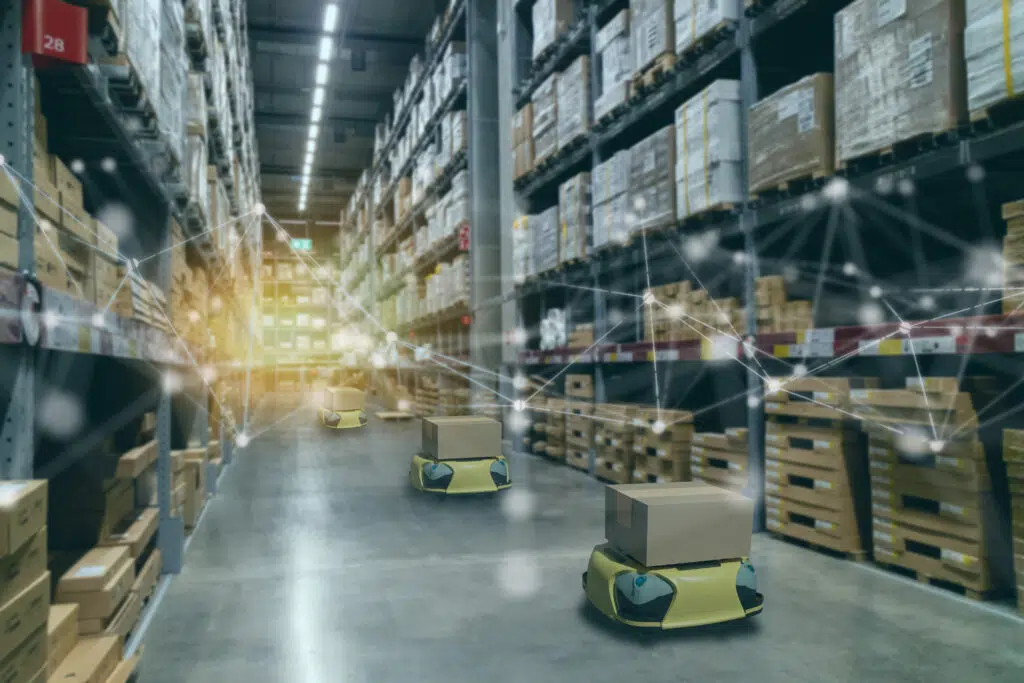
Currently, humans sort and note large bulk orders in warehouses, especially in China. This takes immense skill, especially with the sheer number of orders from shopping websites daily. However, with the fast development of AI and robotic technology, several manual-labor warehouse careers will soon be jobs that will disappear in the future. It is also understandable how these jobs can be considered obsolete in 2030. While it is admirable to see a human being sort in a split second, human errors are possible. With the help of machines that can work more efficiently and consistently, AI will possibly take over this career line soon.
5. Payroll Jobs


Payroll management and other financial jobs that are the backbone of any company may soon be jobs most likely to go extinct. These jobs are considered rigorous, so some employees may welcome a bit of automation in the process. However, complete automation of payroll processes may mean huge layoffs are going to take place in companies. The only hope left is that AI for this is still in the works, and there are still flaws in the process. Sometimes, when the numbers don’t add up, it takes an actually human to spot the glitch.
6. Customer Service Jobs


There was also a growth of customer service jobs, especially those over the phone, some 20 years ago. However, companies are now finding it less costly to incorporate AI machines to do the tasks for them. These days, bots are used to sort and answer emails and chats. Some over-the-phone customer service needs are also being done by AI technology. While this might be one of the good-paying jobs that might soon decline in the next decade or so, it is still comforting to know that some clients prefer human customer service agents. While this profession might not be completely turned over to machines, there will be less demand for human employees in this area as AI technology advances.
7. Air Traffic Control


Admittedly, AI can handle some jobs at the airport. One potential area is air traffic control. While this is one of the jobs that will soon disappear for human beings, it is nice to know that experts think AI is not developed enough to be left alone in this area. Too many lives are at risk for a cold turkey trial. AI may be helpful for now, but humans still lead decisions from the watchtower.
8. Administrative Support Jobs


With most things being handled remotely from firms, it is unsurprising that administrative support jobs count as careers at risk in the next decade. If executives can talk to Siri or Alexa for basic research requests online and letters can be composed using software programs like ChatGPT, executive secretaries would do well by upping their game plans and learning future-proof career skills. The key here is to take over AI tools before it takes over your job. Be updated so you can use them to your benefit in your career. Also, remember that most executives, or at least the older ones, do not care to keep themselves updated with technology. If you are in an administrative support role, learn to use AI to be more efficient at your job instead.
How To Keep Jobs Disappearing In The Future


Human beings are designed to adapt. We are not static creatures. The more welcoming we are of change, the stronger we fare in life. Do not be threatened by AI changing careers in the future. Instead, keep up and find ways to use AI as a tool instead of treating it as your competitor. After all, in this rat race, the survival of the fittest rule still stands true.