
You need to understand that not all grocery store deals are created equal. Also, not every deal is worth your time. While discounts can be tempting, some end up being poor investments. Here’s a list of grocery deals that may not be worth the money.
1. Bulk Snacks That Go Stale
While buying snacks in bulk may seem like a cost-effective option, it often leads to waste. Snacks purchased in large quantities tend to go stale before they can be consumed, negating any potential savings. Therefore, buying smaller packages is a more practical approach to ensure freshness and prevent unnecessary waste.
2. Pre-Packaged Salad Kits with Limited Freshness
Salad kits are convenient. They contain everything you need to make a delicious salad. The only problem is that they often have a short shelf life. Additionally, they can be pricier than buying ingredients separately and assembling the salad yourself.
3. “Buy One, Get One” Offers That Encourage Waste
“Buy one, get one” grocery store deals often seem like a good idea, and most of the time they are. However, they are not always the best deal that you can find. Such sales can lead to overbuying and wasted food. If you can’t consume the extra item before it expires, you’re not actually saving money.
4. Discounted Perishables Near Expiration
I’m a fan of buying products that are near expiration. However, you need a plan to consume those foods quickly. Even though they may be cheap, they need to be used immediately. If not, you can risk getting sick or the items going bad. Buying these items often means rushed meal planning or wasted food.
5. Brand-Name Items That Aren’t Worth the Markup
People get stuck on the hype of brand-name items. While they may be our favorite, the generic brands are often very similar to high-cost brand-name items and far more cost-effective. Opting for store brands can yield similar quality at a lower price.
6. Pre-Cut Fruits and Vegetables with a Premium Price
For individuals with hectic schedules, pre-cut fruits and vegetables offer convenience. Nonetheless, this convenience comes with a price premium. Instead of spending five to six dollars on a small quantity of pre-cut fruit, one could purchase a whole piece of fruit. Whole produce is typically more cost-effective and maintains its freshness for a longer duration.
7. Frozen Dinners that Don’t Deliver on Quality

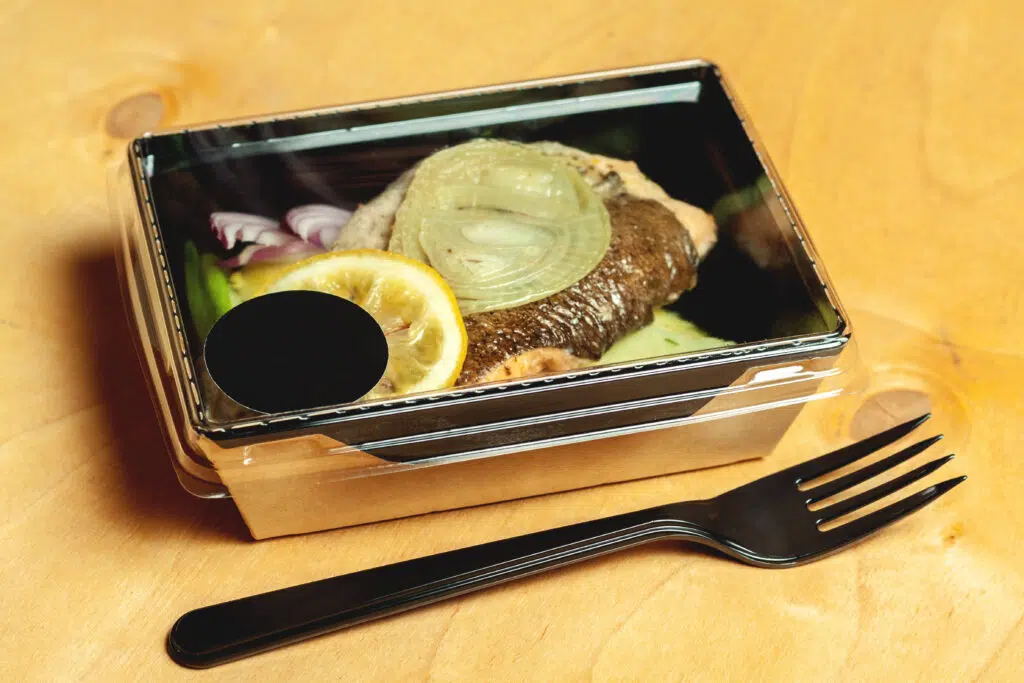
Frozen meals are convenient and easy. When you don’t want to cook, it’s as simple as popping it into the microwave for a few minutes, and wallah, you have a full meal ready to go. However, some frozen meals seem like a bargain when they’re not. Not only can they be higher cost, but they often contain low-quality ingredients. Many are also high in sodium and lack the nutrients of a homemade meal.
8. Seasonal Products on “Sale” After Holidays
Post-holiday discounts can tempt shoppers, but some items go unused or get tossed. Stocking up on holiday-themed products might not be a wise choice if they’re not versatile. The only after-holiday products I like to buy are things that will be suitable as non-perishable gifts.
Deciphering Good Deals
Not every “deal” is a good one. Smart shopping means knowing when to take advantage of deals and when to skip. By avoiding these common pitfalls, you can make sure your grocery budget goes further.