
Consumer habits have changed over the years. With younger generations, priorities lie on convenience and experience over traditional brick-and-mortar retail stores when it comes to shopping. Many stores that were once thriving are struggling to attract customers under 40. Here’s a look at seven such retailers that seem to be losing their appeal with the younger crowd.
1. Sears: The Original Department Store Giant


I’m almost 32, so I remember when Sears was in its heyday. At one point, it was the go-to retailer for just about everything. You could get appliances, clothing, and everything in between. Now, it’s really a shell of its former self. This is because it hasn’t changed much in the digital age. You can order things online, don’t get me wrong. However, the layout of the store feels dated and Sears hasn’t been able to maintain an engaging social media presence. As of September 2024, there were only nine Sears stores left in the United States and Puerto Rico.
2. JCPenney: Struggling to Find Its Niche


JCPenney is in the same vein as Sears. They were both staples in shopping malls for years. Ultimately, JCPenney has struggled to find its footing in the current market. Many younger shoppers see the store as outdated and Penneys hasn’t been able to keep up with competitors like H&M. What they have to offer in-store feels like they’re stuck in the past and the lack of seamless online shopping isn’t doing them any favors either. In 2020, JCP filed for bankruptcy after falling into debt to the tune of $5 billion.
Simon Property Group and Brookfield Property Partners were able to save the retailer by acquiring JCPenney for $800 million. Although there haven’t been any major changes in how the business is performing, they’ve been able to keep 670 stores open in the U.S. and Puerto Rico. They also have a turnaround plan that includes store remodeling and a revamp of the company’s website. So, there may be hope for this once-popular retailer still.
3. RadioShack: Outpaced by Technology


RadioShack was the go-to store for tech enthusiasts. Unfortunately, it has failed to keep up with advancements in technology (ironic, huh?). Younger shoppers tend to look at online retailers like Best Buy or Amazon for their tech needs. This is because they have a wider selection and usually have better prices. More than that, DIY electronics, once its specialty, are now a niche market overshadowed by ready-made gadgets. RadioShack’s inability to evolve has rendered it virtually irrelevant.
In the past nine years, RadioShack has had three different owners, with Unicomer Group taking ownership in 2023. There are about 500 stores still in operation and they have been working on establishing an improved online presence.
4. Abercrombie & Fitch: From Cool to Cringe

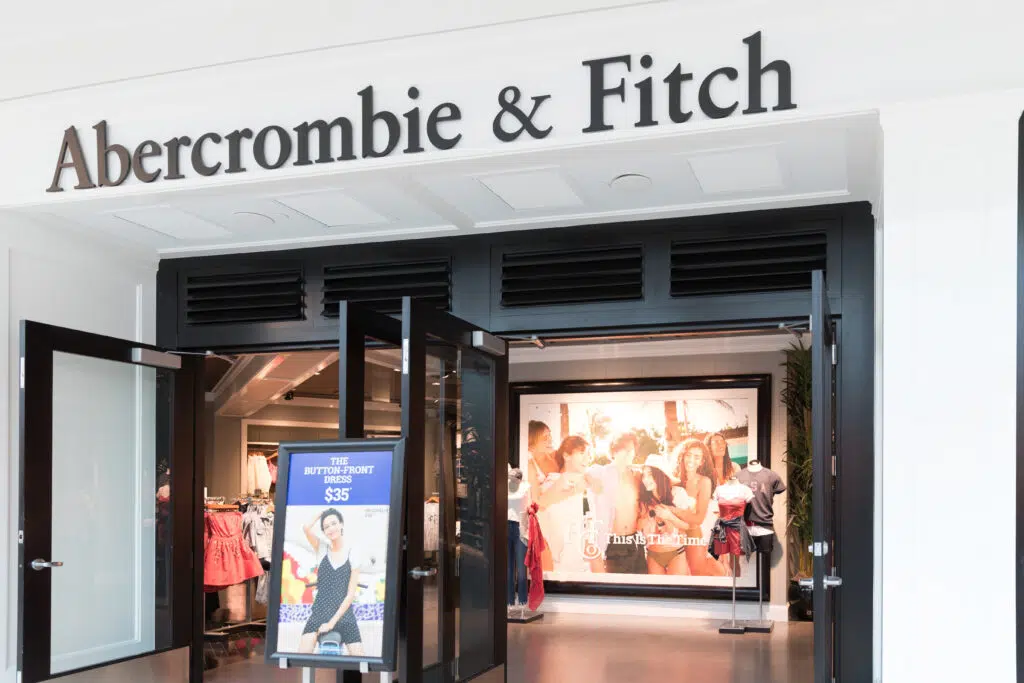
Abercrombie & Fitch was the epitome of cool when I was growing up. As Millennials have gotten older, its appeal has drastically declined among younger generations. The store’s dimly lit interiors, overpowering cologne, and exclusive marketing tactics now feel dated and uninviting. That said, the brand is doing what it can to turn things around. While there are only 247 stores still open, things have improved somewhat. Since 2017, they’ve been able to increase sales by 30% and stock prices for Abercrombie & Fitch have gone up.
5. Bed Bath & Beyond: Overwhelming and Outdated


Bed Bath & Beyond, as we once knew it, is history. BB&B was once a favorite store for home goods, but many younger people found it overwhelming and inconvenient. Younger generations tend to be drawn to a more minimalist lifestyle and Bed Bath & BEyond’s abundance of options was a little too much. Even though they tried to innovate, all of the brick-and-mortar locations closed. Now, it only has an online presence and the company is owned by Overstock.com.
6. Macy’s: A Struggle for Relevance

Macy’s was a department store icon forever, but now it is seen as a store that caters to older people. Many of the styles and the branding don’t reflect the tastes of younger generations. Macy’s is also struggling to keep up with online fashion retailers. While they aren’t going out of business, the traditional retailer has announced plans to close 150 stores through 2027, 50 of which will close before the end of this year. They have said that this is part of a growth strategy. The company plans to focus on the remaining 350 stores as well as its Bloomingdale’s and Bluemercy brands, which seem to be resonating with a younger audience.
7. Gap: Lost in the Fast-Fashion Wave


Gap was once a leader in casual fashion. However, it has struggled to keep up in recent years. Real trouble struck during the COVID-19 pandemic, when many traditional retailers were confronted with their lack of online presence. Since 2020, Gap has closed 350 stores in an effort to address the online demand. The Gap, Inc. is far from out of business though. The company also owns Banana Republic, Athleta, Intermix, and Old Navy. Out of the more than 3,500 stores under The Gap, Inc., 472 are Gap-branded storefronts. While they might not be doing the best, the other brands are still fairing well. So, even if Gap “disappears,” the name will still be behind some popular clothing stores.
A Wake-Up Call for Traditional Retail

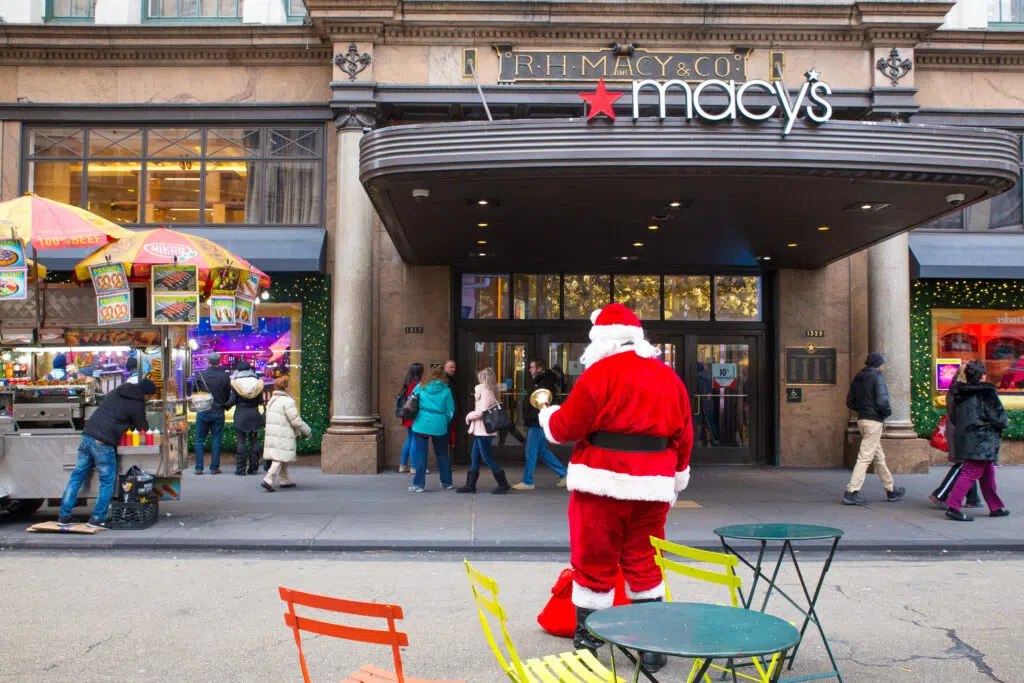
Many of these stores are making attempts to adapt to the changing retail landscape. Millennials and Gen Z shoppers rule the market right now and many of them prioritize convenience, inclusivity, and sustainability. To stay relevant, these seven retailers are going to have to make some serious changes or face going out of business.