
Rust is a common problem for many car owners, especially if you live somewhere it snows a lot or there is a lot of moisture in the air. However, it’s important to keep in mind that every car is susceptible to rust. No one is safe. That said, there are some things, like weather, materials, and other factors that can play a role in your car rusting faster. Understanding the causes can help you take preventative measures to keep your car in the best condition.
1. Climate and Weather Conditions

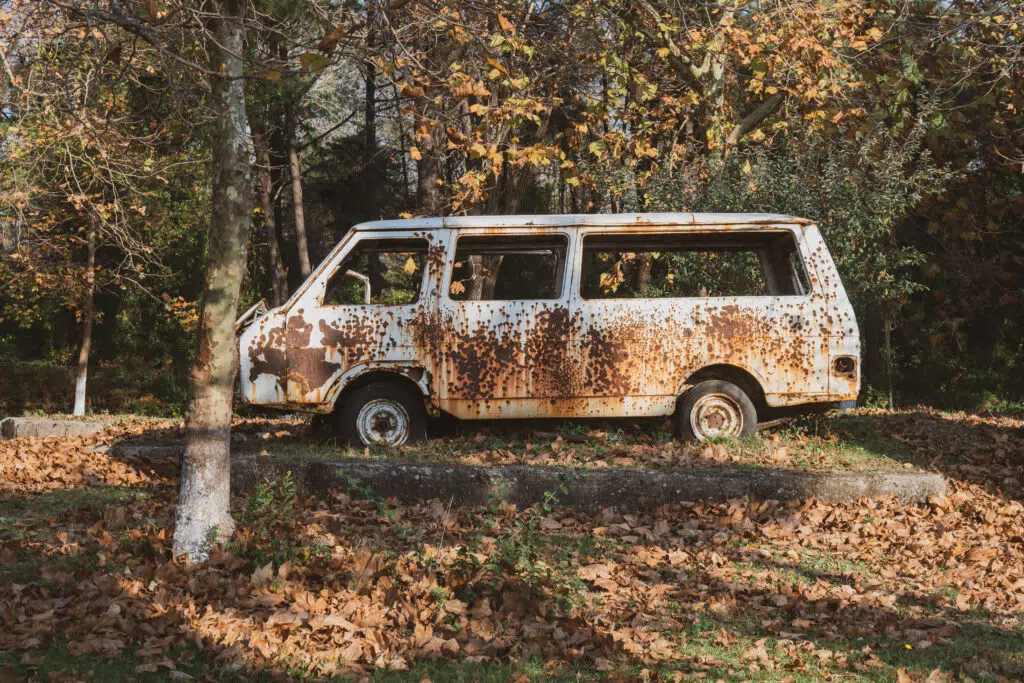
As mentioned above, weather and climate conditions can play a big role in whether or not your car develops rust. Coastal areas with salty air can accelerate rusting on your vehicle. This is because salt increases the conductivity of moisture, making it easier for oxidation to start. Humidity, rain, snow, and even frequent exposure to morning dew can all lead to rust as well. Generally, cars in wet or salty environments have the tendency to rust faster than those in dry climates.
2. Quality of Materials and Coatings

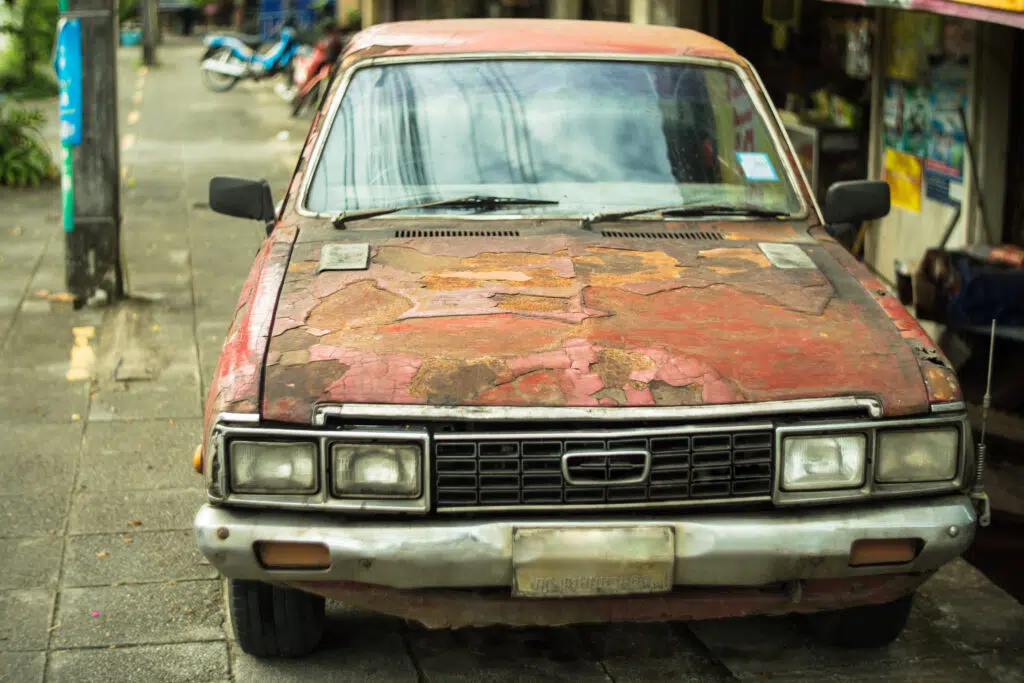
The quality of materials used to build your vehicle and coatings over your paint can also have an impact on rust forming. High-quality steel and rust-resistant alloys can help delay the formation of rust. At the same time, cheaper, low-quality metals will be more prone to rusting. Premium and luxury brands will usually invest in better rust-proofing materials compared to budget car models. If you are concerned about rust, you can opt for additional coating for your undercarriage and other services to help protect your vehicle.
3. Frequent Exposure to Road Salt

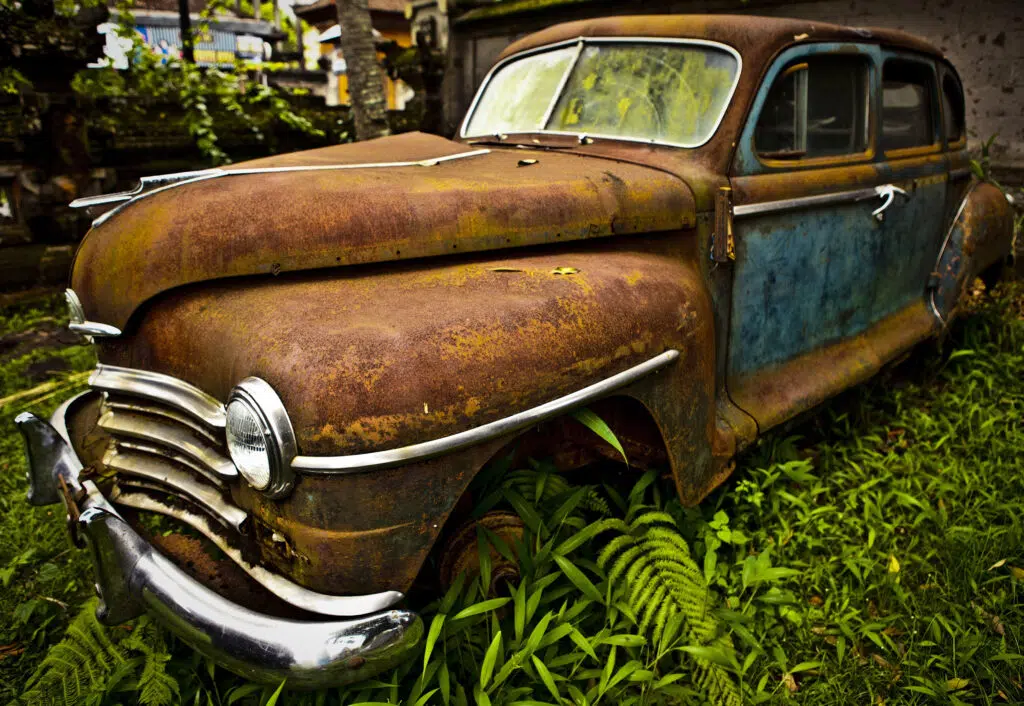
Colder climates will often have to use salt on the road when there is ice or snow. This makes the roads safer to navigate, but it can have a negative impact on your car. The salt from the road can get attached to the undercarriage of your car, which speeds up the rusting process. Most people don’t think about washing the underside of their vehicles, especially when it is cold outside. It’s important to regularly clean underneath your car if you frequently drive on salted roads.
4. Poor Drainage Design in Certain Car Models

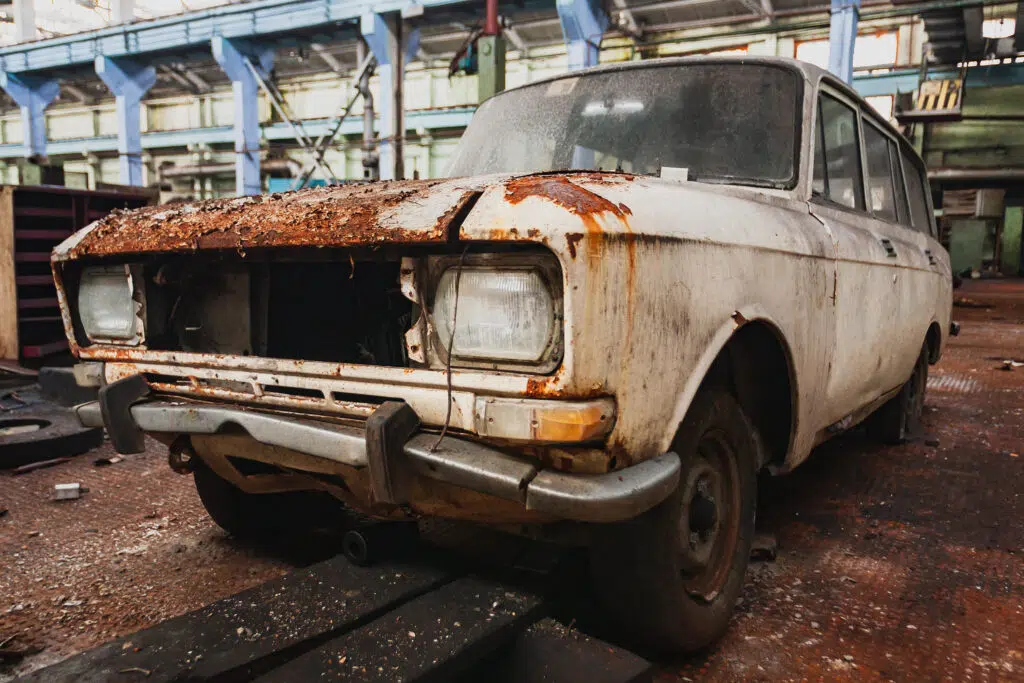
Unfortunately, some car models are more prone to rust than others. This is due to design flaws that lead to poor drainage. Areas like the doors, wheel wells, and undercarriage are impacted most often. When the water isn’t able to escape or dry properly, it encourages rust formation. Some cars that are known for rusting include the Ford Fiesta, the Jeep Wrangler, and the Toyota Rav-4. Older cars are also more susceptible to rusting because the drainage systems were less advanced.
5. Type of Paint and Finishes Used

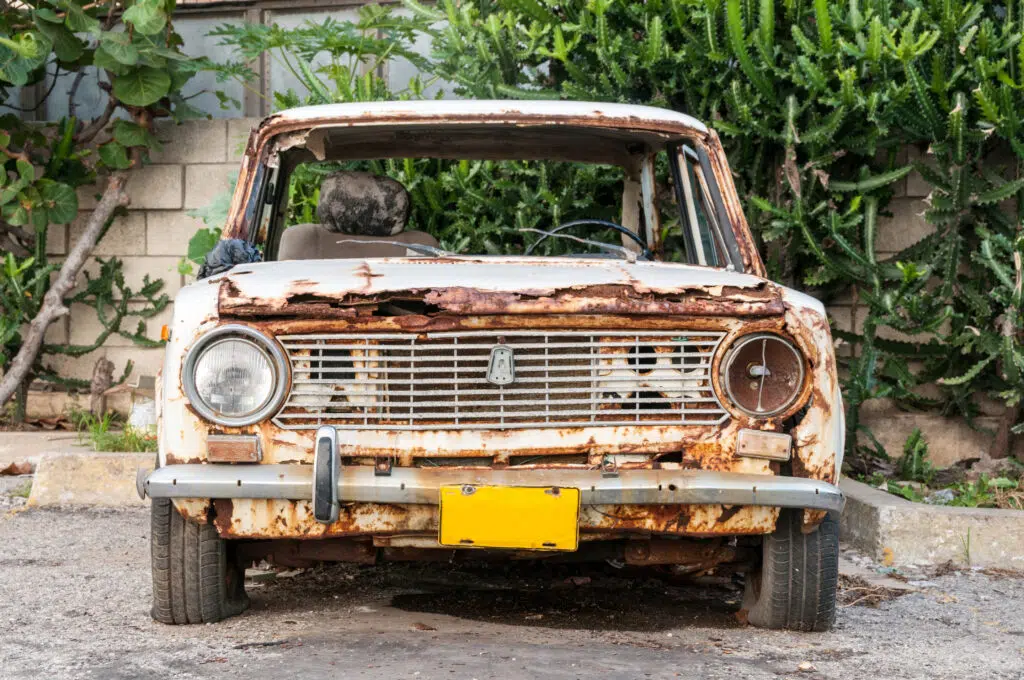
The type and quality of the paint used on your car have an impact on its resistance to rust as well. High-quality paints will act as a barrier between the metal and moisture. Some manufacturers choose a thinner or cheaper paint for more budget-friendly vehicles. This leaves the metal more exposed. Additionally, chips and scratches in the paint can expose the metal underneath as well, leaving it prone to rust.
6. Driving Conditions and Habits

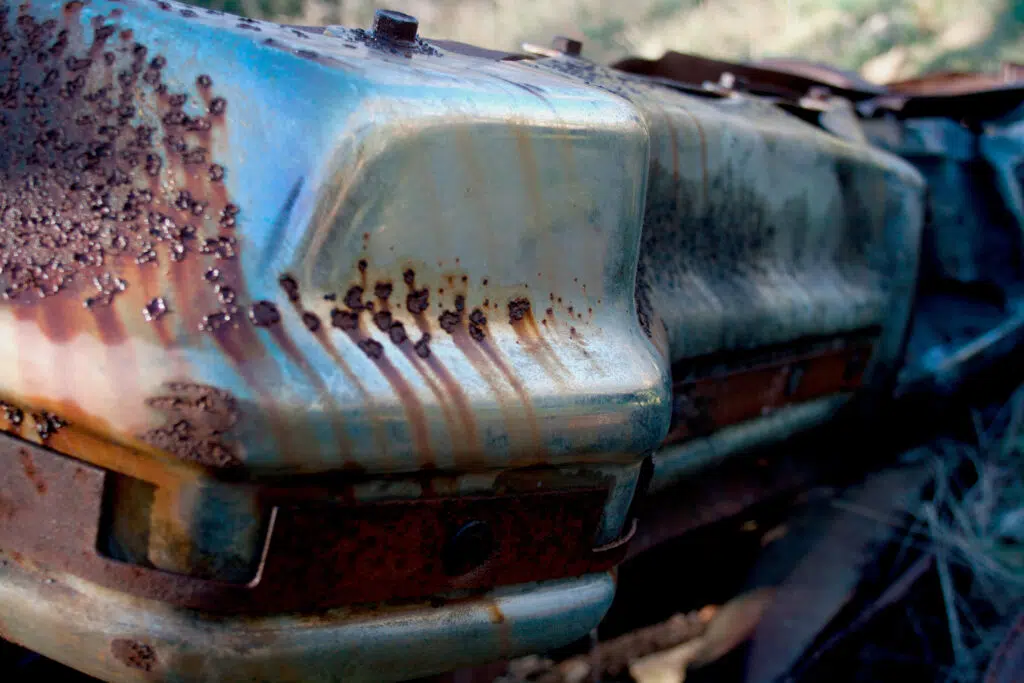
How you drive and where you drive will also have an impact on how quickly your car rusts. If you take your vehicle off-roading on gravel paths, it can cause small dents and scratches. As mentioned, this will leave the metal exposed to moisture. Believe it or not, city driving with frequent stops and slow speeds can also lead to rust due to prolonged exposure to salt, dirt, and moisture. If you leave your car parked outside, especially near sources of water, you might find that it rusts faster as well. Regular cleaning and maintenance can help you slow it.
7. Age and Mileage of the Car

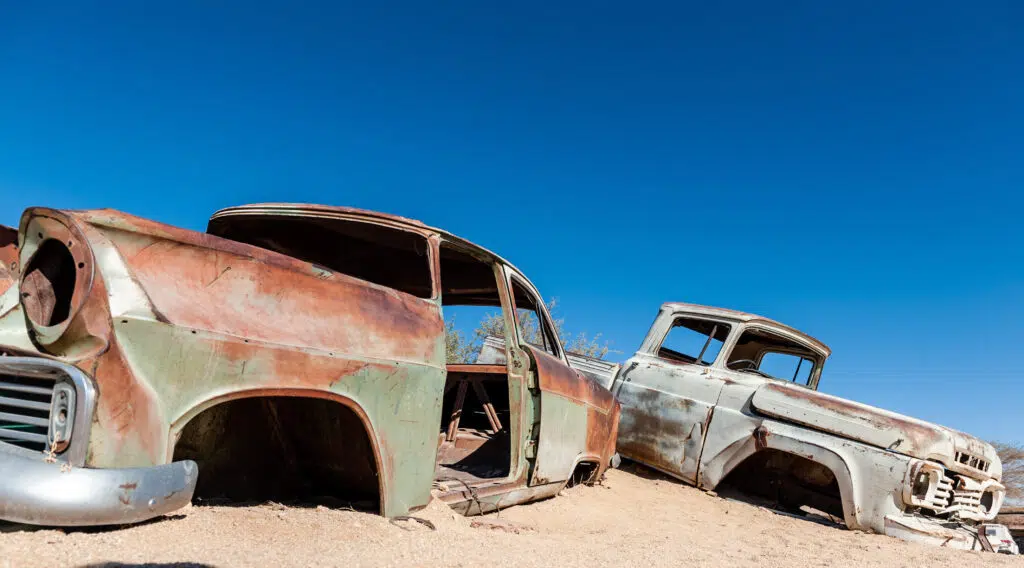
Older cars are just more prone to rust. It’s just a fact. Protective coatings and metal surfaces will wear down over time. Small spots of rust can grow and spread quickly if they aren’t treated or repaired as well. For older vehicles, regular maintenance and rust treatment can help you extend the life of your car. Ultimately, age will always be a factor when it comes to rust development.
Protecting Your Car from Rust

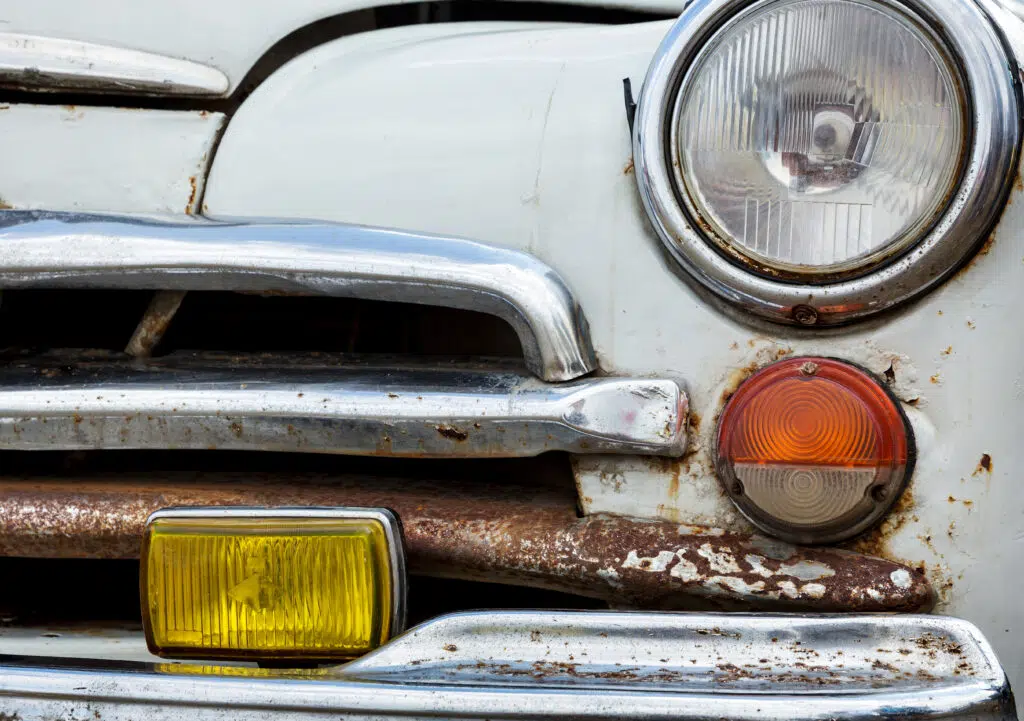
Knowing why rust forms more quickly on some cars than others can help you make better choices when you are buying and maintaining your vehicle. There are a number of things you can’t control, like climate and road conditions. However, you can help slow the development of rust by performing regular maintenance and treating rust when you notice something has happened. With the right care and awareness, you can slow the rusting process and keep your car looking and performing its best for years to come.