
Many of us know that loud snoring is a symptom of sleep apnea. Yes, it’s true but not everyone who snores has sleep apnea. Conversely, not everyone who suffers from sleep apnea snores.
One of the causes of sleep apnea in adults is obesity related to the tissues of the mouth and throat. When we sleep, these muscles tend to get relaxed and the soft tissues block the airways.
Approximately 50-70 million US adults experience sleeping disorders, among which obstructive sleep apnea is the most common.
If you feel you might be suffering from this too, here are six symptoms to help you figure out.

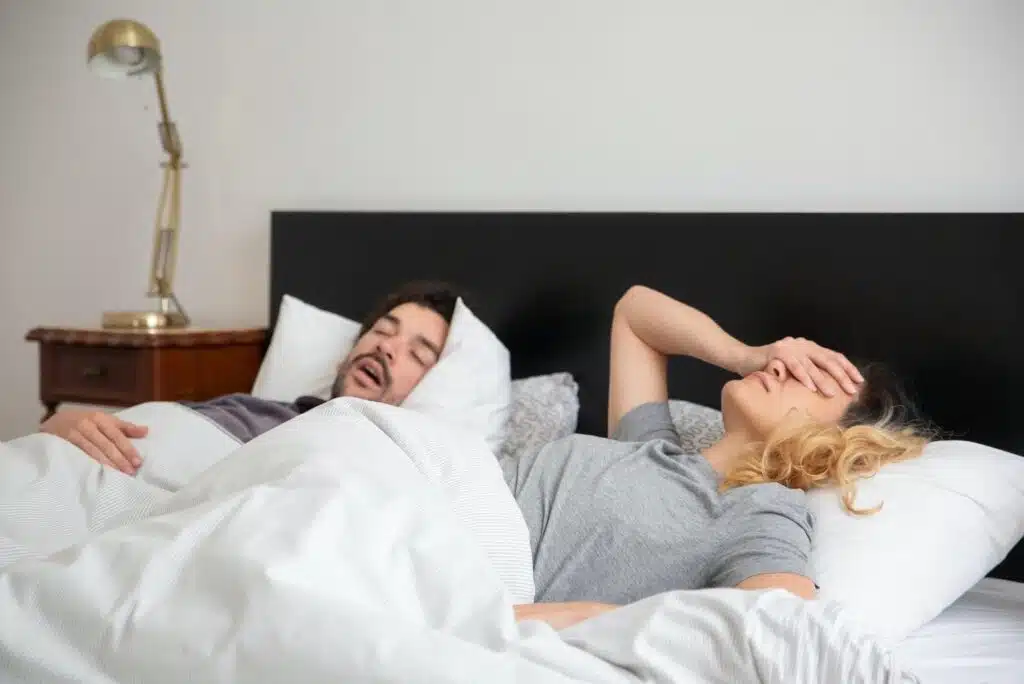
1. Loud snoring
This is one of the most common symptoms of sleep apnea. The snoring is often very loud, loud enough to wake others around you. It might come and go through the night.
This is a symptom that the person themselves might not be able to figure out but if anyone sleeps next to you or stays in the same house as you do, you can ask them to keep an eye on you.
However, as mentioned earlier, not everyone who snores suffers from sleep apnea and people suffering from sleep apnea may or may not snore.
2. Morning headaches
Scientists aren’t really sure why morning headaches occur in patients suffering from sleep apnea, although the probable cause is poor sleep.
Poor sleep occurs due to a lack of oxygen flowing smoothly through the lungs and airways.
If you wake in almost every morning with groggy eyes and a headache that just won’t seem to die down, it might indicate sleep apnea.
If you feel you need some help, there are many sleep apnea clinics all over the country that are there to help you out.
3. Restless sleep
Although a lot of things can cause restless sleep, one of the strongest symptoms of sleep apnea is restless sleep and insomnia.
Waking up in the middle of the night for no reason at all or not being able to sleep throughout the night can mean you suffer from obstructive sleep apnea.
Many patients who suffer from this have said that they have woken up from nightmares too.
Research has shown that there is a strong connection between sleep apnea and nightmares, but we don’t know how they are connected.
4. Fatigue
If you feel very sleepy or tired throughout the day, despite having a good night’s sleep the previous night, you should go to a sleep apnea clinic for a checkup.
You might not be aware, but breathing problems caused by obstructive sleep apnea can cause you to get up several times a night.
Again, this is something you might not understand as you’re sleeping, so ask someone else to observe your sleeping patterns at night.
Feeling tired or lethargic all day can also give rise to headaches or pain in other parts of your body. Before things get worse, it’s best to get yourself diagnosed in a reputed clinic.
5. Depression
Many might not know it, but another symptom of sleep apnea is depression.
This is mostly due to poor physical health and constant feelings of tiredness or demotivation.

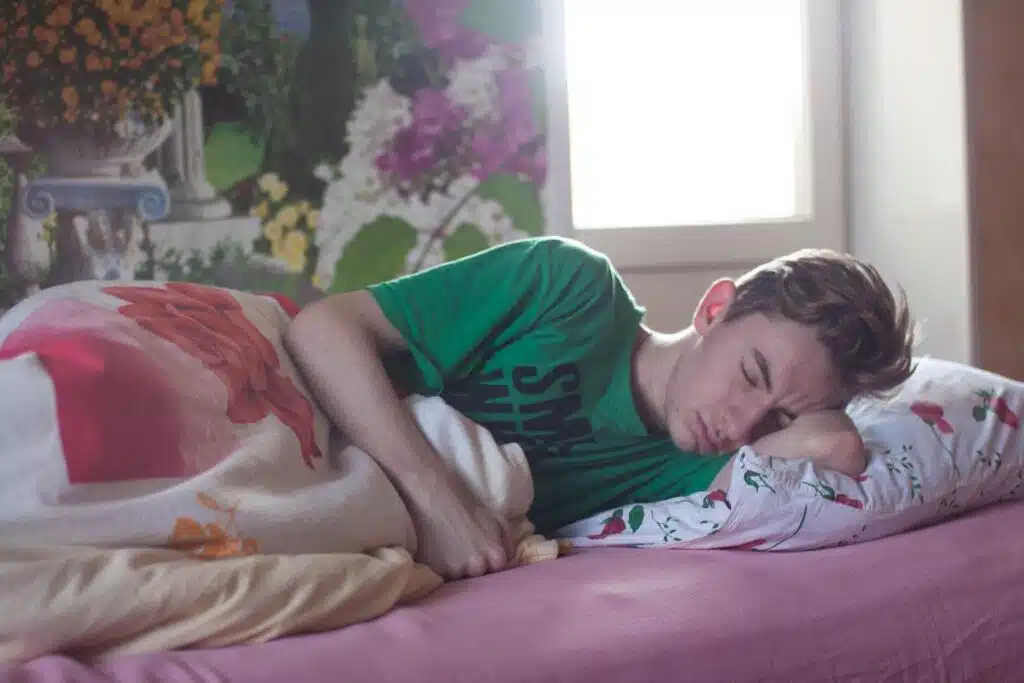
If you notice that you’ve been feeling especially low and negative for the past few days or weeks, you should go to a therapist or counsellor to see if you suffer from depression or not. In case you do, it would do well to figure out the root cause of your depression.
If your therapist or psychiatrist sees that the depression is caused due to restless sleep, they might tell you to go for a sleep apnea diagnosis.
6. Waking up gasping
Do you often wake up in the middle of the night with a choking or gasping sensation? If yes, then it is a strong indication of sleep apnea.
This happens mostly because the oxygen isn’t able to reach your lungs properly and this causes a shortage of breath.
Coupled with snoring and restlessness, you might be feeling that someone is choking or strangling you as you sleep. This can also lead to nightmares.
Over to you…
If you feel that you’re showing some or all of these symptoms, talk to your doctor about it.
They will refer you for a sleep testing diagnosis.
Don’t worry, this condition is easily treatable with various techniques like Continuous Positive Airway Pressure (CPAP) therapy or home remedies.