
Some people like to spend their holidays in a house by the sea or mountains.
In contrast, other people – like us before leaving on this long journey – have tried their hand at converting a car, a van, or a truck because they needed to see that It was time to spend whole days touring remote, untouristed areas.
If you belong to this type of person, we would like to share some tips with you to make the most of the space available in your vehicle, which, as we will see, will always be more.

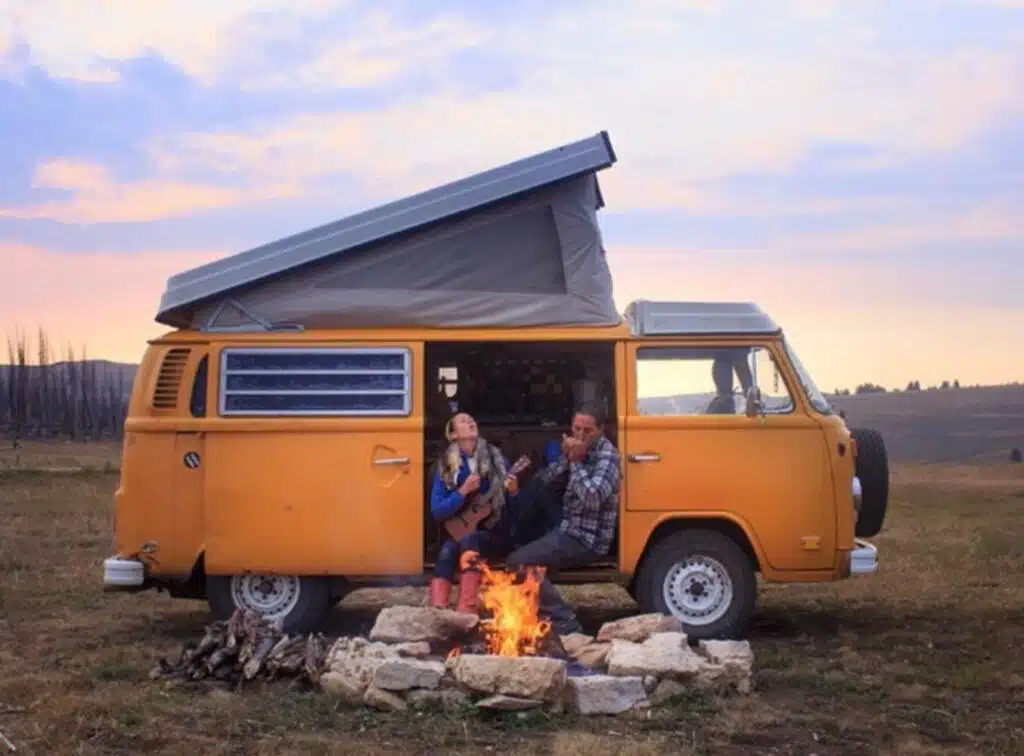
First, we want to remind you how important it is not to underestimate the comfort you enjoy at home.
Many interpret life or travel on four wheels as the need to reduce everything to a minimum. However, as far as we are concerned, this is not the case.
A functional, long-lasting setup that makes the journey something different than suffering must be designed to guarantee comfort on board as much as possible.
Evaluate the needs, and avoid buying a vehicle just because you like it! On the road, the basic needs at home are food, water, and sleep.
Before making other decisions, it is necessary to ensure that basic needs are met. When you travel and live a long time on a four-wheeler, life can be fun, but it can also be less fun.
During months of travel, exciting events can happen, while others can make you uncomfortable, and occasionally you can get bored. In short, travelling, you will need to be prepared for many different situations.
In this period, van life has brought the four-wheeled lifestyle to the attention of many potentially interested or simply curious people.
So it can happen to feel intimidated by all the imaginative van conversions that can be admired, especially on Instagram.

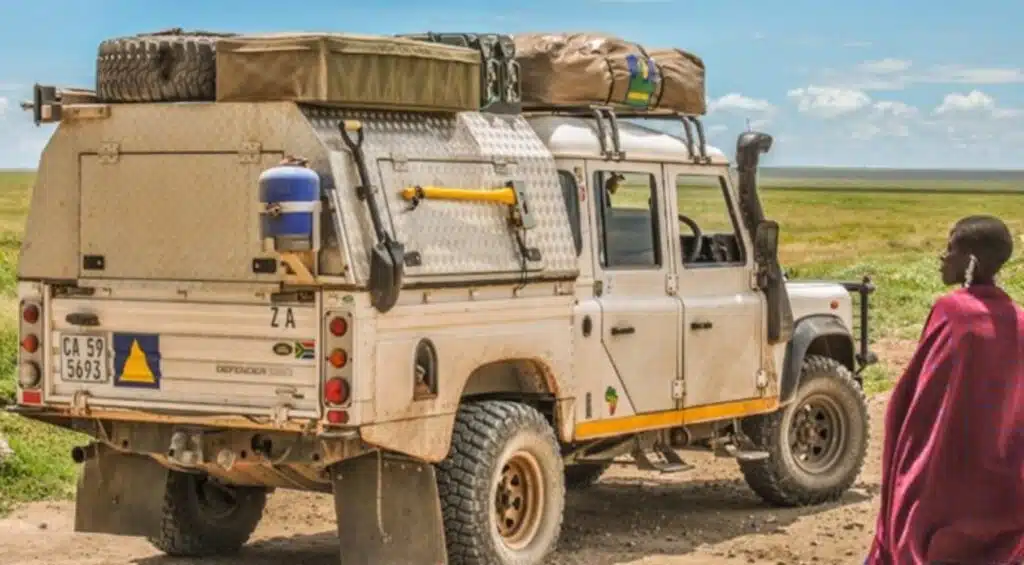
We can tell you right away that you will absolutely not need a new 4×4 van with a state-of-the-art luxurious interior to start your journey. Any van that runs well and is properly maintained will do the job well.
Following the advice below, you can start your journey in no time. The starting point is to evaluate your actual needs well, then buy.
Be aware of appearances; more than half of the vehicles that seem equipped to survive a nuclear disaster are flashy tools, not very suitable for anyone’s needs.
Aesthetics are in the background at the moment. We are not choosing a car or a motorcycle, but rather the basis for building a vehicle where you will have to spend a lot of time.
It is, therefore, not a question of first choosing the car we like best and then finding the best compromise.
We repeat it once again for the concept to be clear, once you understand your needs and start looking for your vehicle, you will see that you will not find yourself during a flood of possibilities, quite the contrary.
So, rule number one is only buyafterore you have clear ideas about the setup you need.
Rule number two: think more about how to spend your money on travel rather than how to waste money on useless Options.
50 Points of advice to think about before choosing the vehicle in which to live while travelling
Essential preparation of the vehicle on which to live your trip
1. Give your vehicle a name. You will be amazed to experience the sensation of treating your four-wheeler better when you call it by name. For example, our truck is called Valentino.
2. Build a large bed, and keep its size. Otherwise manageable, you may regret it.
3. Think of closets where you can store the clothes you use most often. This will prevent digging through the drawers or the wardrobe every morning. Forget containers such as suitcases or similar, and they are too uncomfortable. Try to create a space for hangers; this is the best way to stow towels and jackets.
4. If you are travelling as a couple, plan separate spaces for each.
5. A small set of drawers will be a great addition if you have space. Drawers are always the best, most convenient, quick and space-saving choice.
6. Install a mirror, at least large enough to hold your face. Avoid limiting yourself to small handheld mirrors.
- Install LED lights independent of the vehicle’s main battery. Nothing must depend on the starter battery, never!


8. Make sure your windows have blinds and fly screens. The most important thing to sleep well in a vehicle is to feel safe and away from prying eyes. For this reason, also evaluate the vehicle’s height well since this also helps to make the interior less visible.
9. Buy a suitable solar panel inverter and provide enough plugs for your phone and computer; double if you travel with someone. Don’t think you won’t need electricity while travelling, otherwise you will always end up at McDonald’s.
10. Invest in a good lithium RV battery don’t undersize your daily use, and vice versa. You could have problems very soon.
11. Buy a good cooker and a solar panels system. Think of the problems with using gas in different countries, as the cylinder connections are practically everywhere other.
12. It is essential to have a rack for storing dishes to dry.
13. Provide opposing windows for ventilation. However, in well-insulated vehicles, please do not overdo it since the same windows are the first source of heat entry and exit due to their poor thermal performance. Consider getting double-paned windows in larger vehicles. Sometimes you see vehicles covered in windows. These are identical vehicles whose owners complain about internal air conditioning problems.
14. Install ventilation fans in the bathroom and provide one for humidity. Don’t go overboard with the holes in the roof, though.
The interior of the vehicle, home life on four wheels
- Install a sink, don’t be minimalistic even in this.

16. Provide a place to place the rubbish and its differentiation. Remember that it will be something you will need to empty often.
17. Also, provide lockers in the driver’s cab to store the things used most often while the vehicle is moving. Avoid accumulating objects on the dashboard or the seats, as they could become a source of interest for potential thieves.
18. Keep some rags handy. They are always helpful in case you need to clean something quickly.
19. Do the cleaning every morning and put in order the things that can break while driving.
20. Each object must have its fixed location. Refrain from inventing closets during the trip because they could not work and cause damage.
21. We recommend using a fixed bed that is always ready and separate from the living area. This makes life easier and, last but not least, allows you to take advantage of different spaces during the day on board.
22. Provide a mat in front of the entrance door since it is beneficial to avoid bringing in dirt or even pebbles that could damage the floor. Leave your shoes at the entrance.
23. Clean regularly. Wash the outside, vacuum, and clean the surfaces like you would clean your home. Vans quickly become dirty when neglected.
24. Compartmentalize everything. We have several lockers where we store different things: tools, camping materials, and liquids.
25. Do not bring unnecessary things with you. Optimize the available space.
During the trip
26. Off-season travel is better. There are many places in the world where it is warm enough to live in a van, camper or truck when the rest of the world is busy with school or work schedules. Prices are lower, parking areas are more accessible, and nights are generally quieter.
27. We recommend going off the beaten path. The secondary roads are almost always able to reward the effort with much more exciting panoramas than those visible from the main roads. Think of a cartographic navigation system, for example, some mobile phone APP that works offline.
28. It is different from the style of travel we are following now. However, we realize that for shorter experiences, it is essential, namely: Plan ahead. Sometimes planning can create a feeling of anxiety; however, knowing how to make the most of the preparation moment will help save time and better enjoy travel moments.
29. Especially when you are near cities: If you cannot find a place to park near an area of interest, do not despair. Look for a parking space where you least expect to find it. Sometimes, for example, parking spaces become free at night since, during the day, they are occupied by commuters or day users of parks or amusement areas for children. However, sometimes it can become frustrating not to find the right place, and also, for this reason, a vehicle suitable for an emergency stop can make a difference.
30. As far as we are concerned, we prefer places to stay overnight that is not paid for. Petrol stations, truck stops friend’s houses, supermarket car parks, cinema car parks, parks. Some hotels could also be helpful. In this case, by making arrangements with the owners of the accommodation facilities, those who do not have a shower available could ask for permission to use the bathroom in a room.
31. No matter how hard and pure you are, you will often find places to park that are not flat. It is useless to think that you are ready for anything anyway. Bring wedges or wedges with you to level the vehicle before bed.
32. Try to protect your windshield with reflectors when you park in the sun. This is both for privacy and to avoid heating the interior of the passenger compartment before nightfall. It is essential to use the same reflectors, even in winter, to help keep the heat inside.
- On sweltering days, if your vehicle is not equipped with adequate insulation, you can consider going to a car wash to freshen up the entire car before going to sleep. Using coin-operated washing machines, the result is excellent, and it’s also cheap.

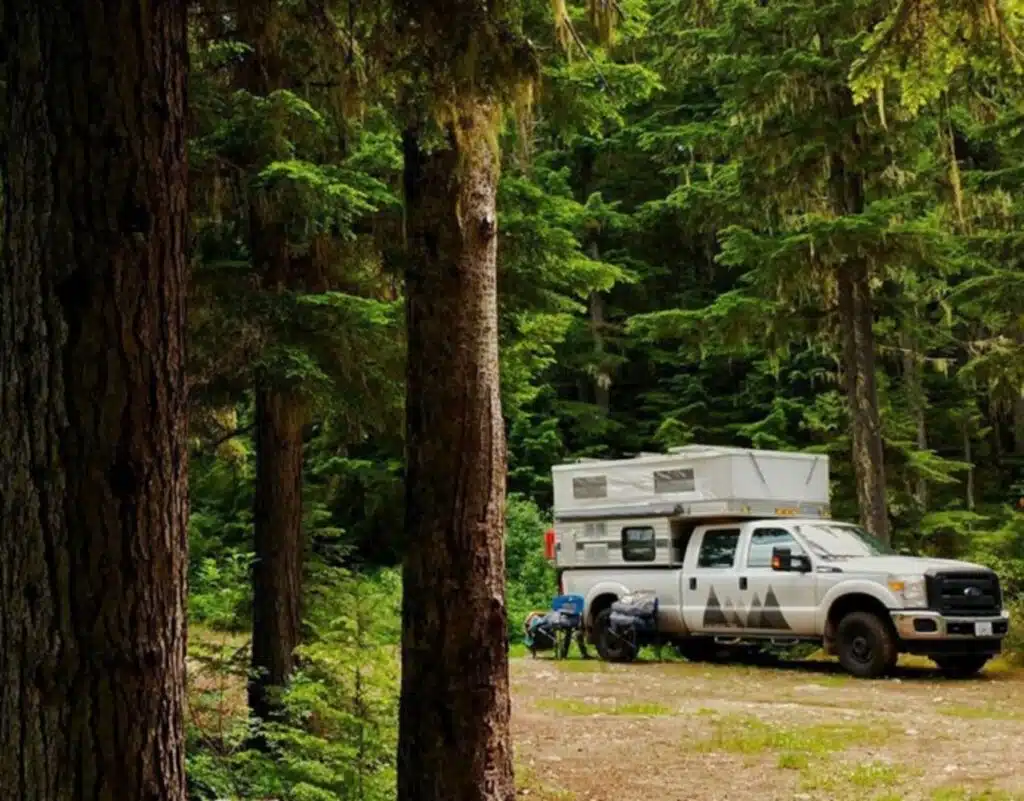
Enjoy life on the road
34. Don’t think you will move daily on your journey. Sometimes there will be a need to stay still for various reasons. Therefore you will need to be as independent as possible (this concept applies to many issues, including energy, drinking water, and the bathroom). These are the typical situations where outfitting the vehicle makes the difference between living days as a “homeless” person and being free to spend beautiful days full of fun and exploring the local area.
35. Exercise! We increasingly realize this is important—swimming, Hiking, Yoga, and Fitness Classes. Anything is healthy for the body, as living in confined spaces for a long time can become a problem for the body.
36. This concept comes somewhat from our experience of motorcycle travel. Try to listen to road noises when you drive, and sure it’s nice to listen to music. However, it’s also nice to start thinking while travelling.
37. Document your travels. At first, you will think that you can do everything when you get home. However, this is rarely the case, and it would be different anyway. Keep a record of the places you visit. If you don’t like writing, you can also mark a route on the map, buy postcards, take photographs and “tag” them on social media, or write notes on your mobile phone. In short, do it. You will be happy.
38. We make many friends on the road for ourselves, but that’s subjective. We’ve met people much closer than us, some around for years but with dating experiences that can be counted on the fingers of one hand. Everyone experiences the journey in their way. However, it’s easy to start feeling lonely after months of travelling, so if you can keep close ties with friends, reach out to them, and try to visit people.
39. Traveling as a couple, it is essential to keep your own space. Remember to consider this aspect if you are preparing for a long-term trip. Again, the vehicle can make a slight difference.
40. Set goals. Whether you want to start a working life as a Fulltimer or, more simply, you are temporarily detaching from work, try to take advantage of the moment as it is excellent for understanding what you want from life.
Travel safety
41. Always keep your documents in order and make copies. Try to respect the highway code in a subordinate way. Especially in certain countries, it is good to avoid becoming an easy target for police officers. Avoid being too flashy and using icons or badges on your vehicle, which can be misinterpreted.
42. Keep your vehicle tidy. To travel, you must be self-sufficient; therefore, the last thing you must try to do is get stuck due to simple negligence.
43. Always make sure someone knows where you are. Social media is a great way to let people know where you are. That way, your loved ones will be more relaxed too.
44. Don’t forget to bring a first aid kit and an easily accessible fire extinguisher.
45. If you have to park in the rest areas near a big city, be careful. If you have no alternative, try not to be seen around too much before going to sleep. For example, if your vehicle is not self-sufficient and you have to use a public toilet, you should use the one in a service area and then move to the area where you want to park for the night without going out. In these cases, follow your instincts. If you don’t like a place, leave.
46. If you are about to face a long journey, consider different situations, even the most unexpected ones. For example, bring snow chains with you. Maybe you will never use them, but who knows; instead, they could save you from an unpleasant situation (not to mention that, at worst, you can also use the chains to try to get out of the mud).
47. Never travel without enough water, food and warm clothing to get through a few nights. If you have trouble in a remote area, you may be stranded without help. In cases like this, having something to eat and drink is good to get through the night. Remember that thinking calmly in a problematic situation is much easier when you know you have food, water, and warmth.
- Bring a good hydraulic jack with you, preferably two. The vans are heavy, and you are seldom comfortable when you get a puncture. When you find yourself in a tight spot, you don’t want to have left out details like safety and tools. Also, bring signalling tools, wedges, wooden planks to thicken the jack and a suitable spanner (avoid the X-shaped ones welded in the centre, they are very dangerous).

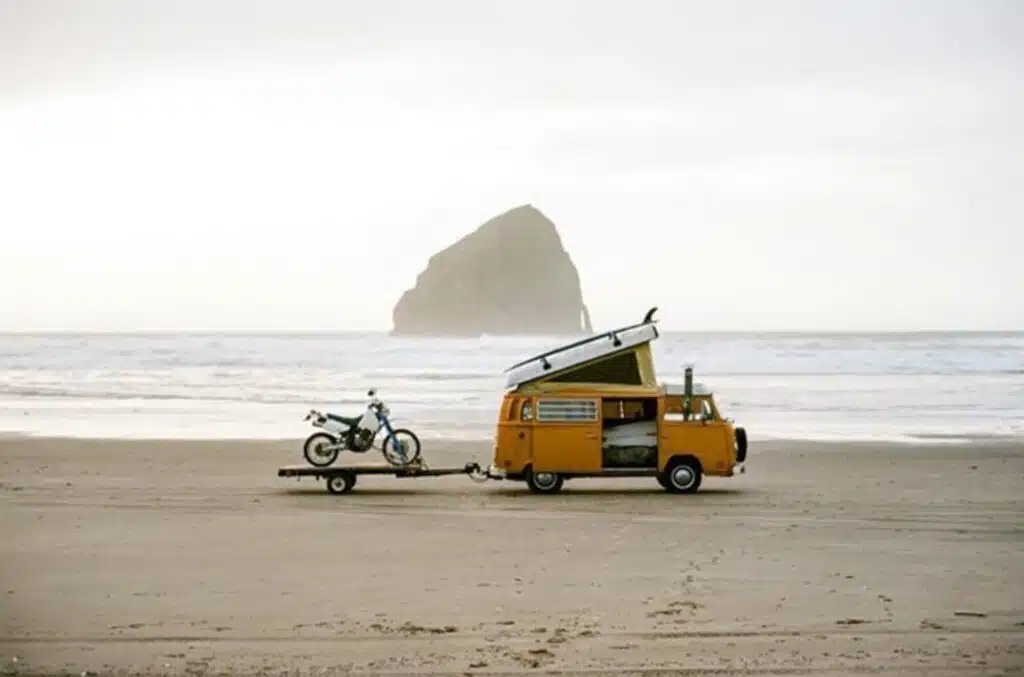
49. Carry extra engine oil, radiator fluid, and jumper cables. Bring spare light bulbs, duct tape, wire, and other hardware for emergency repairs.
50. Remember to always keep cash with you when traveling in remote areas. One of the best ways to avoid getting stuck somewhere is to make sure you have enough money to pay someone to help you. Not all over the world do they accept credit cards, least of all a truck driver whom you, please ask to tow you for tens of kilometres.