
There are some instances when you really need a mechanic and moments where you can DIY your fixes. Knowing when to call the shop is important for the overall health of your vehicle though. Advanced technology in cars today often requires specialty tools to work on. However, there are some issues that you’ll only need basic knowledge and the right equipment to fix. So, what are some examples of when you need to call a mechanic and when you can just do it yourself? Here are five times you can DIY and five times you definitely shouldn’t.
1. You Need a Mechanic: Check Engine Light Won’t Turn Off


Anytime your check engine light comes on, it could be a number of issues. You might just have a loose gas cap or your engine could be malfunctioning. What you shouldn’t do is ignore the light. Doing this can (and likely will) lead to further damage. Mechanics have the diagnostic tools to be able to tell you exactly what’s wrong. If you’ve checked some of the more simple problems a check engine light can indicate, it’s time to take your vehicle to the shop. They can accurately assess whether it’s a sensor issue or something more critical. Attempting to fix it without proper diagnostic tools could lead to more damage.
2. You Don’t Need a Mechanic: Changing Your Oil

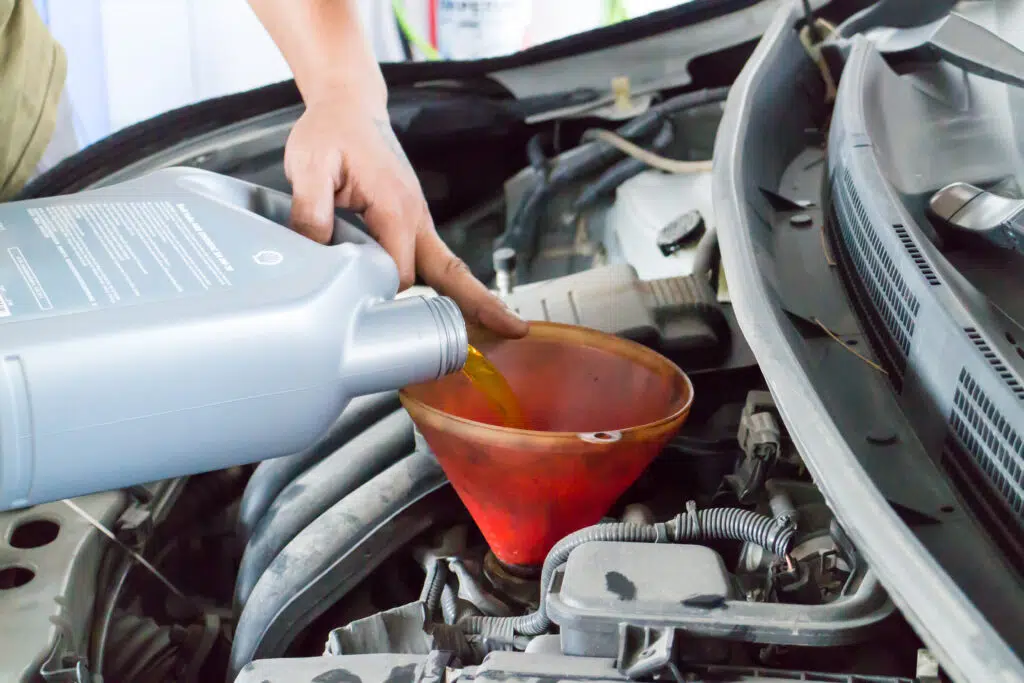
Just about everyone can change the oil on their car. It is one of the easiest things you can DIY and you don’t typically need any special tools, though this depends on your car. Usually, you’ll just need an oil filter wrench and the correct oil for your car. Performing this simple task on your own can save you some money and you can learn more about your vehicle. It’s important to get rid of the old oil properly by bringing it to an authorized facility though.
3. You Need a Mechanic: Transmission Issues


Any problems you are having with your transmission need to be addressed by a professional. You might notice that your car is slipping between gears or you might hear strange noises when you’re shifting. Whatever the case may be, go to the shop! Trying to fix these problems on your own could lead to irreparable damage.
4. You Don’t Need a Mechanic: Replacing Windshield Wipers


Windshield wipers are important to your car’s overall safety, but replacing them is easy and inexpensive. It isn’t worth a trip to see your mechanic. You can buy wipers at most auto parts stores and most will come with instructions on how to replace them. There’s no need to pay a mechanic for such a simple job.
5. You Need a Mechanic: Brake Issues

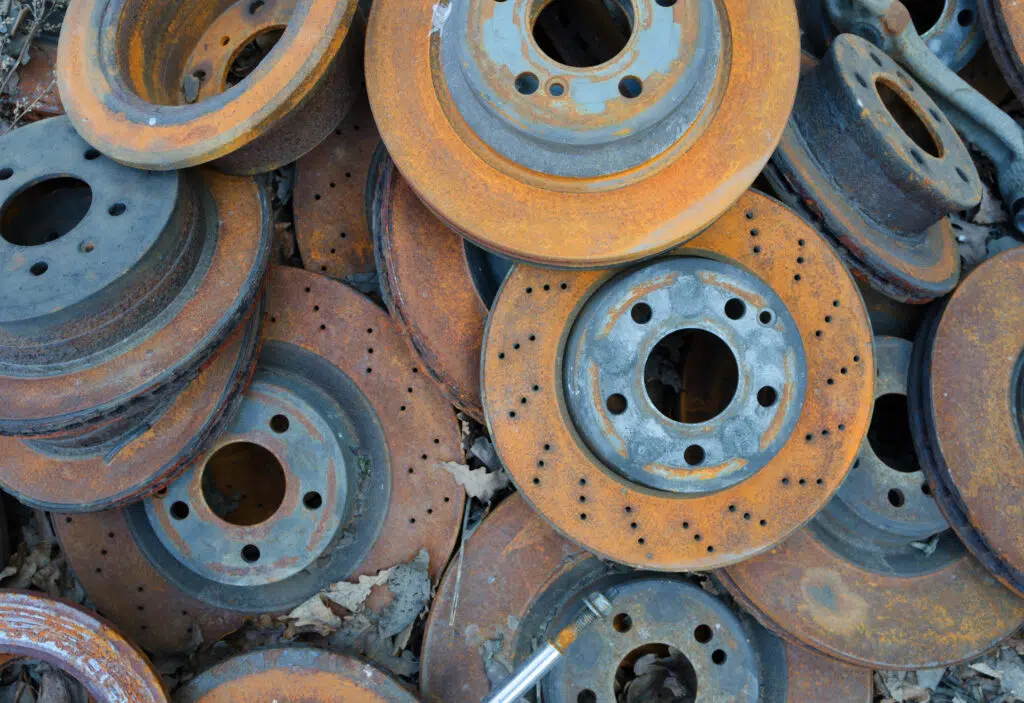
Brakes are also essential to your vehicle’s safety. When you start to have brake problems, you shouldn’t take any chances. Take the car to the shop and have the brakes looked at by your mechanic. They’ll be able to determine if your vehicle needs new brake pads, rotors, or something more in-depth. A qualified mechanic can diagnose and fix brake problems to ensure your safety on the road.
6. You Don’t Need a Mechanic: Replacing a Flat Tire

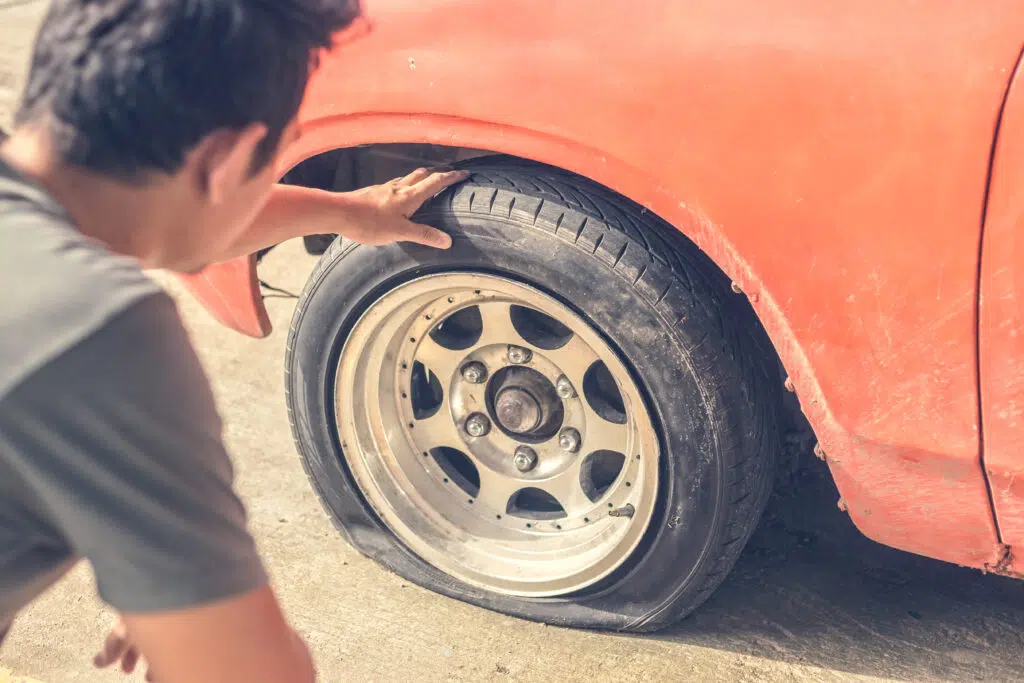
Discovering you have a flat tire can be a major inconvenience, but it doesn’t always require a trip to the shop. Replacing a flat is a fairly simple process that anyone can do. Every car should come with a jack, spare tire, and lug wrench. That’s everything you’ll need to do the job. Thanks to YouTube, there are plenty of tutorials out there to help too. Just make sure you know where these tools are stored in your car before you hit the road.
7. You Need a Mechanic: Electrical System Failures

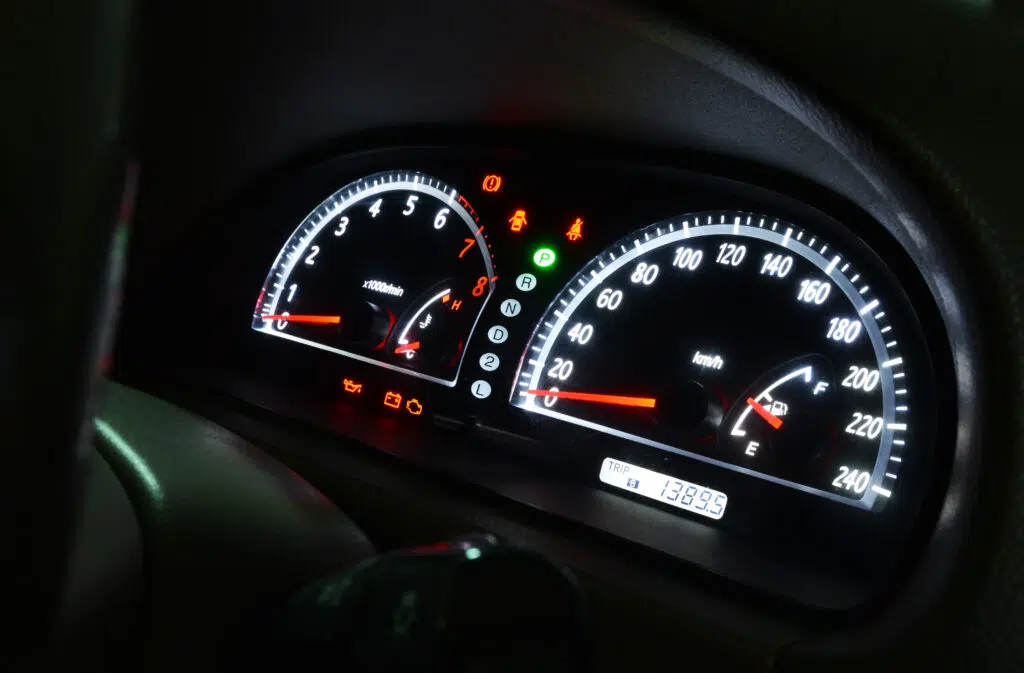
It’s not a great idea to start messing around with your car’s electrical system. If you are experiencing electrical issues like flickering lights or problems with your battery, you should talk to a mechanic. More modern cars require diagnostic tools to figure out what’s going on. Trying to figure out what’s going on without professional help can not only be frustrating but it can also be potentially dangerous. Don’t take risks with the wiring and electrical parts of your vehicle, call a mechanic.
8. You Don’t Need a Mechanic: Replacing Headlights or Taillights


Like replacing windshield wipers and changing a flat, replacing burned-out headlights or taillights is fairly straightforward. Replacement bulbs are available at most auto parts stores and many cars make it easy to access the bulbs without needing any tools. Rather than bringing it to the shop and waiting, you can get it done yourself in under 15 minutes. Just remember to check your owner’s manual for the correct bulb type, and follow the instructions for replacing it.
9. You Need a Mechanic: Suspension Problems

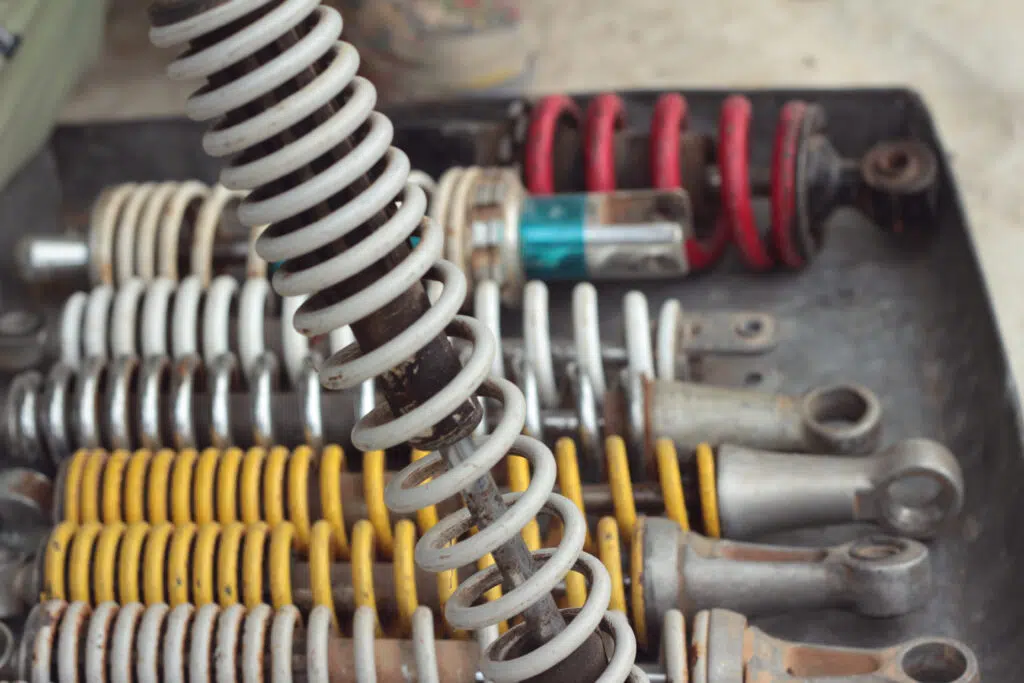
Suspension problems aren’t anything to play with. While it might seem like it’s just impacting the ride of your vehicle, it also plays a role in your overall safety. A mechanic can inspect your suspension system, which includes shocks, struts, and other components, to determine what needs repair. These fixes often require specialized mechanics tools that you wouldn’t have at home, plus the knowledge of how to fix it properly. Neglecting suspension problems can lead to more significant issues down the road, including tire damage and unsafe driving conditions.
10. You Don’t Need a Mechanic: Replacing Cabin Air Filters

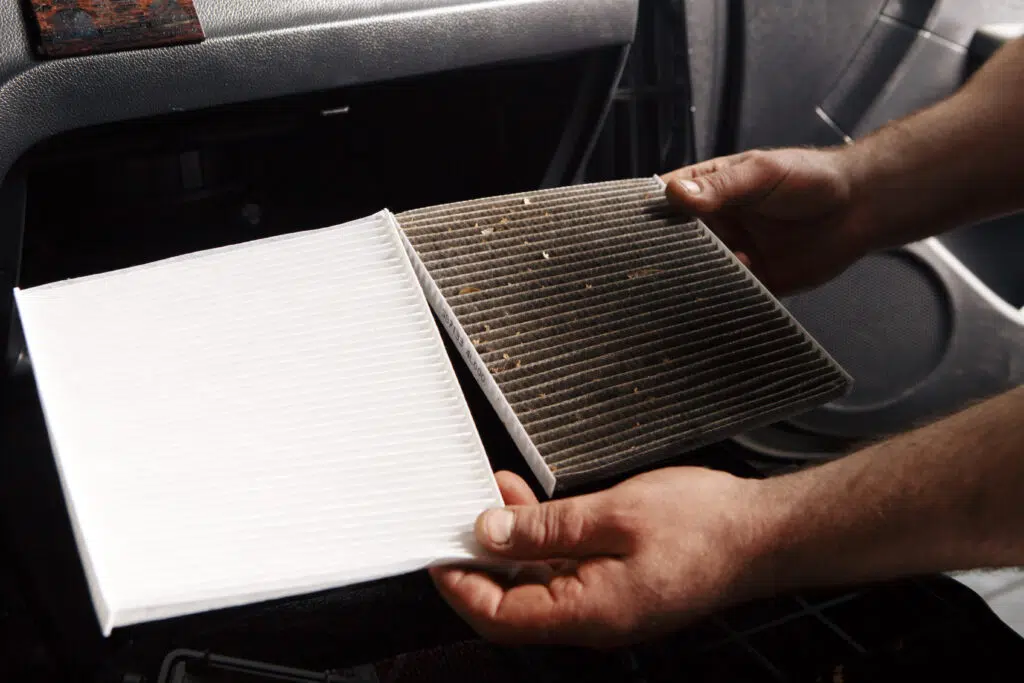
Replacing the air filters in your car is an easy thing to do and it can improve the air quality inside your vehicle. The cabin air filter often traps dust, pollen, and other particles. Eventually, this leads them to become clogged. You’ll probably find the cabin filter behind the glove box in your car. It’s easy to access and you can purchase replacement filters at the parts store. The entire thing will typically take less than 10 minutes. Doing this simple task yourself can save you money on labor costs at the shop.
Know When to DIY and When to Call a Pro


Knowing the difference between an easy DIY repair and a problem that needs to be addressed by a certified mechanic is important for your car’s longevity. There are certainly things you can manage at home, but more complex problems require a mechanic’s expertise. By learning when you need a mechanic and when you don’t, you can avoid unnecessary costs. Embrace the simple fixes when you can, but don’t hesitate to call in a pro when the job demands it.