
Being stuck in traffic brings out the worst in some people. While most find ways to lose steam, some let it get to their heads. When that happens, they may look for ways to vent their anger.
The venting part is done by someone else, usually another driver who shares the road.

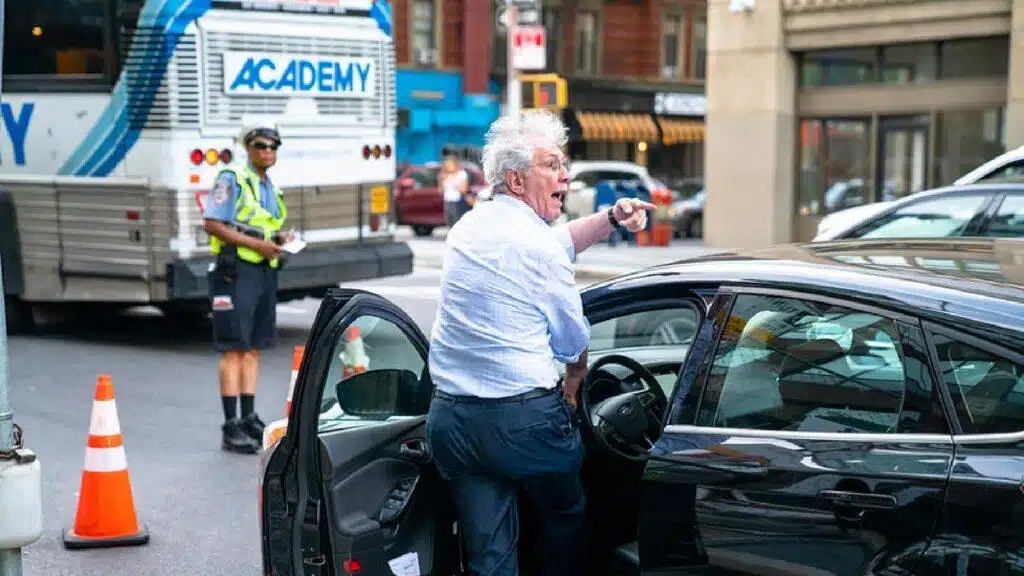
Apart from being stuck in traffic, the following are some of the common causes of road rage:
- Impatience: Being part of bumper-to-bumper traffic is a horrible experience. The situation gets worse if they are running late for an appointment.
- Anonymity: Some drivers get a strange sense of authority over the fact that they are one among many on the road. This makes them behave in a rash manner, assuming that they will never meet the victim again.
- Alcohol or Substance Abuse: Abuse of alcohol or illegal drugs interferes with behavior and decision-making abilities. A driver who’s intoxicated is more likely to engage in aggressive behavior.
As sad as it sounds, it will be beneficial for the average American driver to know the signs of road rage. Knowledge will help you handle angry drivers and make sure you don’t suffer any serious injuries.
1. Excessive Honking
Angry drivers are loud and are not shy. They’ll let everyone around them know that they are angry. One way of expressing anger is to honk.
They’ll keep smashing the horn as if their lives depend on it.
If you’re stuck in traffic and a driver behind you is honking continuously, you may be dealing with an angry driver.
2. Reckless Driving
Drivers who exhibit road rage care less for those around them. This is the reason why they pick on other motorists.
Some of the more extreme cases involve reckless driving. They weave through traffic with blatant disregard for lane discipline and the safety of other motorists.
3. Tailgating
Angry drivers often target the motorist who’s the reason behind their anger and try to annoy them. In addition to honking, another way to do this is by following the driver closely.
The angry driver will stay behind the target, even if there’s room for the angry driver to pass. Some even honk continuously while following the target.
4. Rudeness
Some angry drivers would rather express their anger and move on than follow the target. Such drivers usually go out of their way to yell or cuss at the target.
Some angry drivers may also make rude gestures at the target to express their annoyance.


5. Brake Checks
This only occurs when the angry driver is in front of the target. The driver will step on the brakes suddenly from time to time. They do this with the intention of making the target crash into them.
If the target driver ends up crashing, the angry driver may step out of their vehicle and approach the target with the intention of causing harm.
What to Do When Confronting an Angry Driver
Although road rage is more prevalent in traffic holdups, drivers may exhibit aggressive behavior on roads without traffic as well. Keep the following tips in mind if you ever find yourself in such situations:
- Do not respond to the angry driver. Responding only encourages them to continue annoying you
- Don’t honk at them
- Avoid making eye contact. They’re looking for ways to initiate fights, and eye contact only triggers them
- Don’t get out of the vehicle. Avoid rolling down your windows as well. The last thing you need is a physical confrontation with an angry driver
Final Thoughts
Road rage is one of those events that has the potential to turn deadly.
If an angry driver causes an injury or damages your car, reach out to a lawyer.
They have the expertise and experience to prove the at-fault party’s role in your condition and make sure you receive fair compensation.