
In-ground fibreglass pool is an investment that adds value and luxury to your property.
However, like all things, it requires regular care, including occasional repairs.
Being able to identify the signs that your fibreglass pool needs some repairing can help enhance its longevity and avoid more significant problems down the line.
Let’s look at five common signs that may suggest it’s time for some fibreglass pool repairs.

1. Stains and Discolouration
Why it’s a Problem
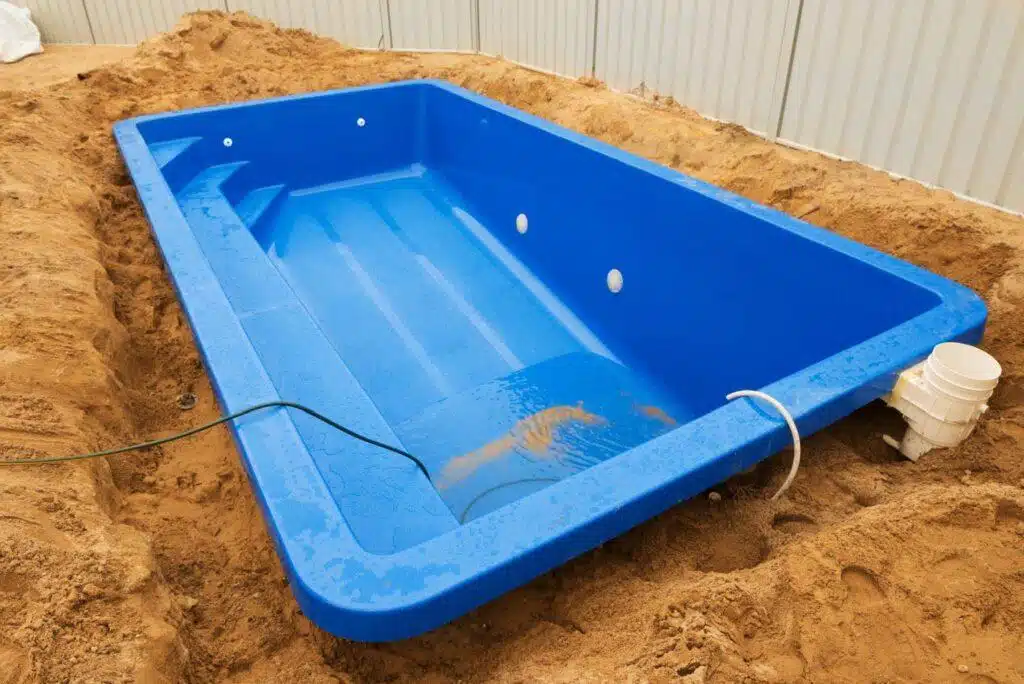
Often, fibreglass pools develop stains or discolouration. Stains could appear due to a variety of factors, including algae infestations, mould growth, or the effects of chemical imbalances in the pool water. If dealt with swiftly, these issues don’t generally signal severe problems.
However, if neglected, they can cause further damage to the pool surface and require more costly repair.
How to Maintain
Regularly monitor your pool for any signs of stains or discoloration. This practice will help you catch any potentially problematic issues early on.
Pool owners can handle some slight staining with appropriate cleaning products. Nonetheless, more severe or stubborn stains may necessitate a professional fibreglass pool repair service.
2. Cracks and Damage
Why It’s a Problem
If you notice cracks or visible damage on the fibreglass surface, it’s clear that repair is needed.
Minor cracks might not seem concerning at first but can quickly escalate into more significant issues if left unattended. Small cracks can lead to leaks, loss of pool water and potentially compromise the structural integrity of the pool.
How To Maintain
Regular inspection of the pool’s surface can help identify any small cracks or damage early on. If detected in their early stages, cracks can often be repaired rather easily.
In situations where the damage is more extensive, it might be necessary to seek help from a professional service that specialises in fibreglass pool repairs.
3. Bulges or Bubbles on Pool Surface
Why It’s a Problem
Bulges or bubbles on your pool’s surface may signal serious issues underneath. This could suggest a delaminating fibreglass layer, where the gel coat separates from the fibreglass mat.
If not acted upon promptly, it can lead to more severe damage, including cracks, leaks and potential structural damage.
How to Maintain
If you see bulging or bubbling on the surface of your fibreglass pool, it’s time to reach out to a professional swimming pool repair service. Attempting to manage this issue yourself may exacerbate the situation.
4. Roughness on the Pool Surface
Why It’s a Problem
Over time, the surface of a fibreglass pool can become rough to touch due to erosion or damage. This roughness can be uncomfortable for swimmers, and it could lead to a higher risk of injury, especially for children.
It also points towards deterioration of the pool’s structure that might impact its waterproofing abilities and structural integrity.
How to Maintain
If you start feeling an unusual roughness on the pool surface, it is advisable to consult a professional pool repair service immediately.
Resurfacing the pool may be recommended to restore it back to its smooth, shiny finish, thus safeguarding the durability and longevity of your fibreglass pool.
5. Change in Pool Water Level
Why It’s a Problem
If you notice a consistent reduction in the water level of your fibreglass pool, beyond what you would expect from evaporation or normal usage, there could be a leak.
Pool leaks can be caused by cracks, gaps in the plumbing, or structural degeneration, and can lead to water wastage, increased utility bills and potential damage to surrounding structures.
How to Maintain
Maintaining a regular check on the water level of your pool can help identify leaks early on.
A simple yet effective method is the bucket test, where you place a bucket of water on the pool step and mark the water level; after a few days, the water levels in the pool and the bucket should have changed proportionately.
If the pool’s water level drops more than the bucket’s, it might indicate a potential leak. In such cases, it’s essential to contact a professional service specialising in fibreglass pool repairs promptly.
Maintaining Your Fibreglass Pool: Additional Tips
After understanding the signs it’s time for some fibreglass pool repairs and ways to handle the situation, let’s explore some additional tips to help keep your pool in top shape.
Regular Cleaning
Cleaning your pool regularly can improve its appearance and avoid potential issues such as algae accumulation or staining. It also allows for early detection of any cracks, bulges or rough patches on the fibreglass surface.
Regular pH and Chemical Testing
Having a good balance of chemicals in your pool not only ensures clean and safe water for swimming but also protects the fibreglass surface from accelerated deterioration. To maintain the right balance, conduct routine pH and chemical tests.
Seasonal Maintenance
Different seasons of the year can affect your pool in various ways. For example, during winters, pools may need to be winterized to prevent freeze damage. On the other hand, summer could entail extra sanitizing due to increased usage.
Ensuring the right seasonal maintenance practices are followed will help maintain your fibreglass pool’s health year-round.
Utilize Pool Covers
Using a good quality pool cover when the pool is not in use can greatly reduce exposure to the elements, prevent debris accumulation, and reduce evaporation – helping to maintain the pool water level and cleanliness.
When to Consider Full Pool Resurfacing
Despite regular maintenance and minor repairs, your fibreglass pool may eventually require full resurfacing.
This is typically necessary when it exhibits widespread staining, surface deterioration, or structural issues that can’t be addressed by simple repairs. Professional resurfacing could return your pool to its original lustre and ensure its ongoing structural integrity.
Balancing DIY and Professional Help
Balancing DIY maintenance and professional assistance is essential for pool care.
While certain minor issues like small stains and regular cleaning can be handled by the pool owner, more serious issues should be addressed by experienced professionals on fibreglass pool repairs.
In conclusion, it’s important to watch for signs of necessary fibreglass pool repairs, maintain it properly, and seek professional help when needed.
This will make your pool maintain its appeal, value, and serviceability for years to come.